PROJECT
+
+
ABOUT
Artificial Prototypes is a collection of digital design explorations born from curiosity and experimentation in 3D space - a series of concept studies focused on refining my creative process in advanced sportswear design, patternmaking, and 3D visualization. It’s a search for balance and emotion within digital chaos, where exp-erimentation transforms into a personal design language shaped by form, rhythm, and atmosphere.
Artificial Prototypes is a collection of digital design explorations born from curiosity and experimentation in 3D space - a series of concept studies focused on refining my creative process in advanced sportswear design, patternmaking, and 3D visualization. It’s a search for balance and emotion within digital chaos, where exp-erimentation transforms into a personal design language shaped by form, rhythm, and atmosphere.
+
Creative Direction
Creative Direction
Product Design
Product Design
3D Creation & Visualization
3D Creation & Visualization
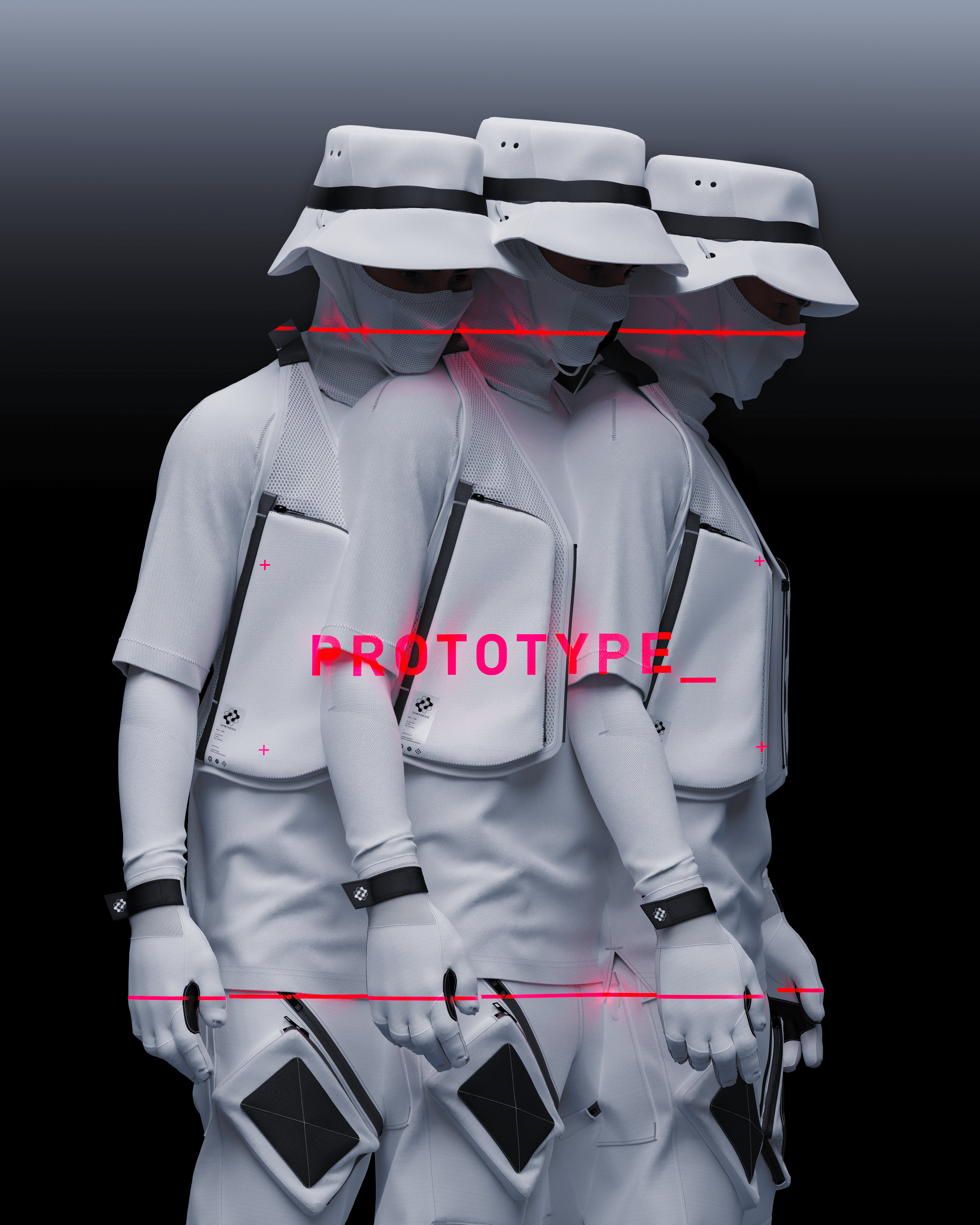
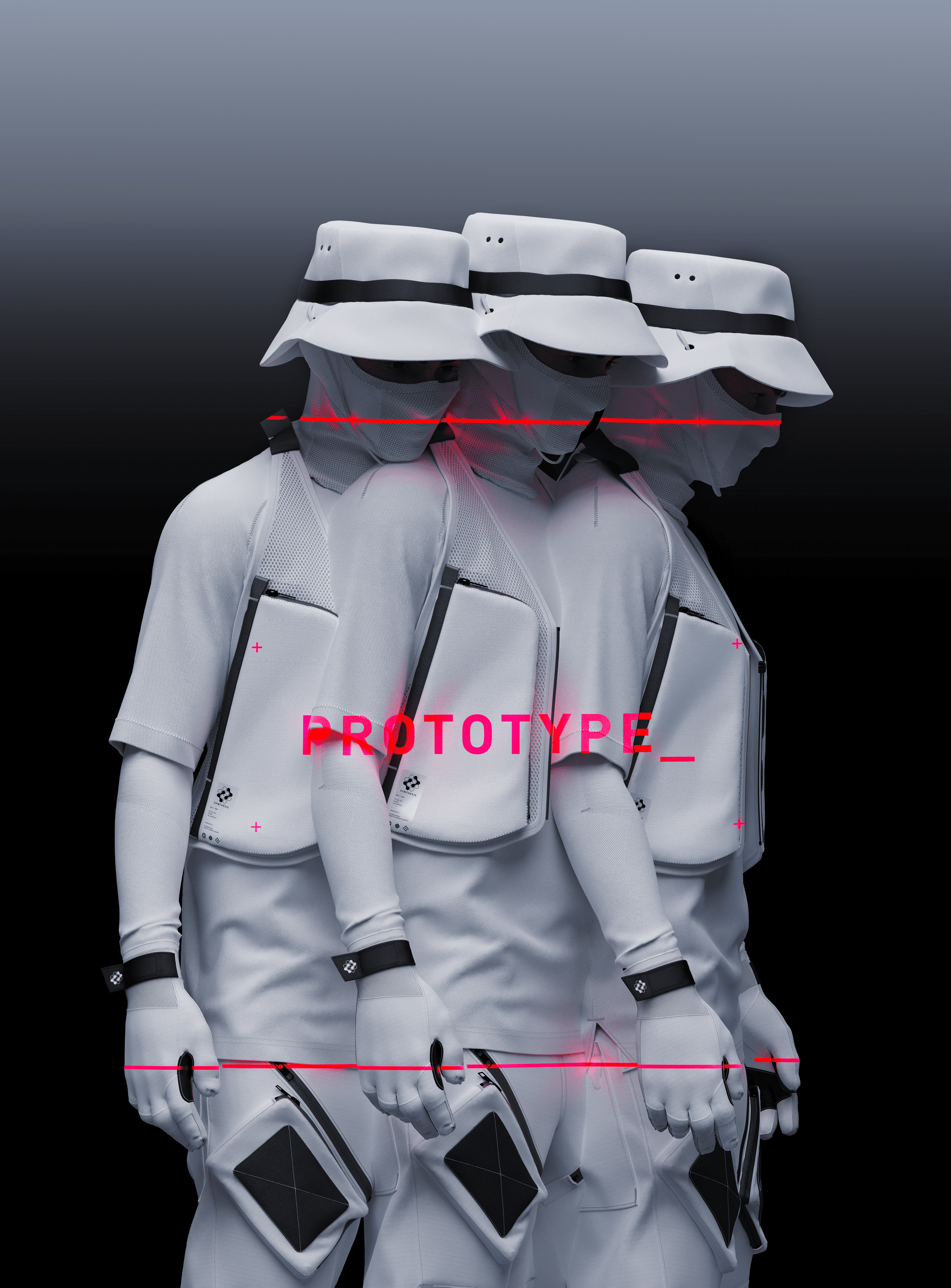
01 - INTRO
01 - INTRO
+
+
My passion for design has always been driven by curiosity - the need to understand how things are created, how they function, and how they make us feel. For me, design is not only about the final outcome, but about the process itself - the rhythm of lines, the harmony of forms, the balance between emotion and logic.
Over the years, I’ve realized that every experiment, every failure, and every small discovery becomes a building block of my creative identity. I see design as a constant study - a search for new possibilities that often happen at the edge between the known and the unknown. That’s why I follow a simple principle: one foot in order, one foot in chaos.
Working in the digital space gives me the freedom to explore this tension endlessly. When nothing is real, everything becomes possible - and that’s where design feels most alive. Whether I’m shaping garments, footwear, or 3D concepts, I approach each project as an opportunity to learn, to refine, and to push imagination just a little further.
My passion for design has always been driven by curiosity - the need to understand how things are created, how they function, and how they make us feel. For me, design is not only about the final outcome, but about the process itself - the rhythm of lines, the harmony of forms, the balance between emotion and logic.
Over the years, I’ve realized that every experiment, every failure, and every small discovery becomes a building block of my creative identity. I see design as a constant study - a search for new possibilities that often happen at the edge between the known and the unknown. That’s why I follow a simple principle: one foot in order, one foot in chaos.
Working in the digital space gives me the freedom to explore this tension endlessly. When nothing is real, everything becomes possible - and that’s where design feels most alive. Whether I’m shaping garments, footwear, or 3D concepts, I approach each project as an opportunity to learn, to refine, and to push imagination just a little further.
+
+
+
+
+
+
02
+
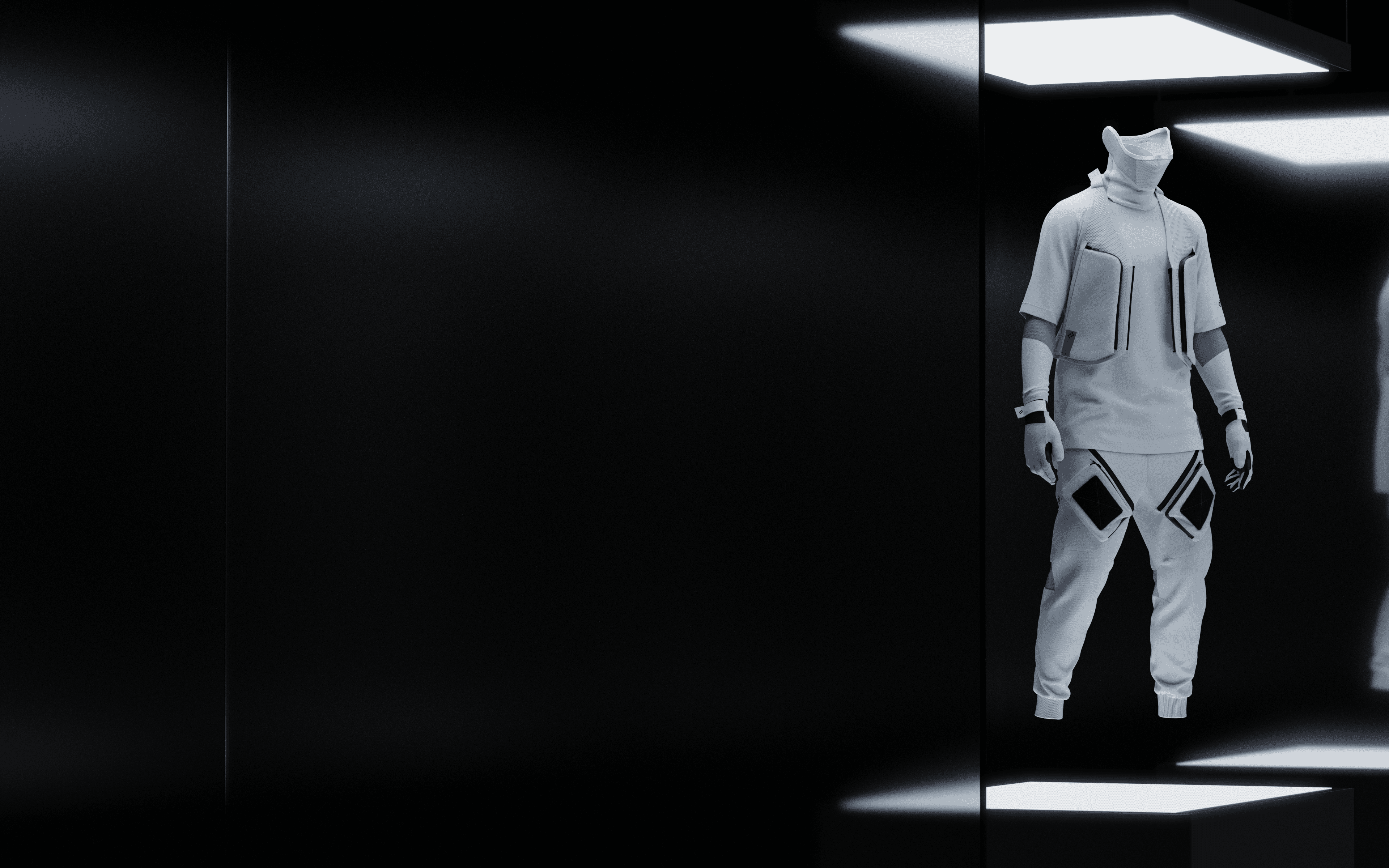
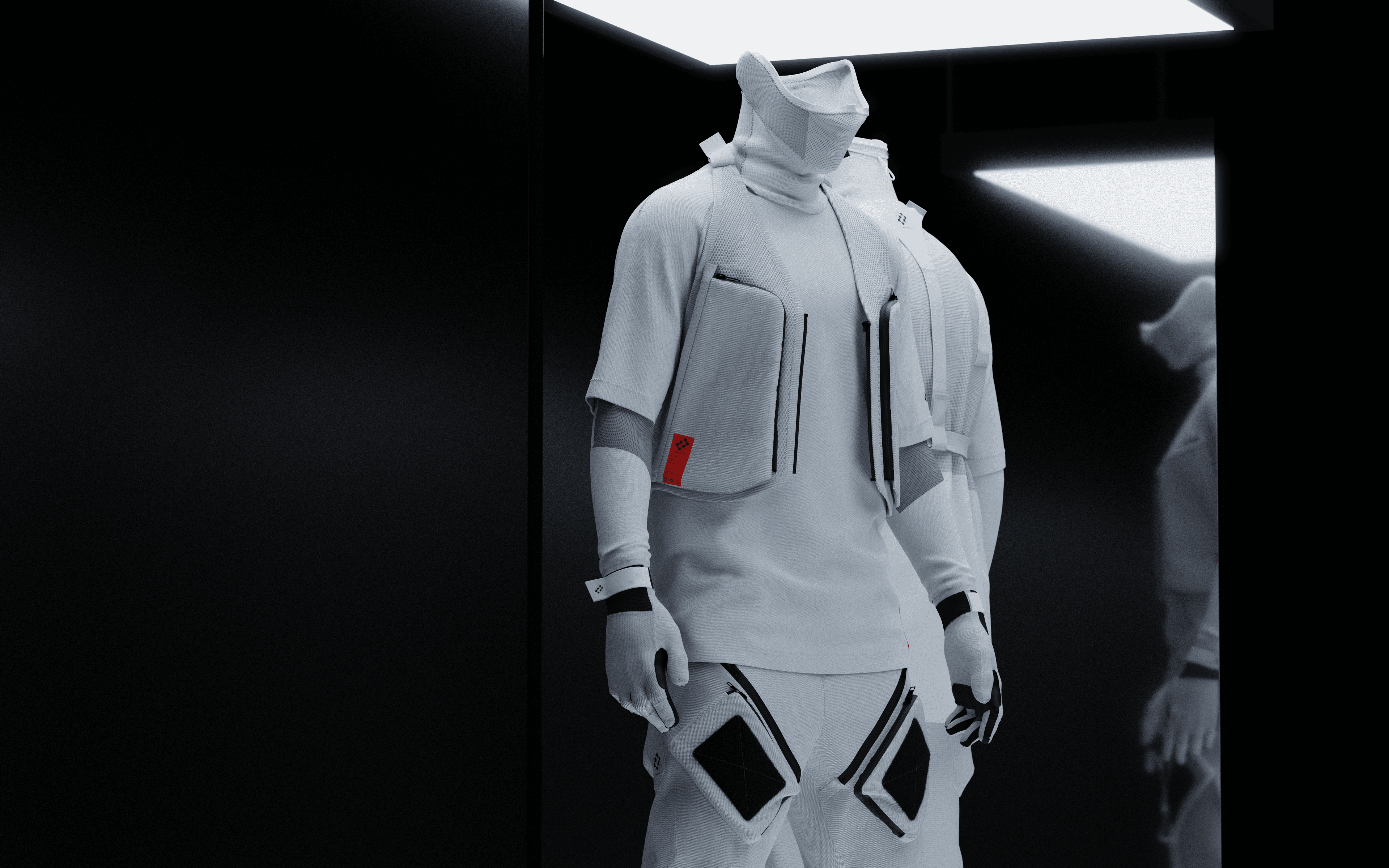
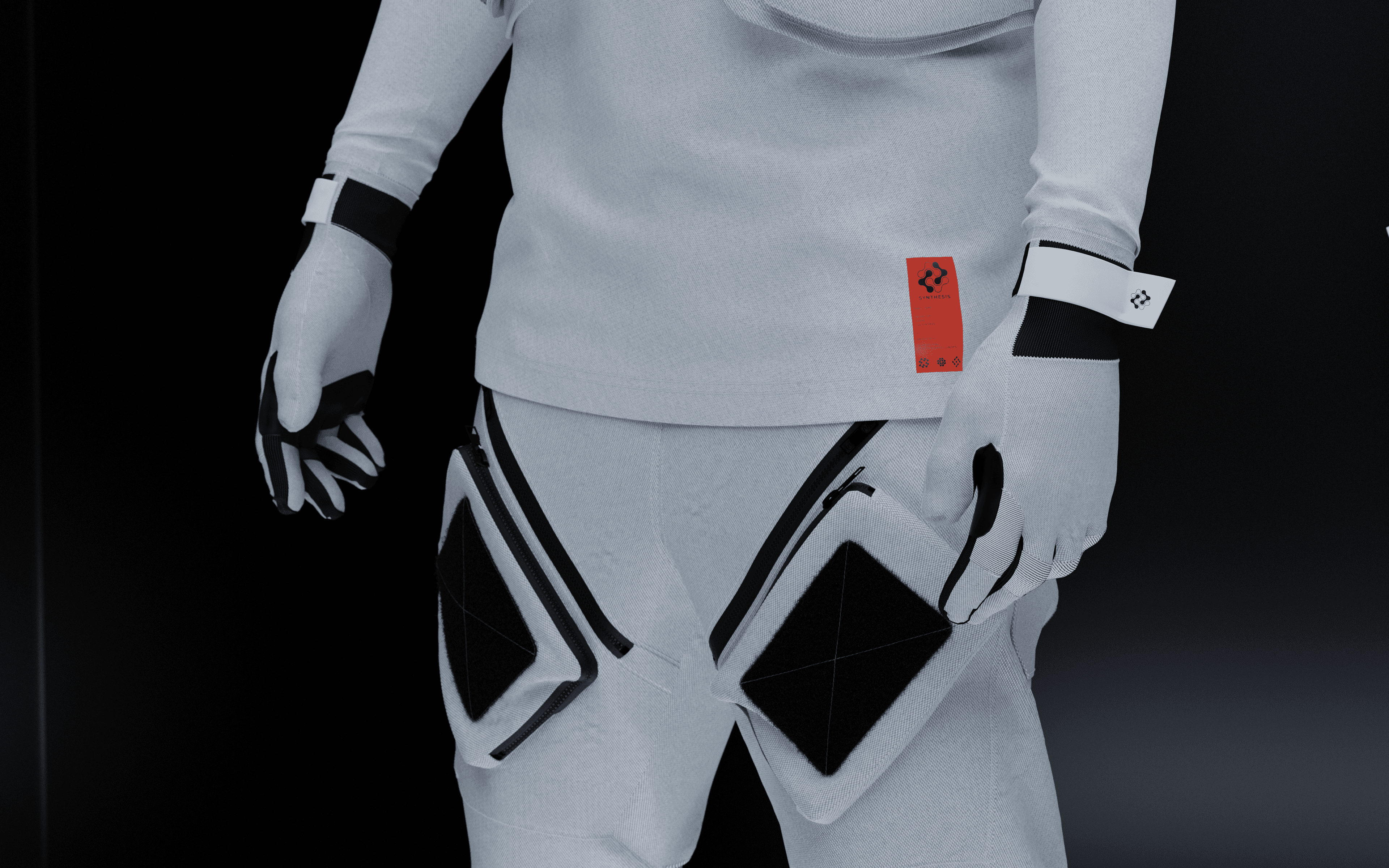
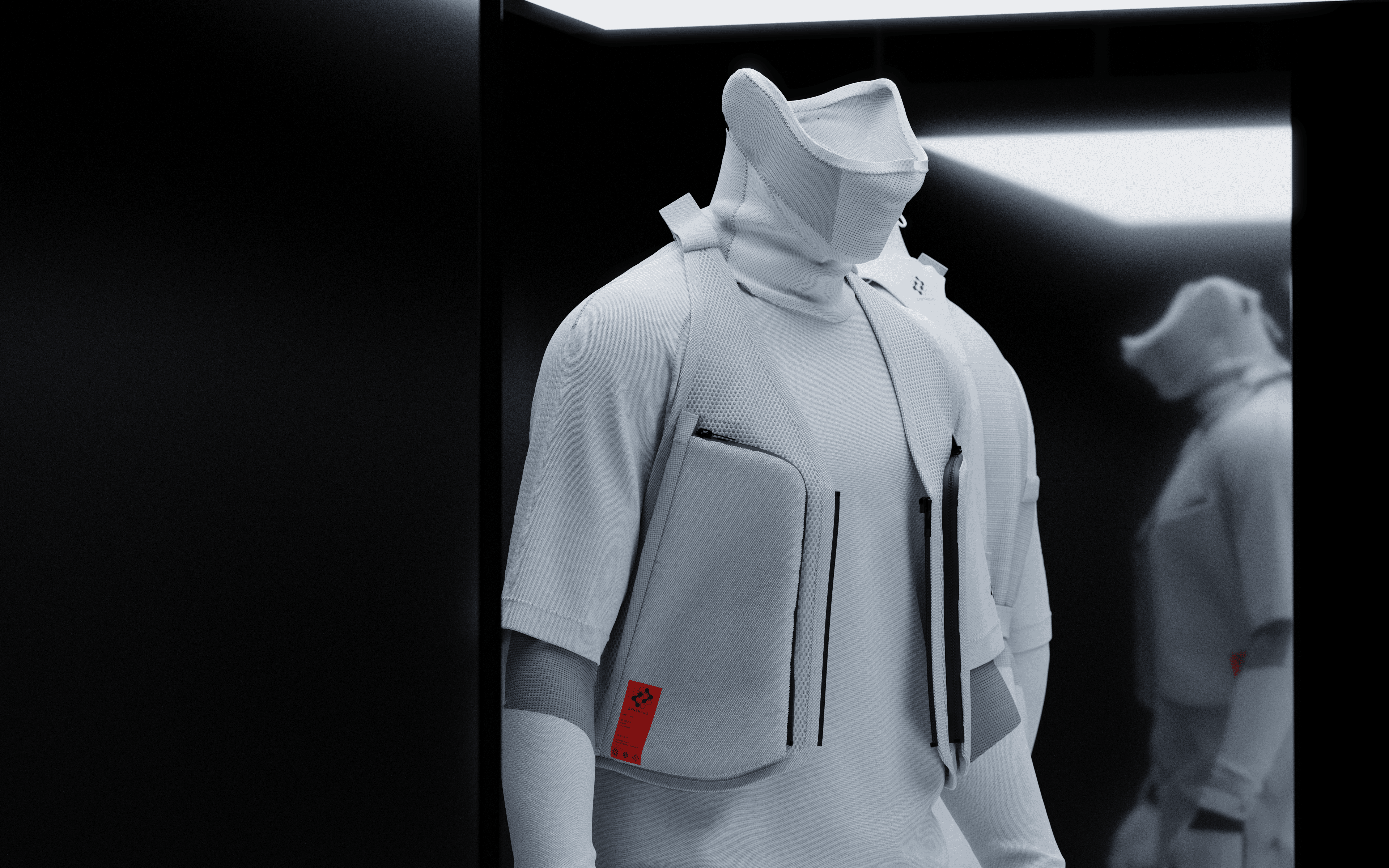
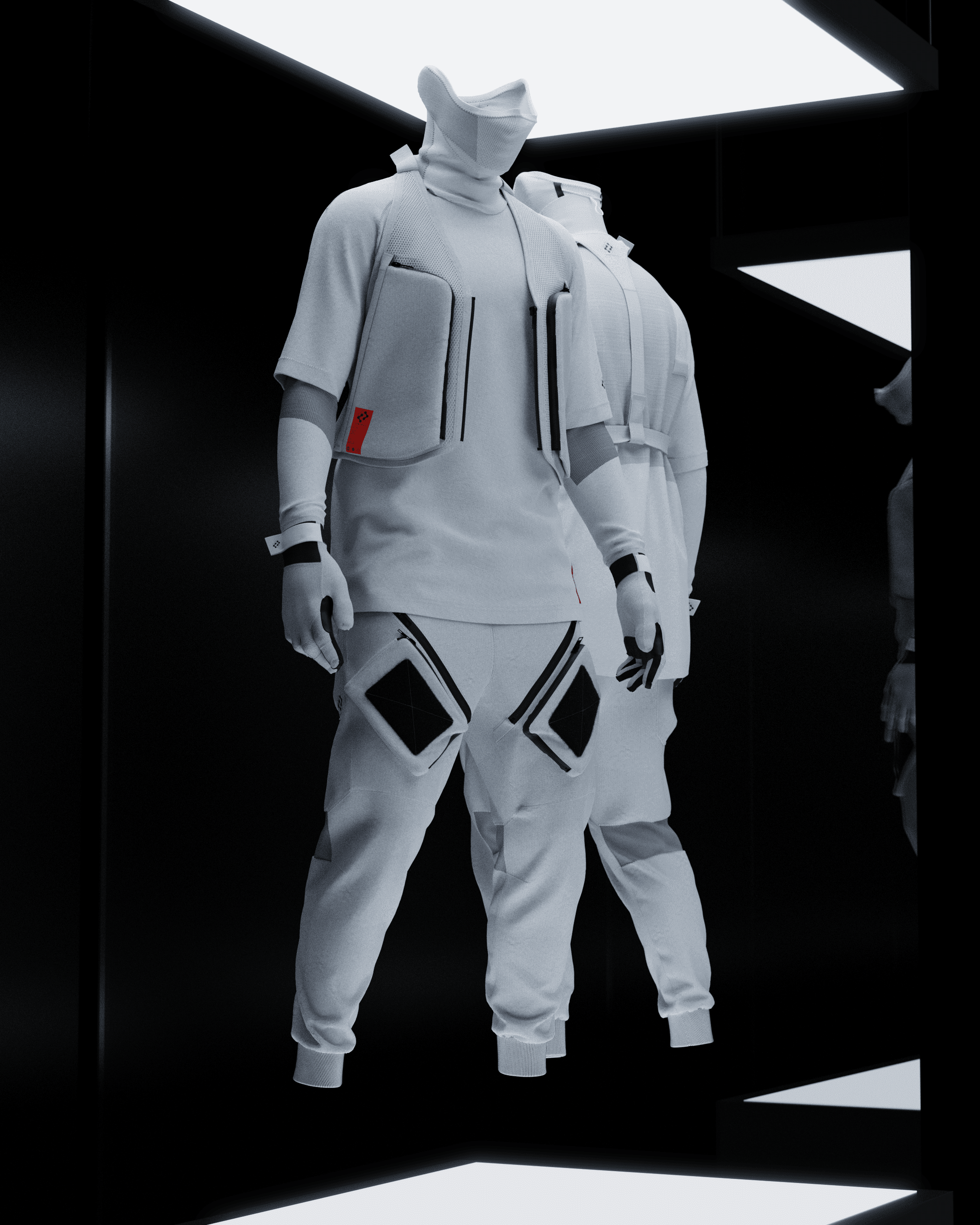
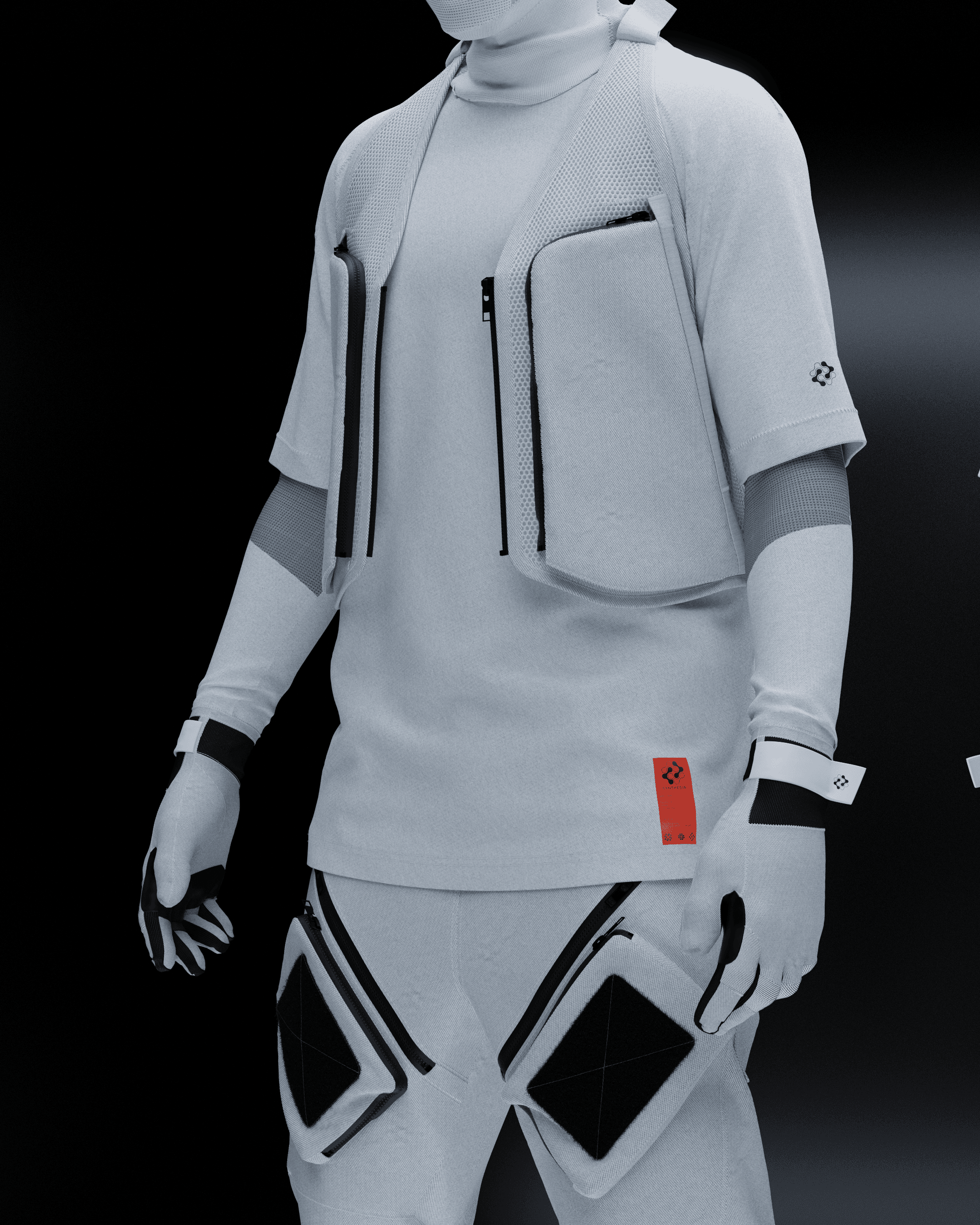
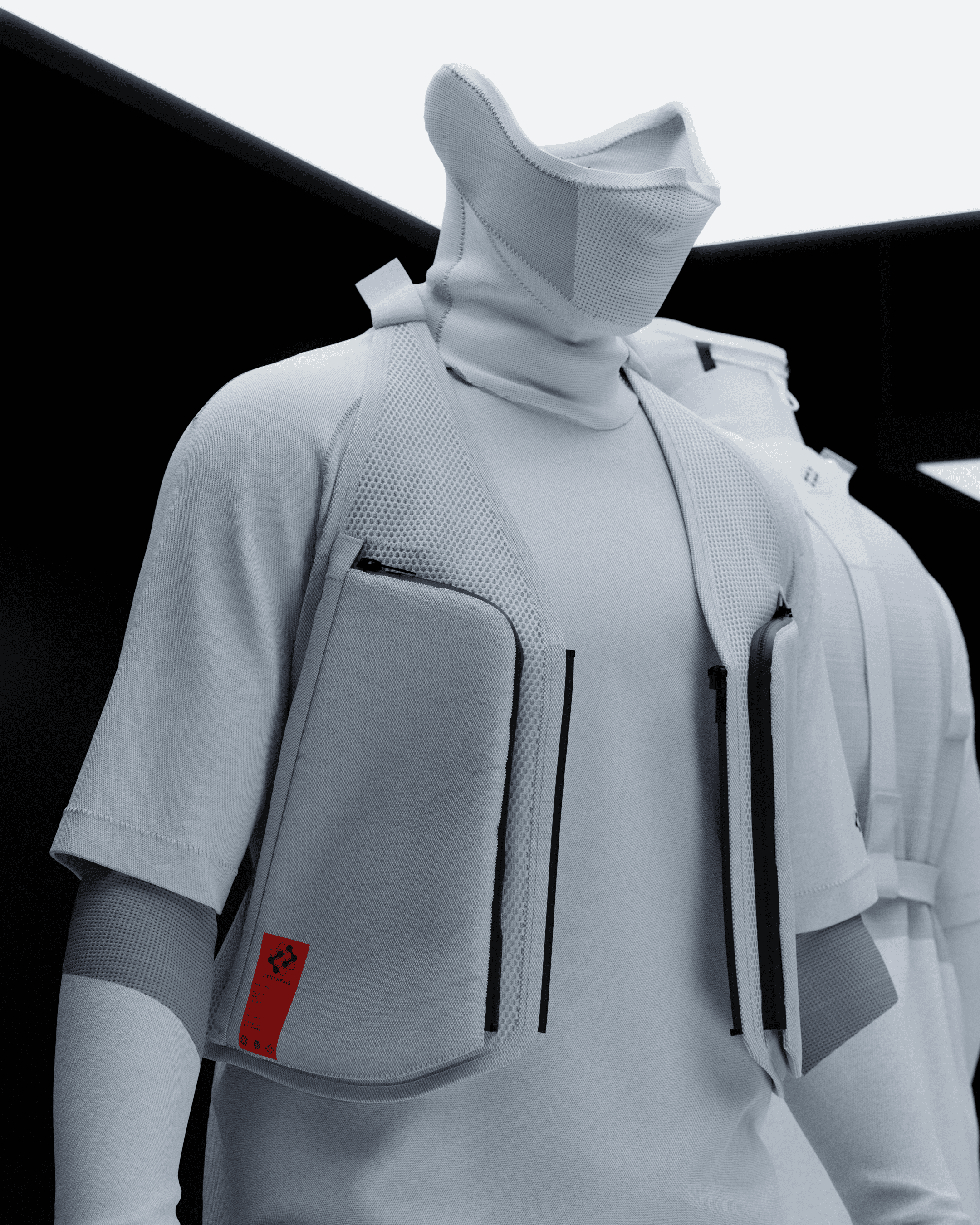
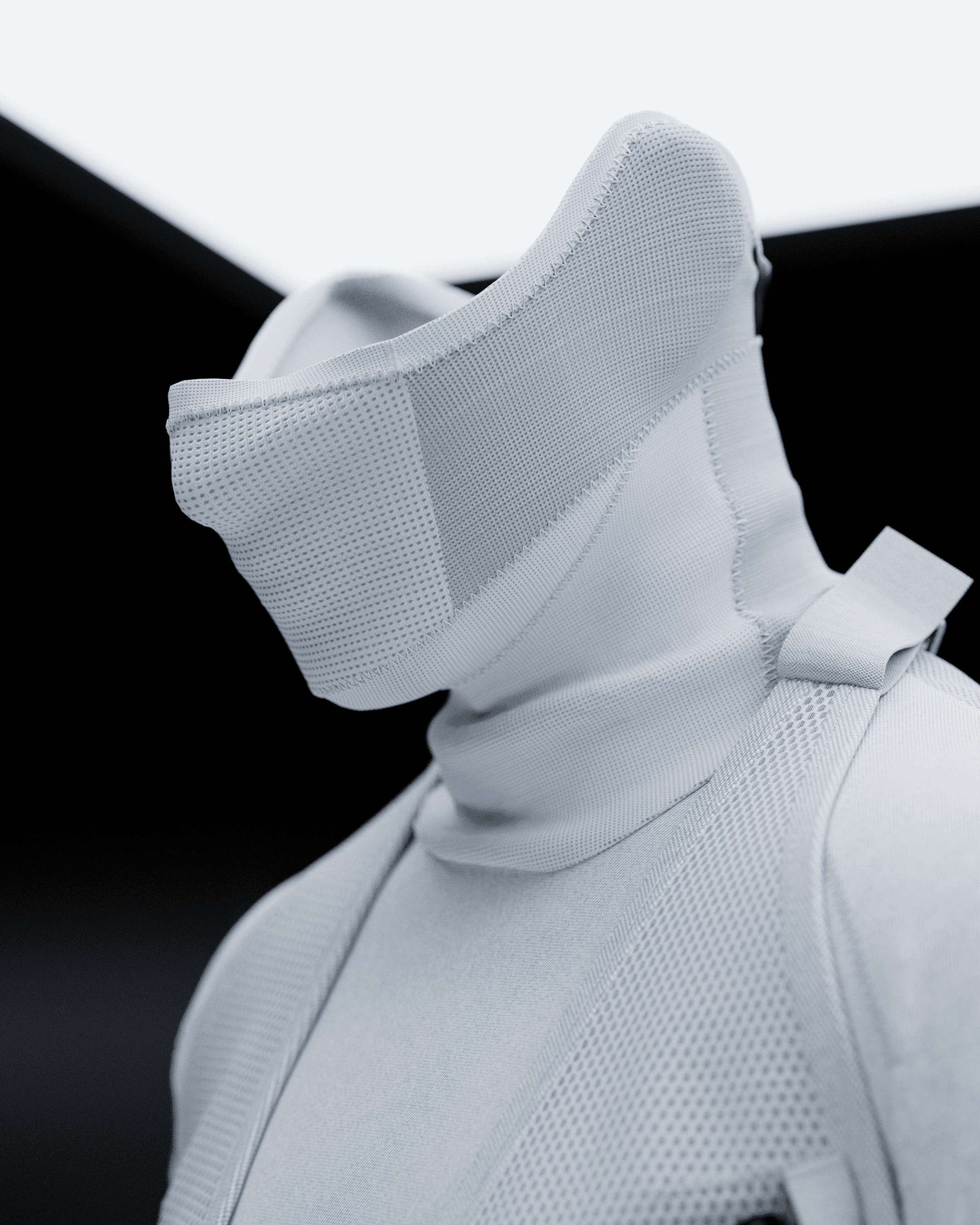
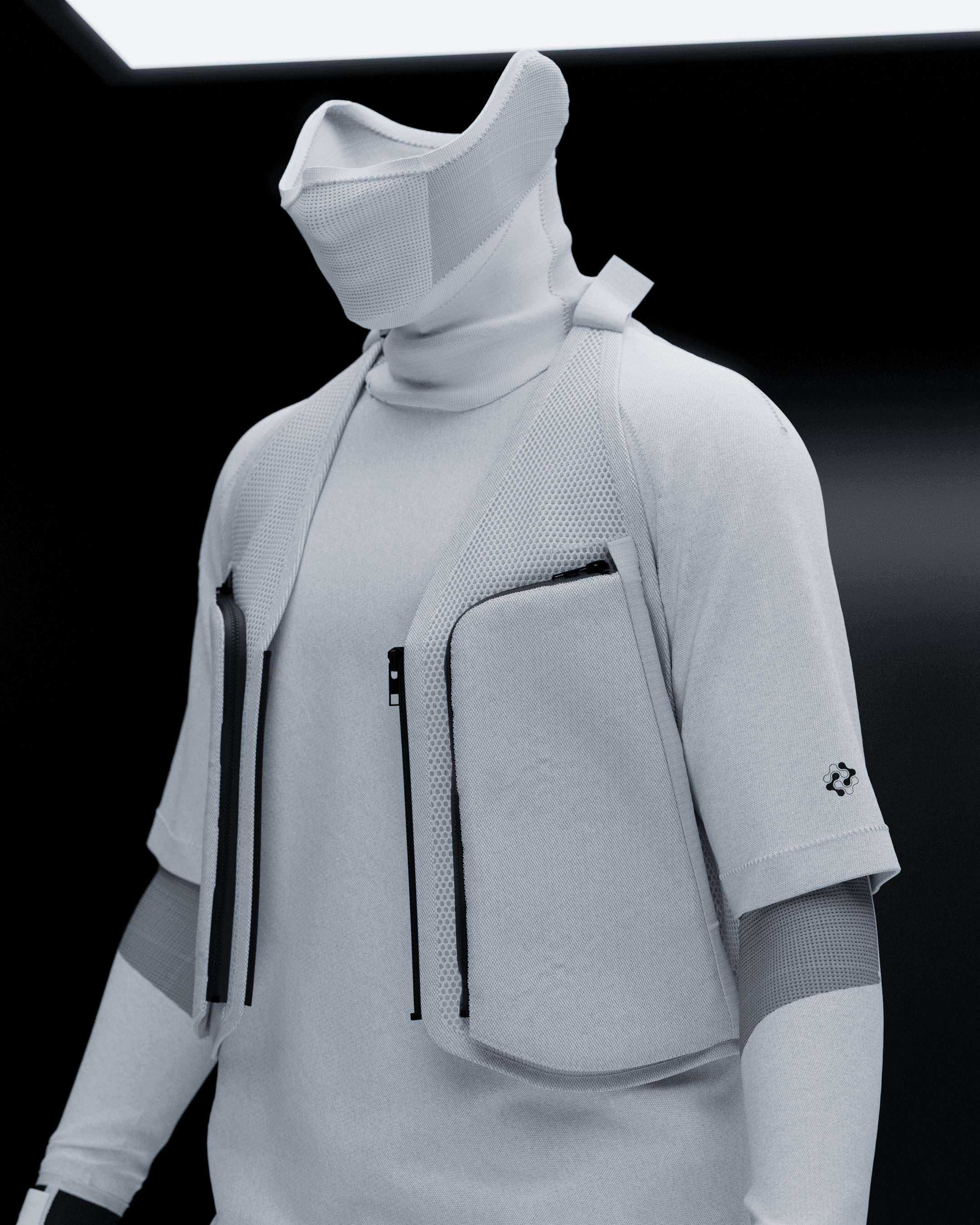
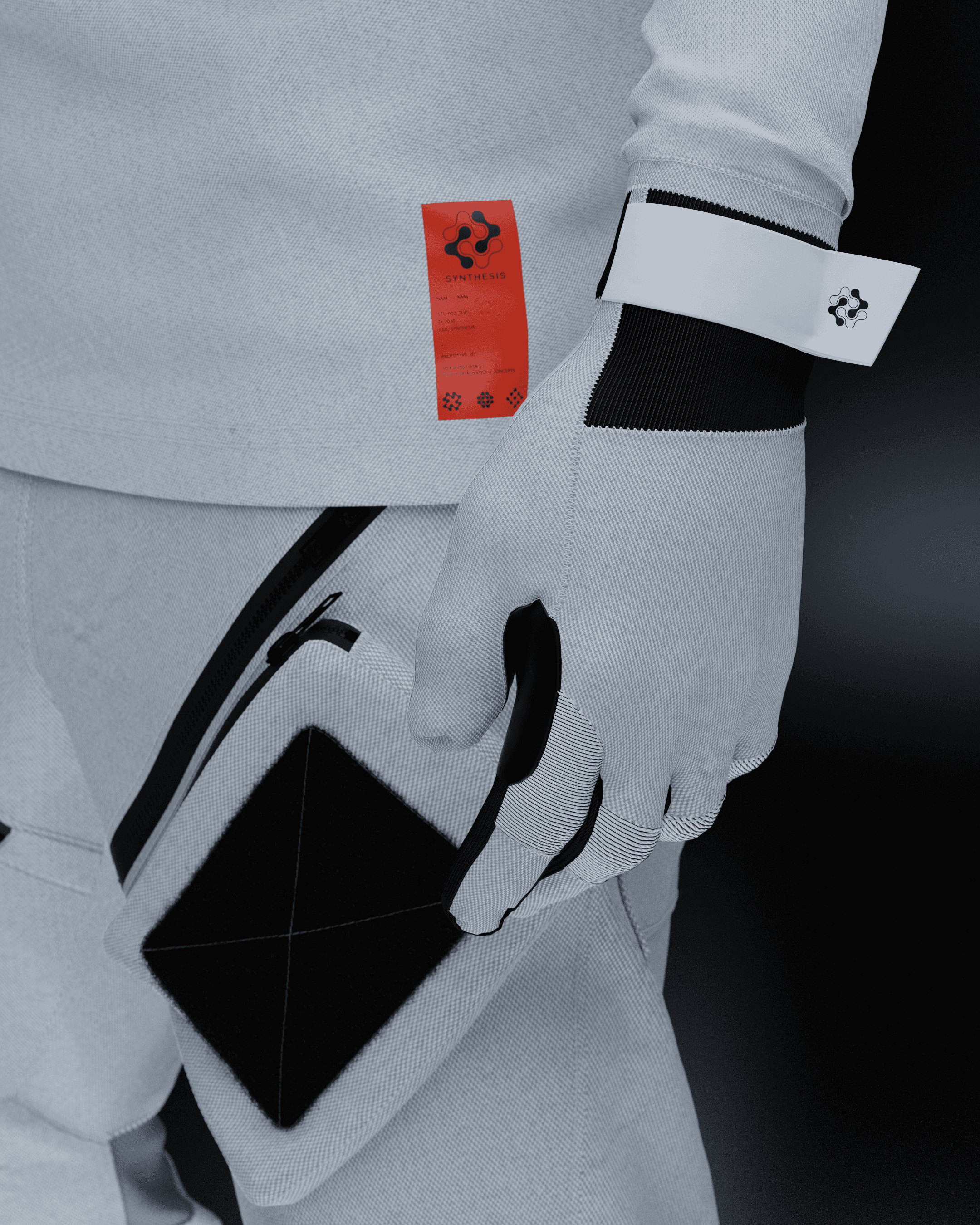
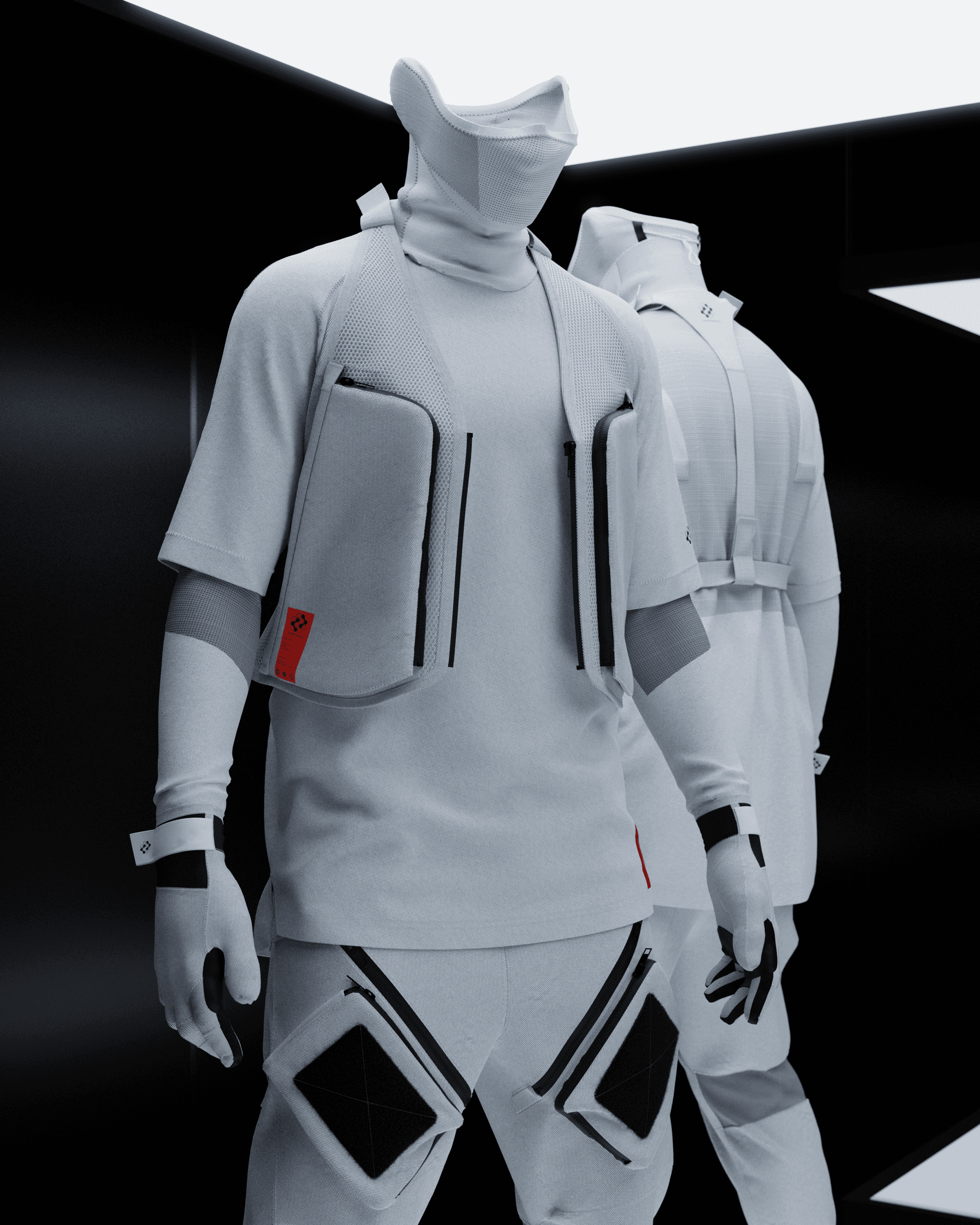
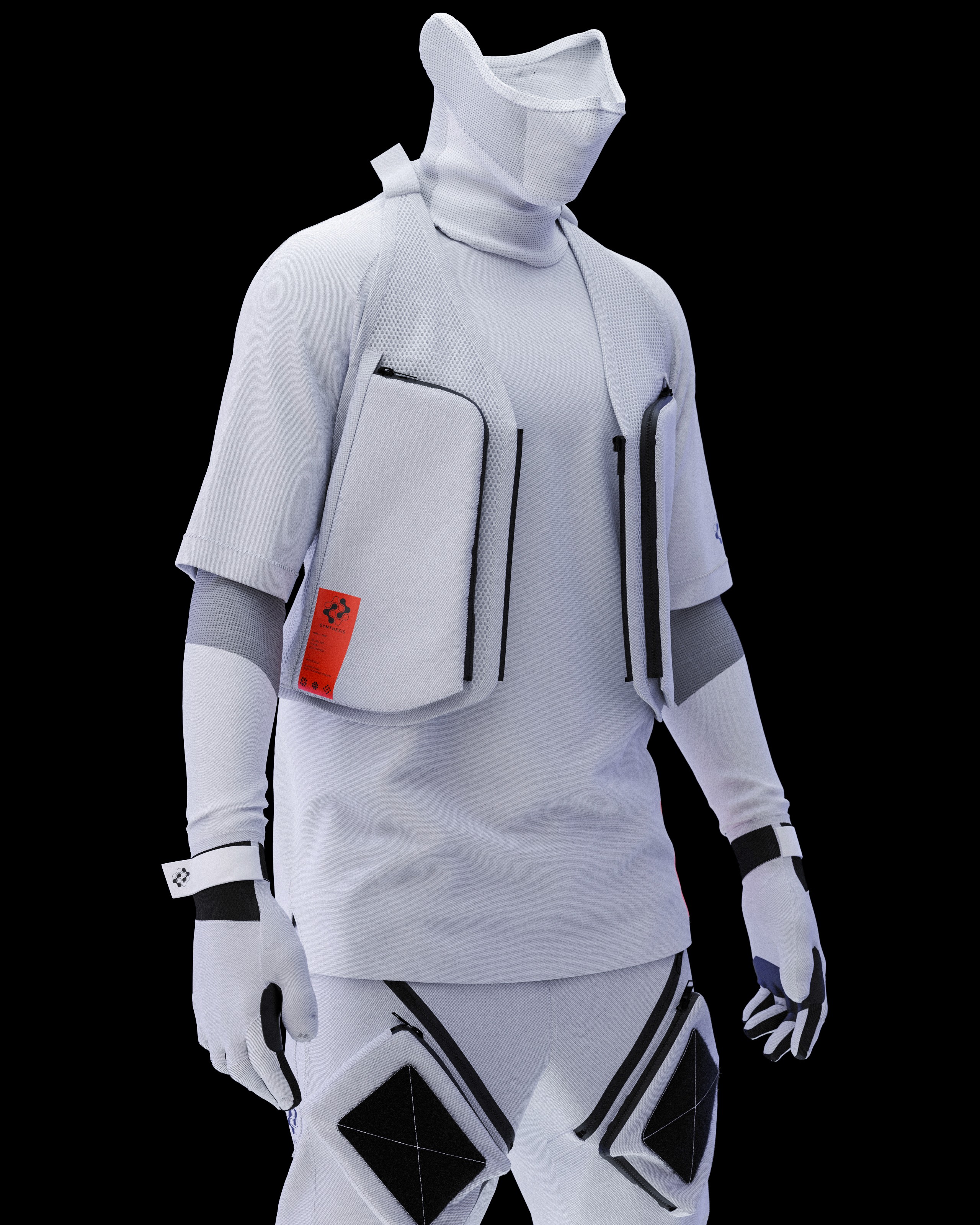
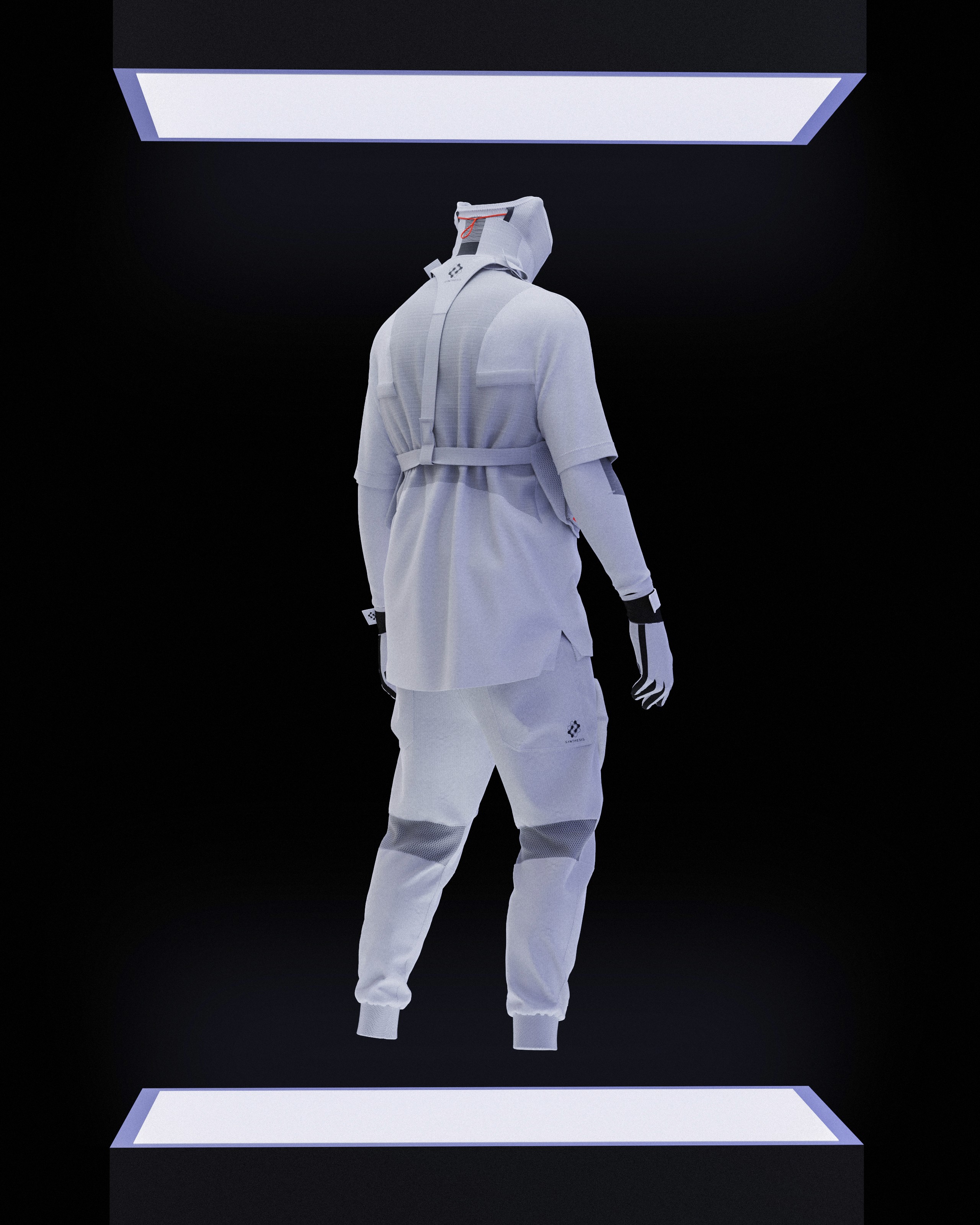
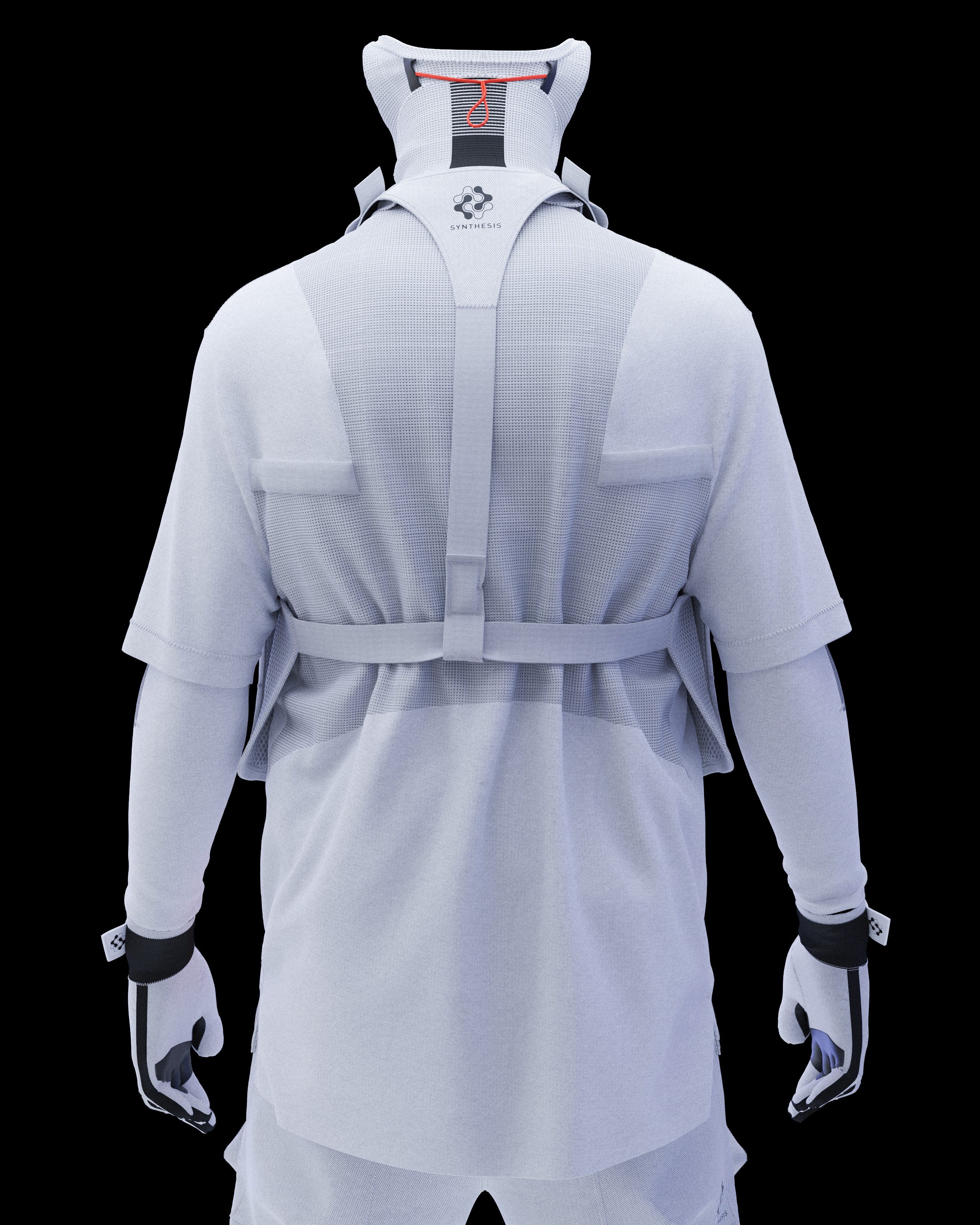
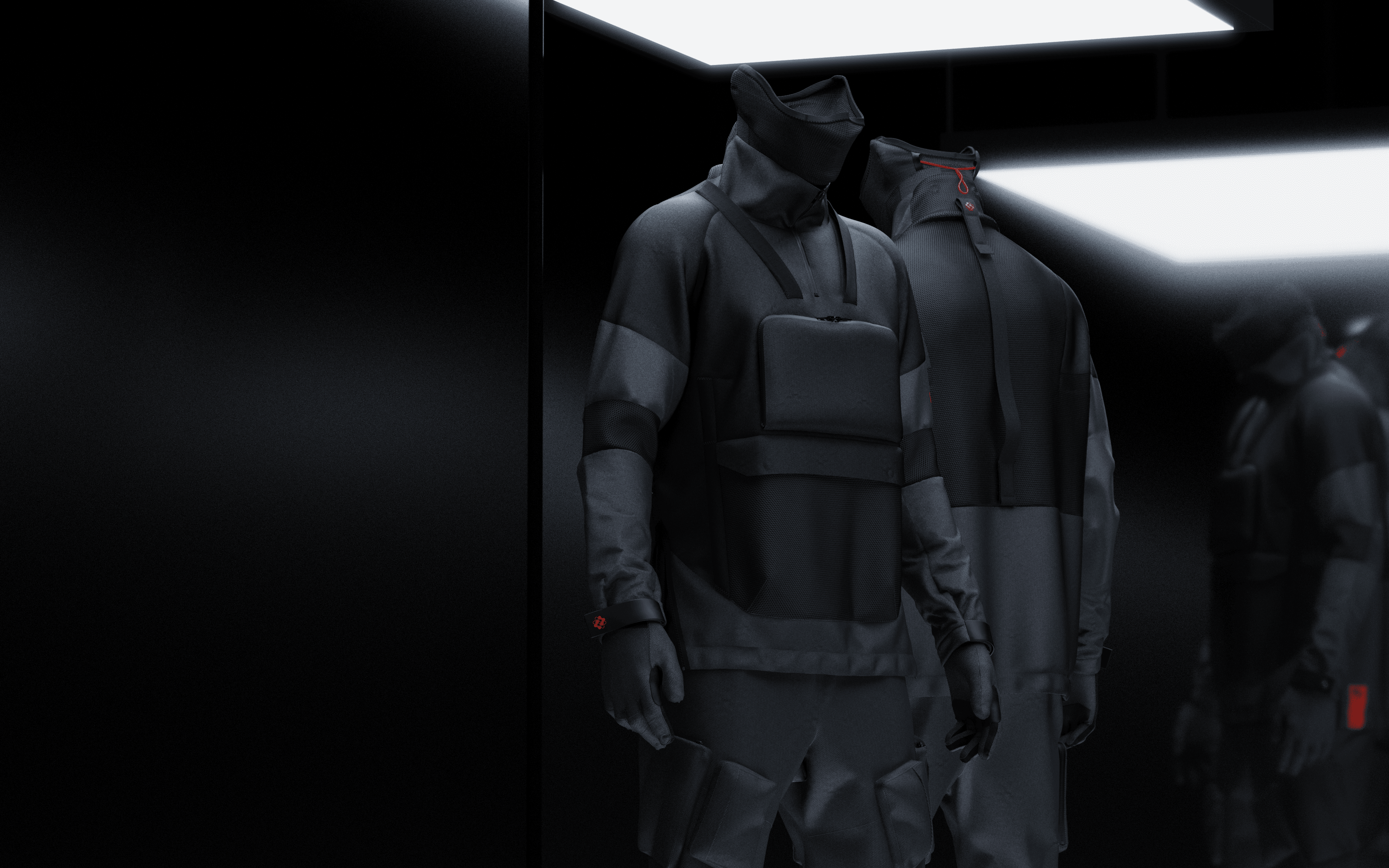
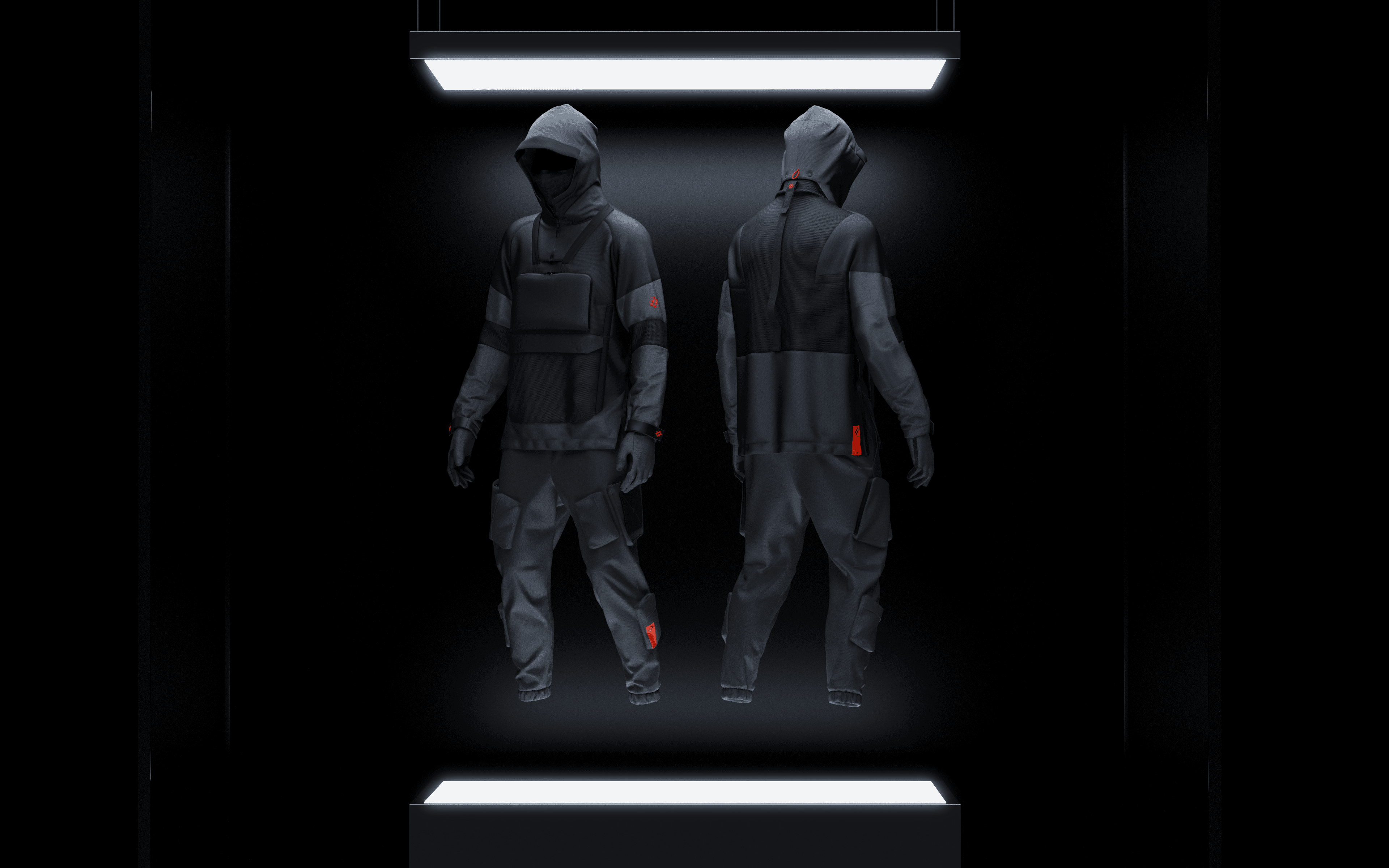
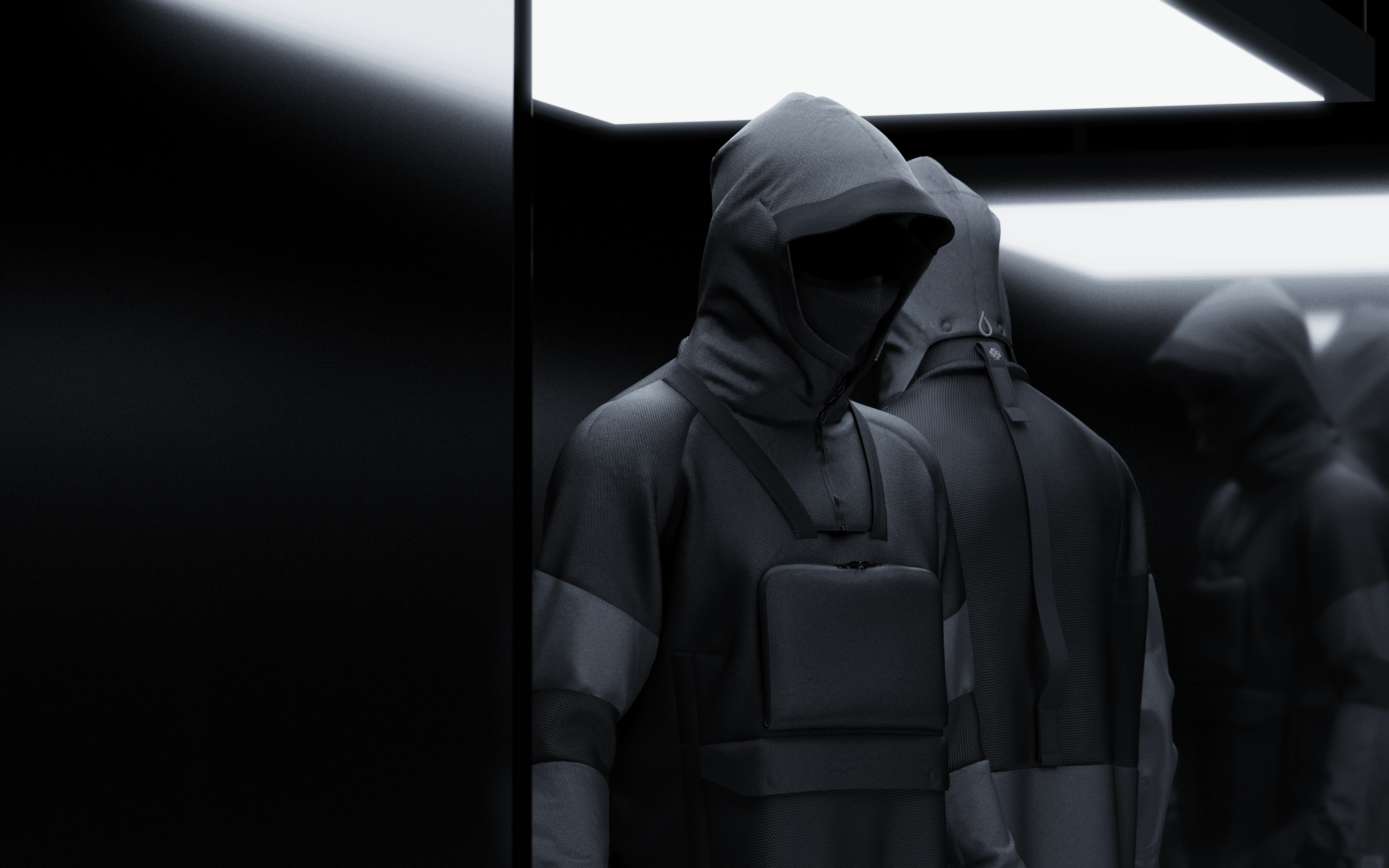
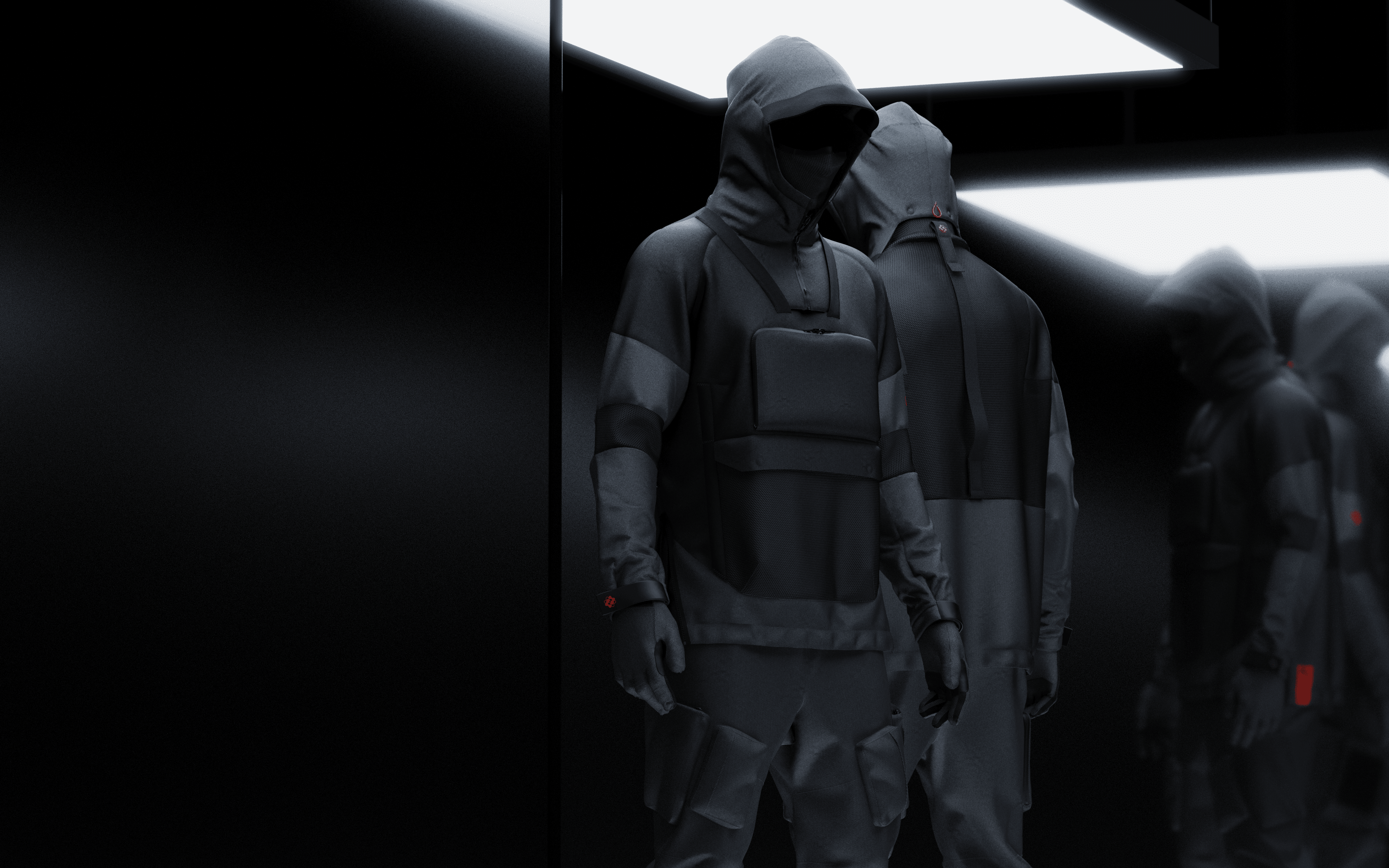
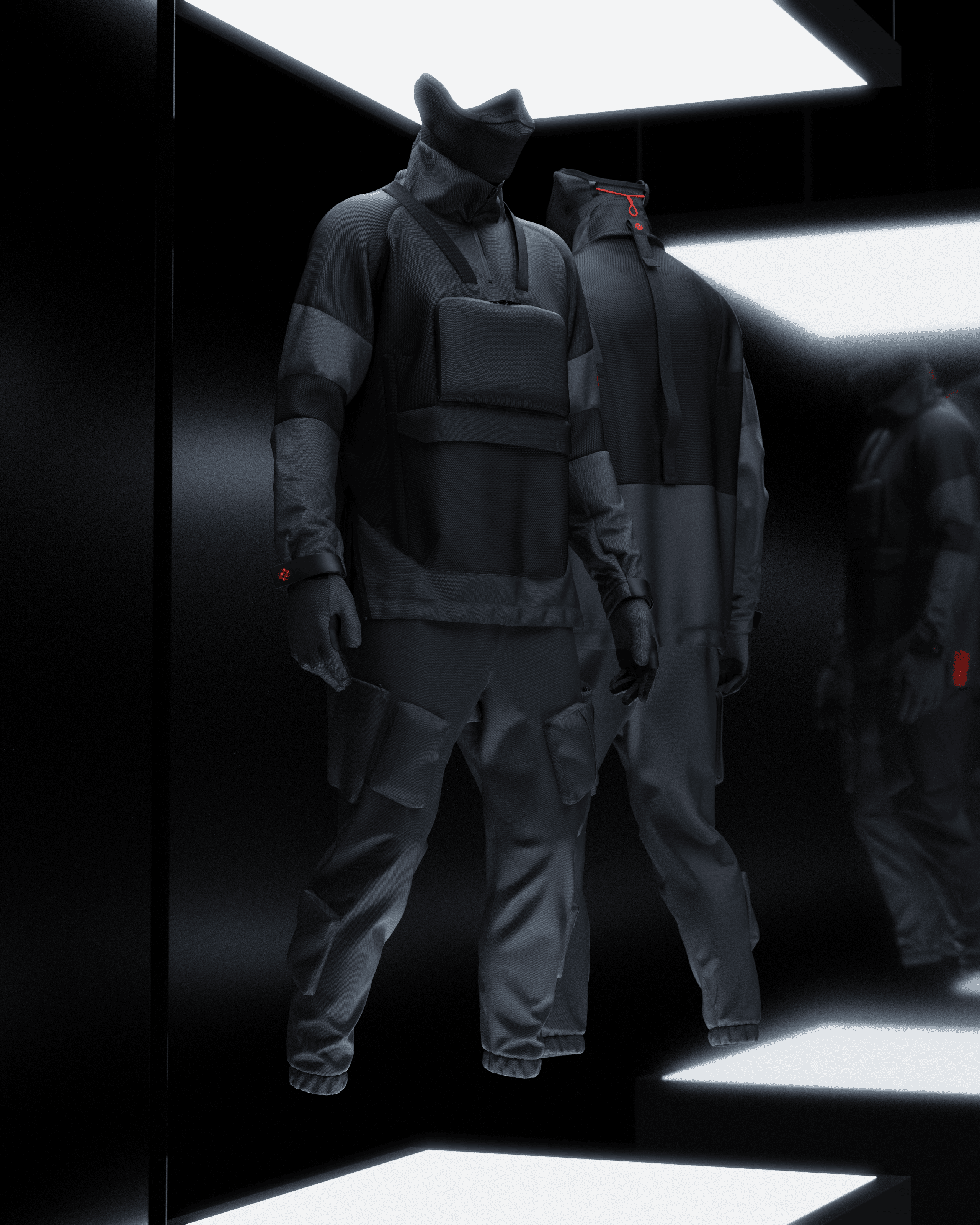
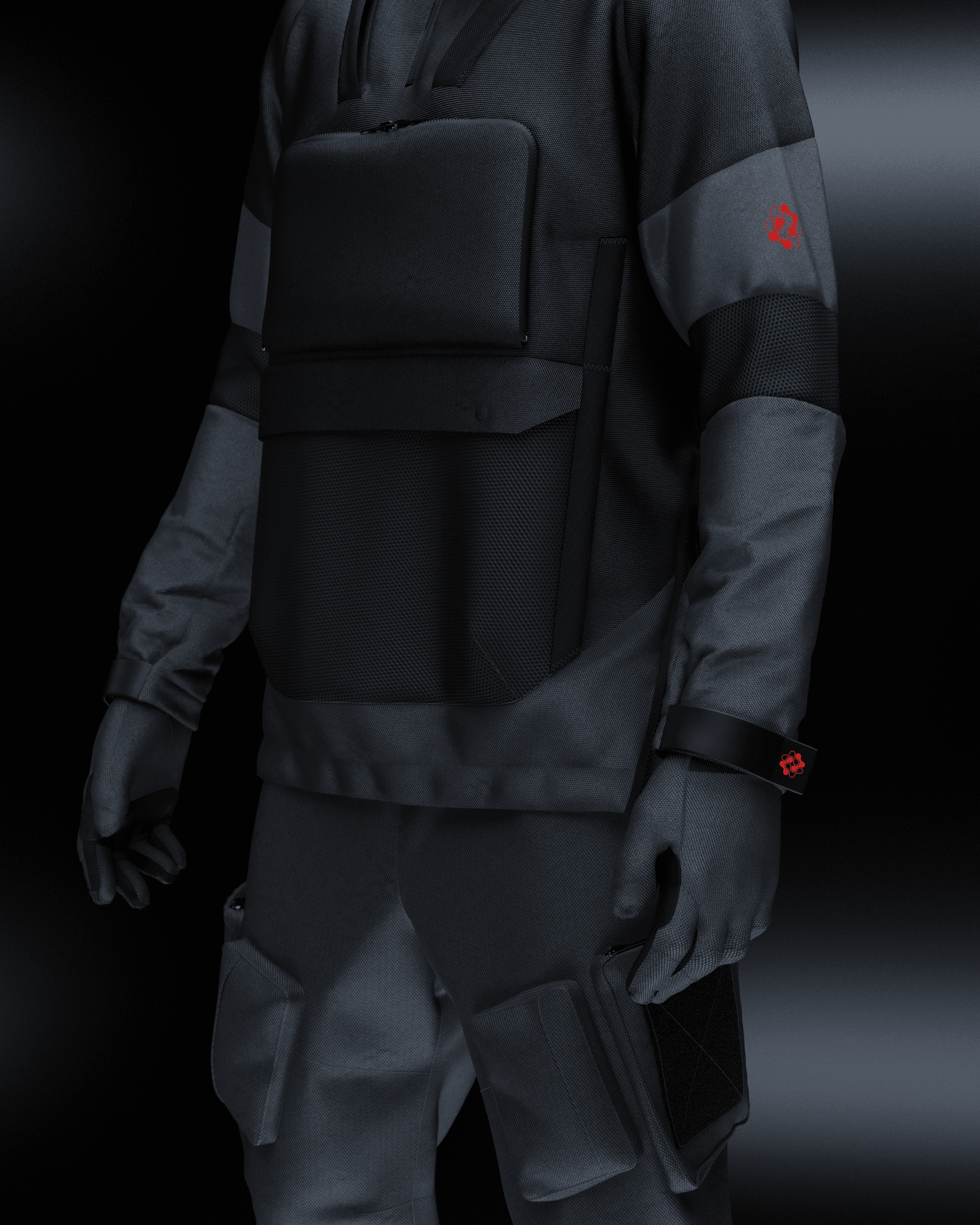
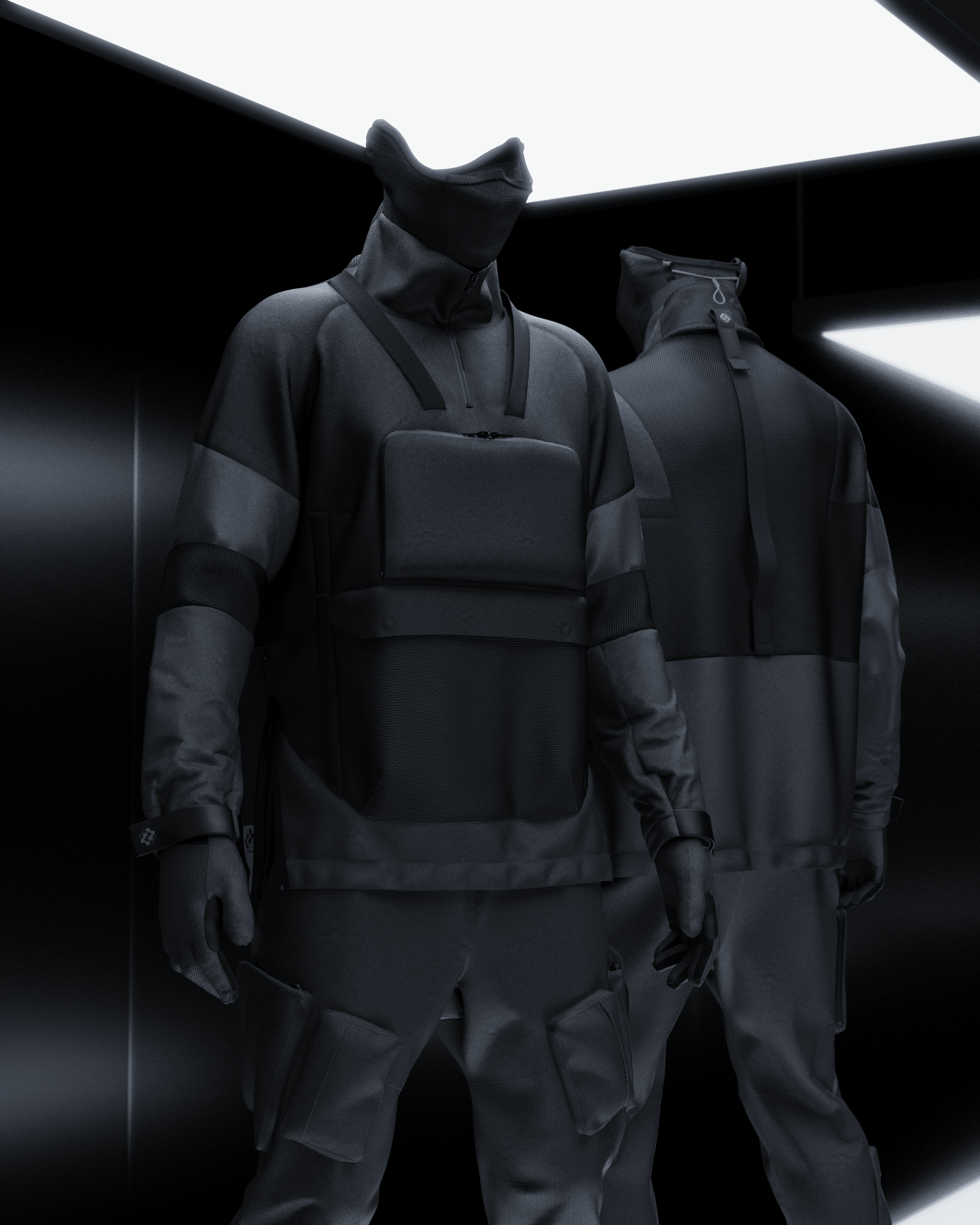
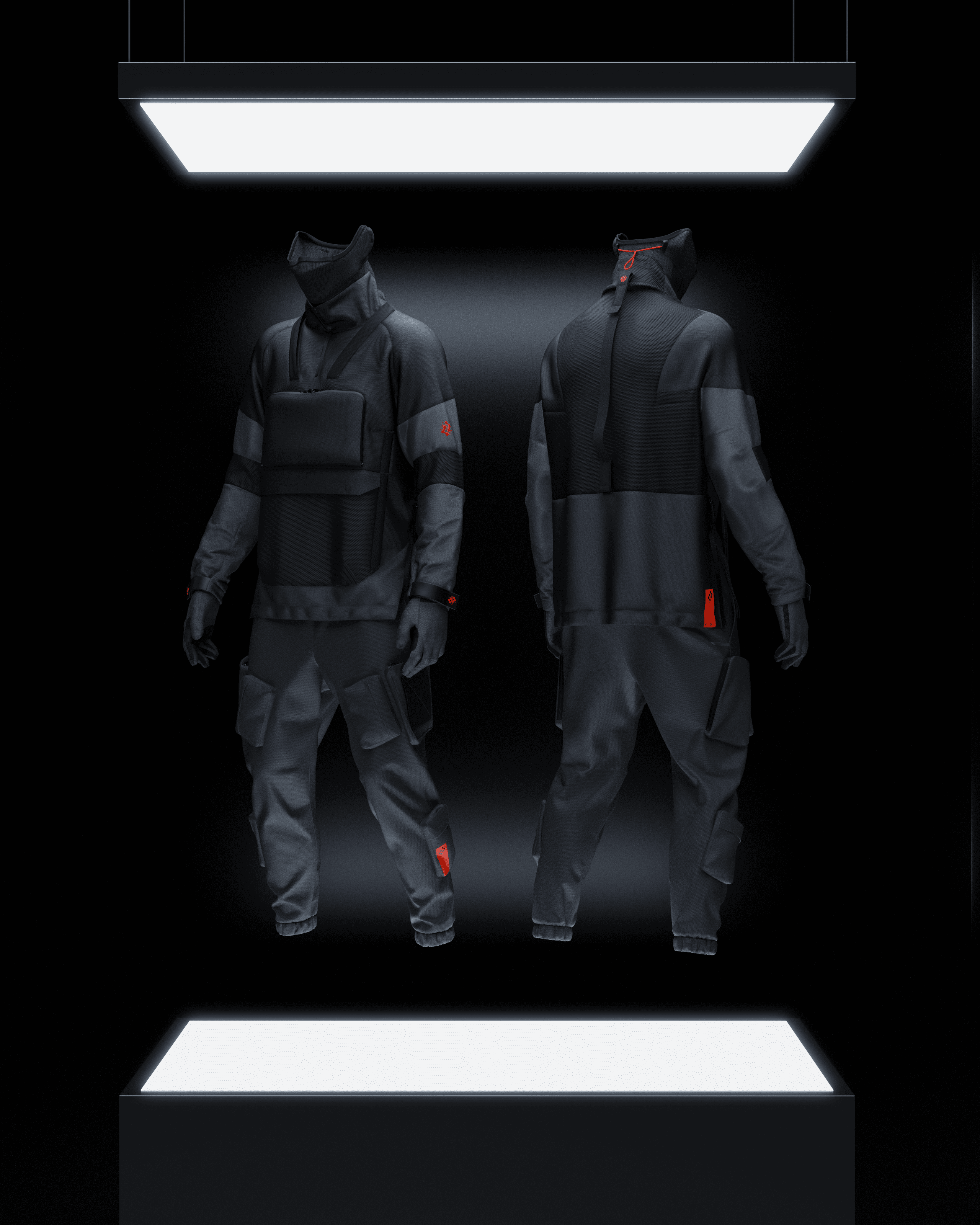
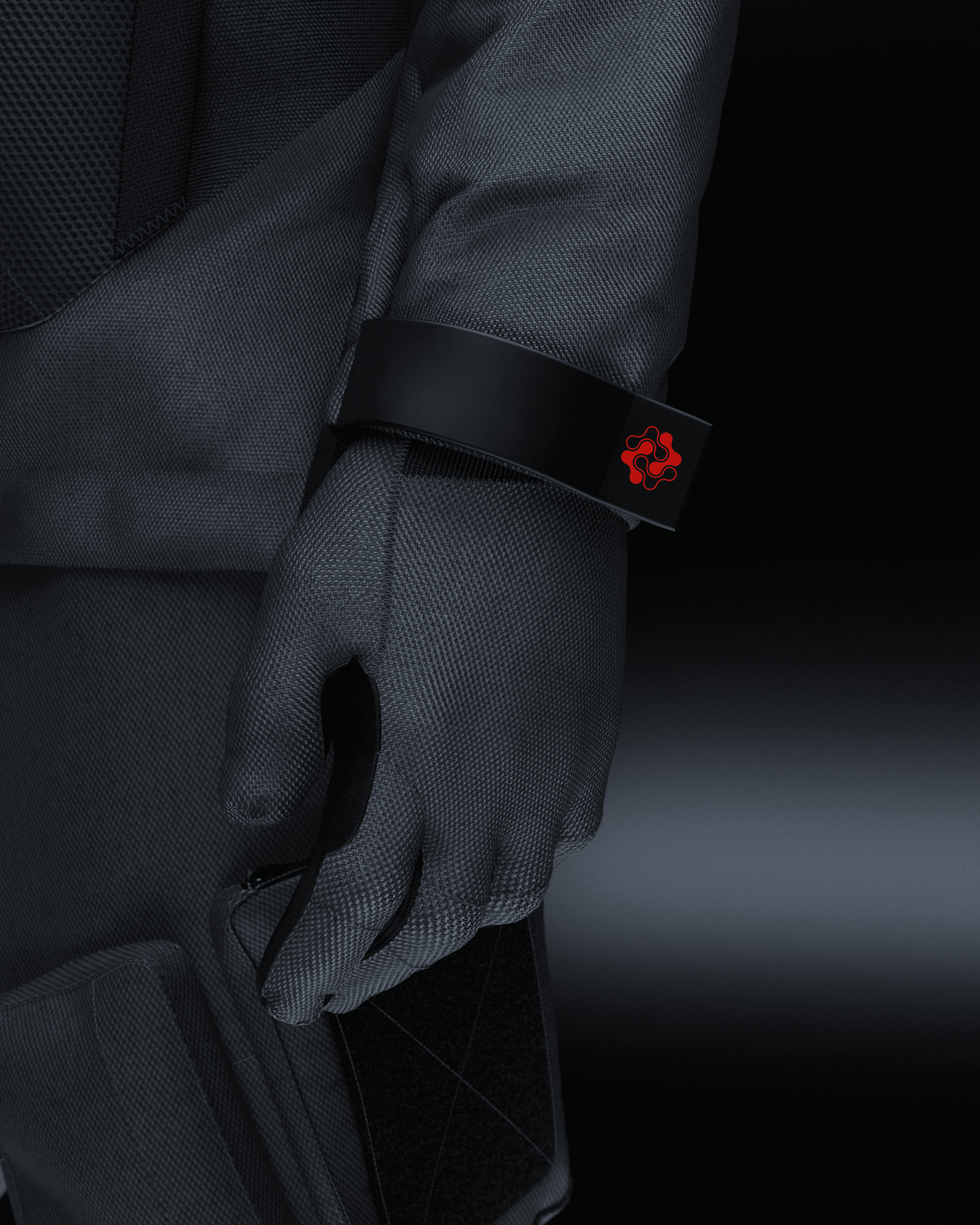
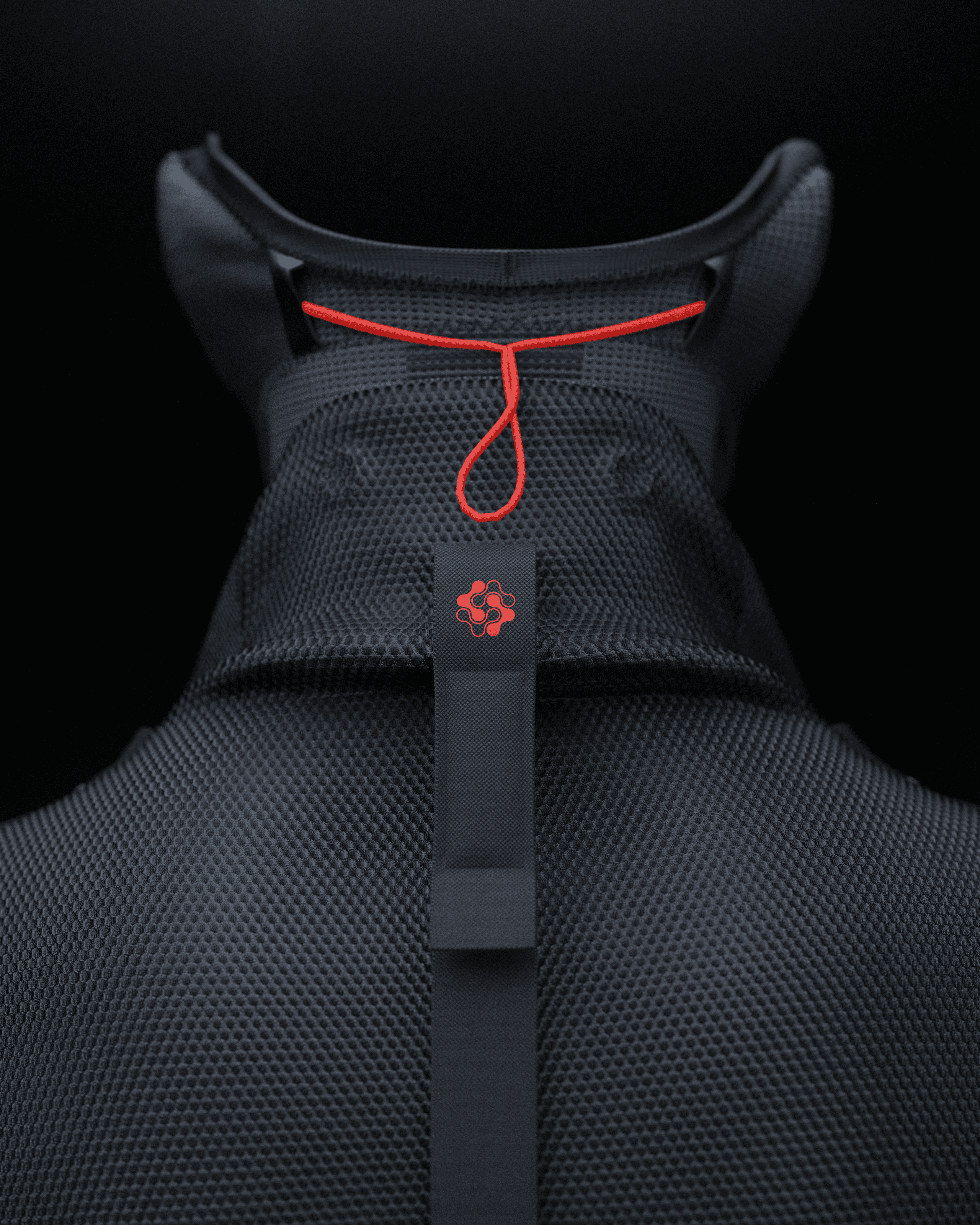
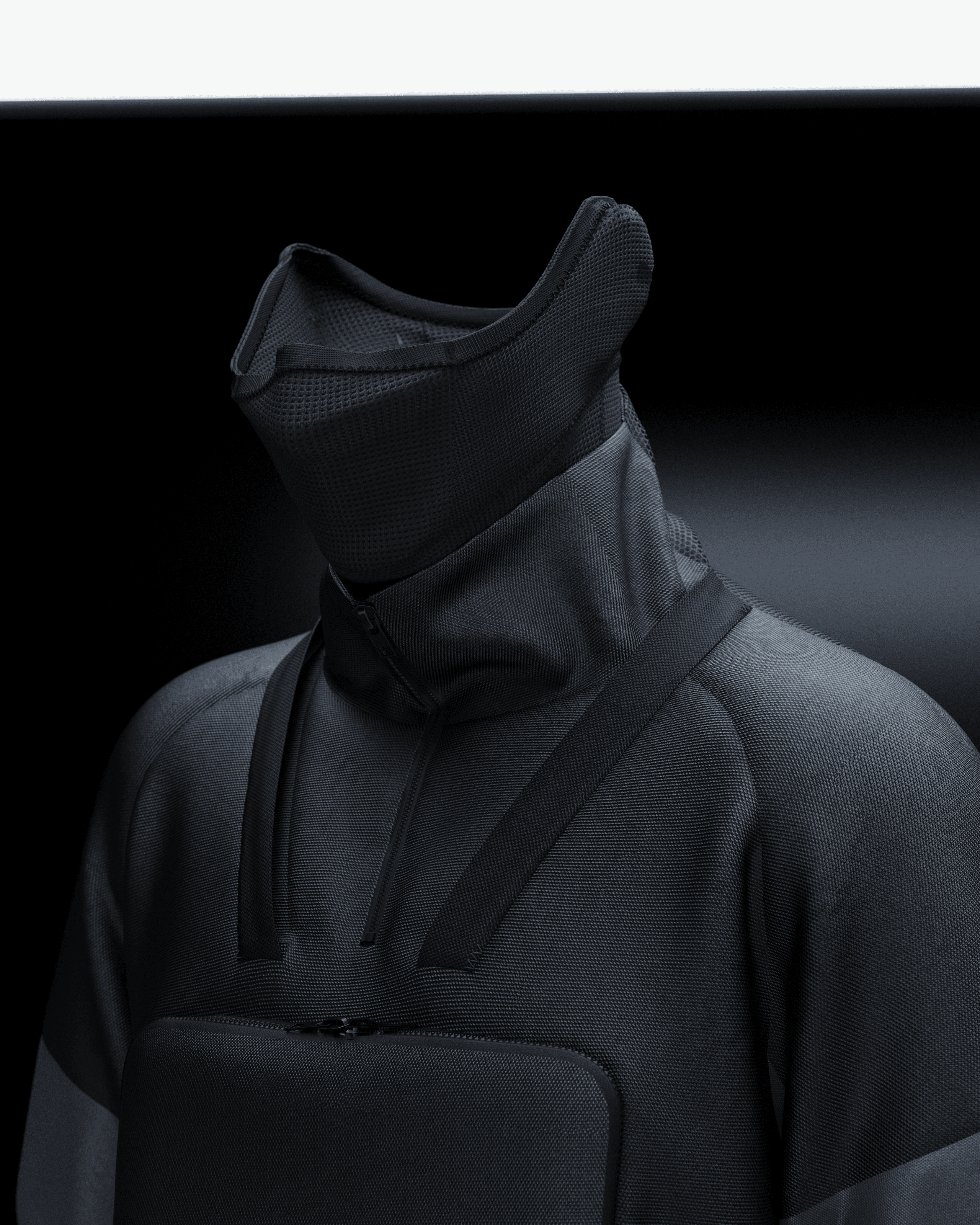
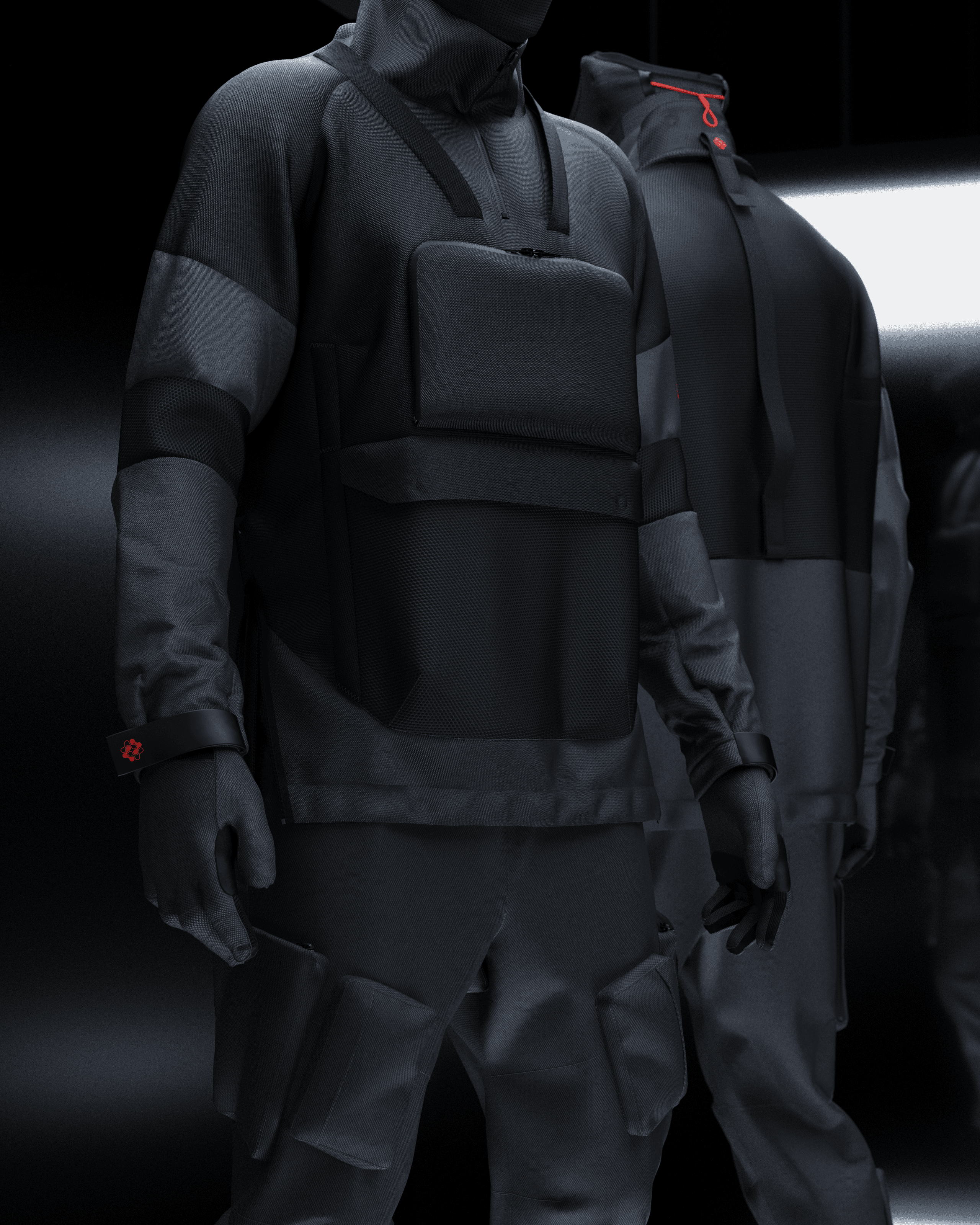
My interest in technical outerwear started on the mountain - spending winter months snowboarding with friends. Out there, a jacket isn’t just clothing; it’s protection. It shields you from freezing wind, snow, and unpredictable weather - it becomes an essential part of your gear.
Watching my friends and other snowboarders perform high-speed jumps, spins, and rotations made me more aware of how the human body moves - and how clothing needs to adapt to that movement. Over time, I began to appreciate how these garments not only protect but also express style, shape, and attitude.
Moments like these sparked my passion for design - an ongoing curiosity about how function, movement, and aesthetics can work together naturally. That idea became the foundation of how I think and create today - always searching for the point where performance meets style, and where engineering blends seamlessly with design.
+
+
02
+
My interest in technical outerwear started on the mountain - spending winter months snowboarding with friends. Out there, a jacket isn’t just clothing; it’s protection. It shields you from freezing wind, snow, and unpredictable weather - it becomes an essential part of your gear.
Watching my friends and other snowboarders perform high-speed jumps, spins, and rotations made me more aware of how the human body moves - and how clothing needs to adapt to that movement. Over time, I began to appreciate how these garments not only protect but also express style, shape, and attitude.
Moments like these sparked my passion for design - an ongoing curiosity about how function, movement, and aesthetics can work together naturally. That idea became the foundation of how I think and create today - always searching for the point where performance meets style, and where engineering blends seamlessly with design.
+
+
03
03
+
+
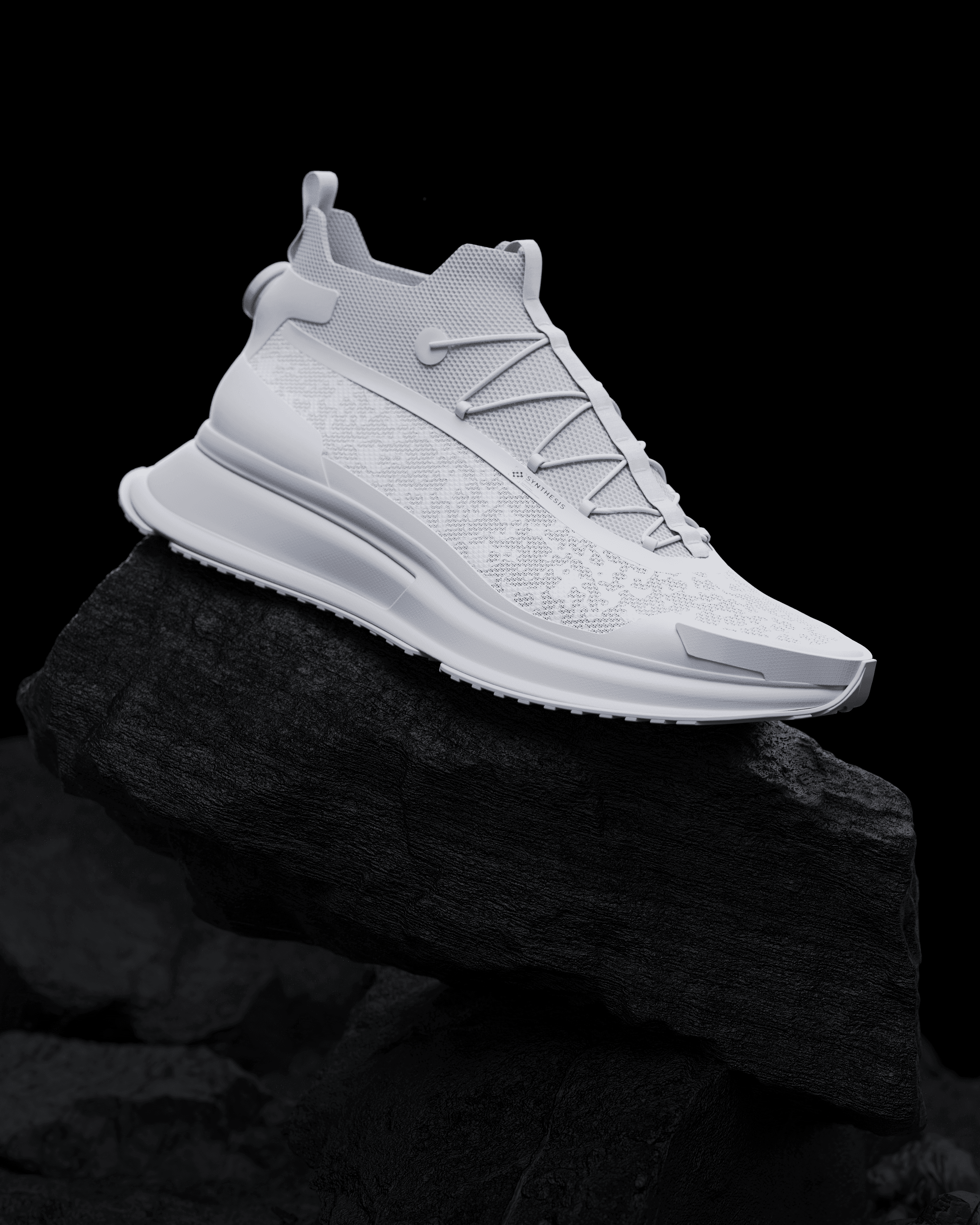
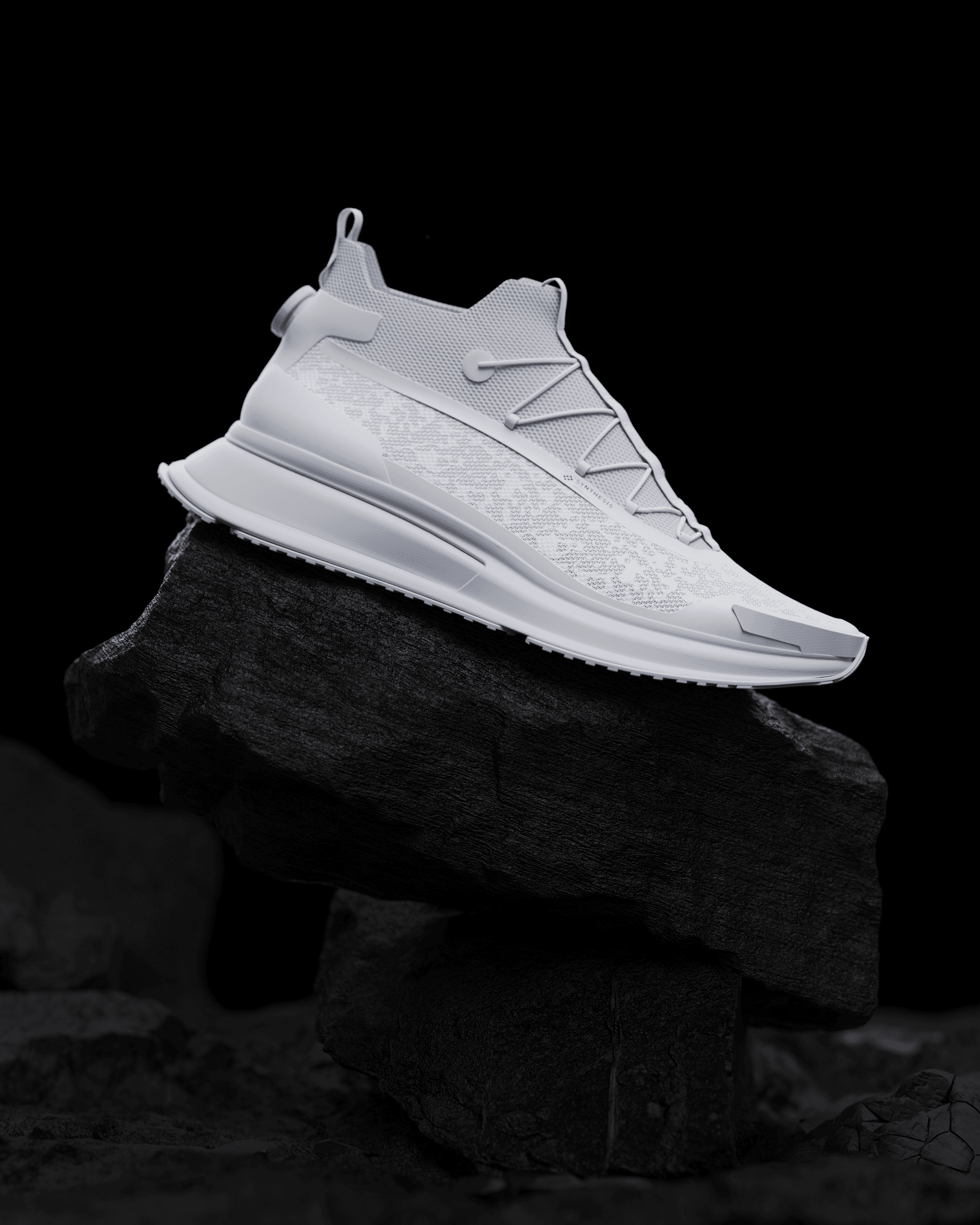
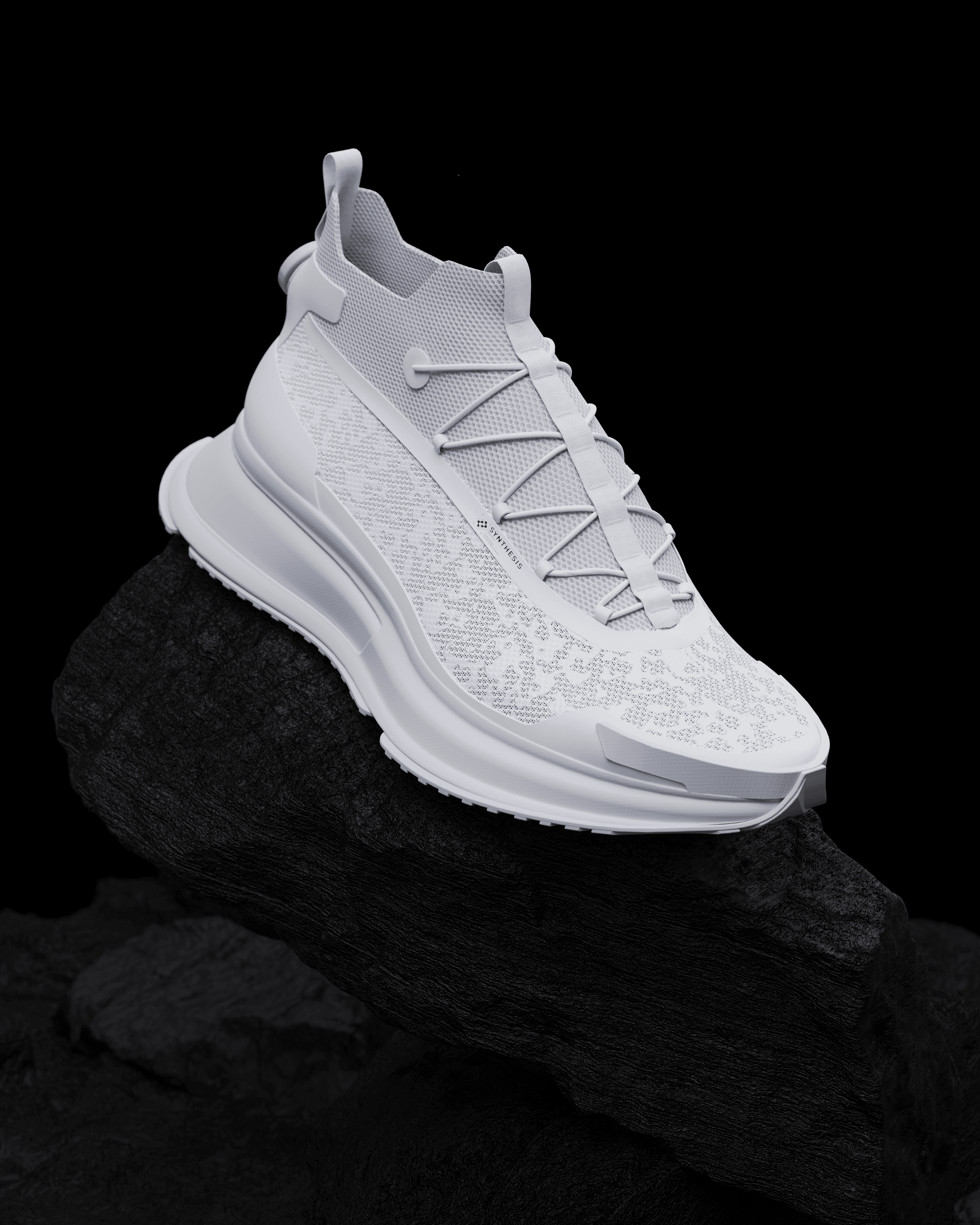
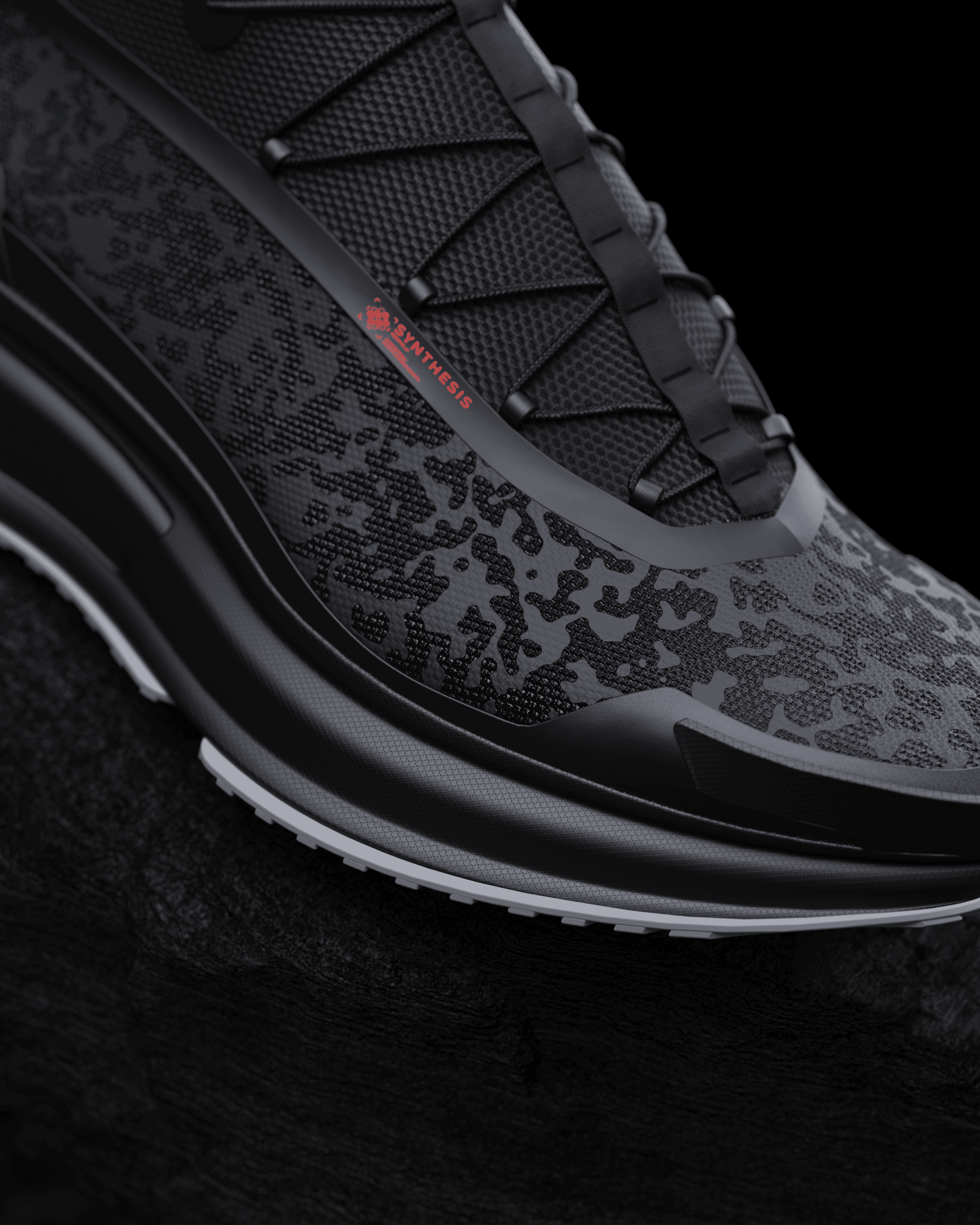
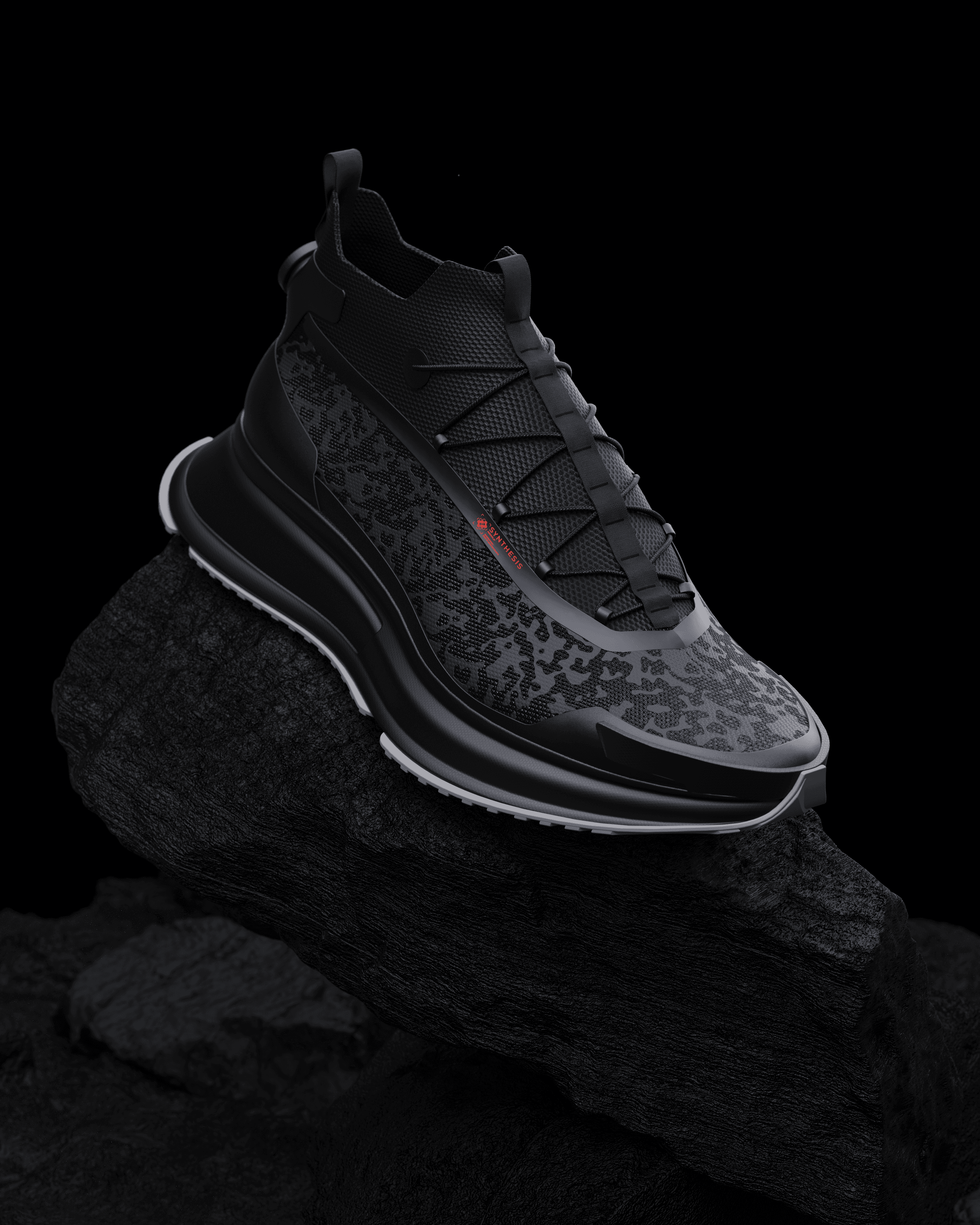
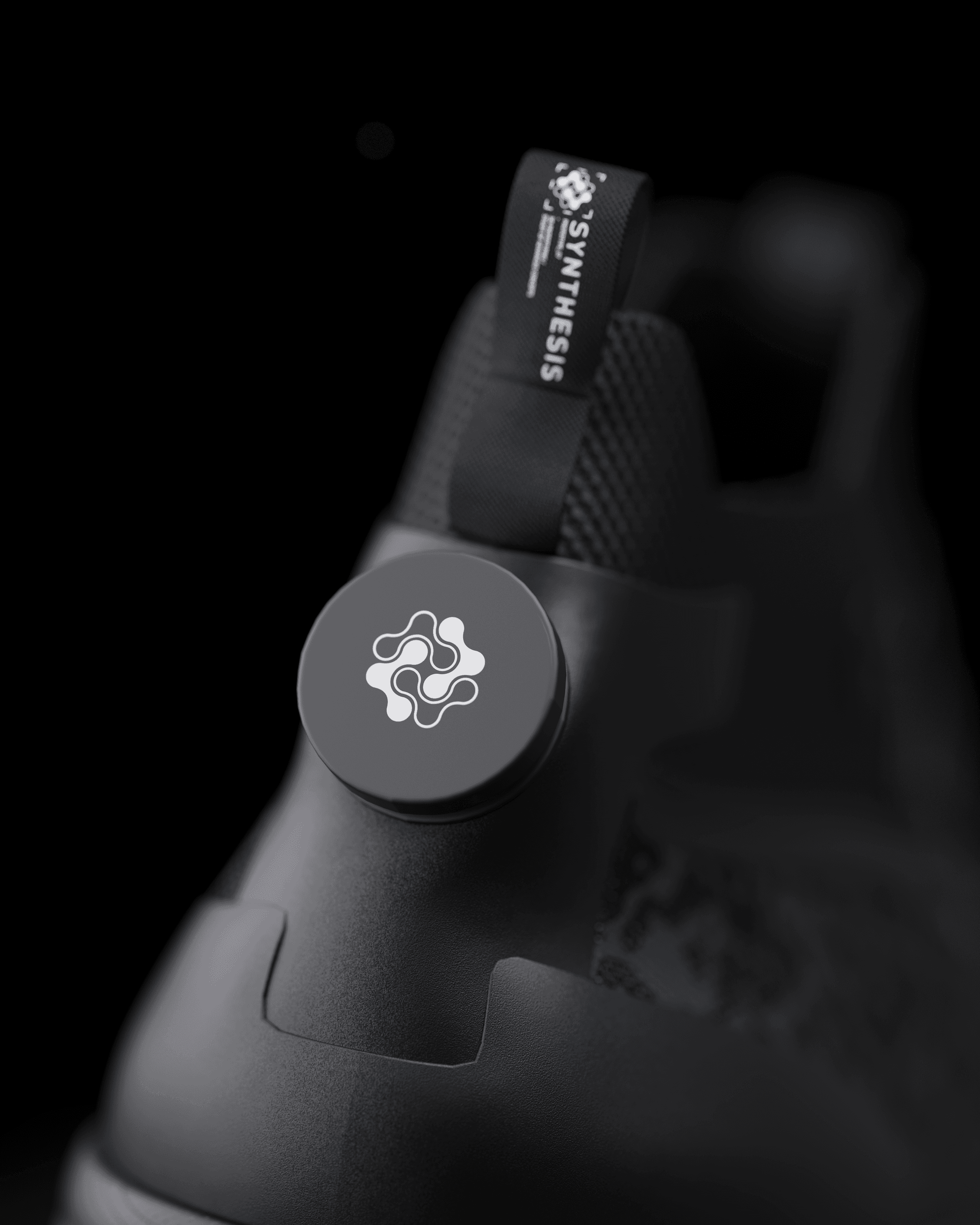
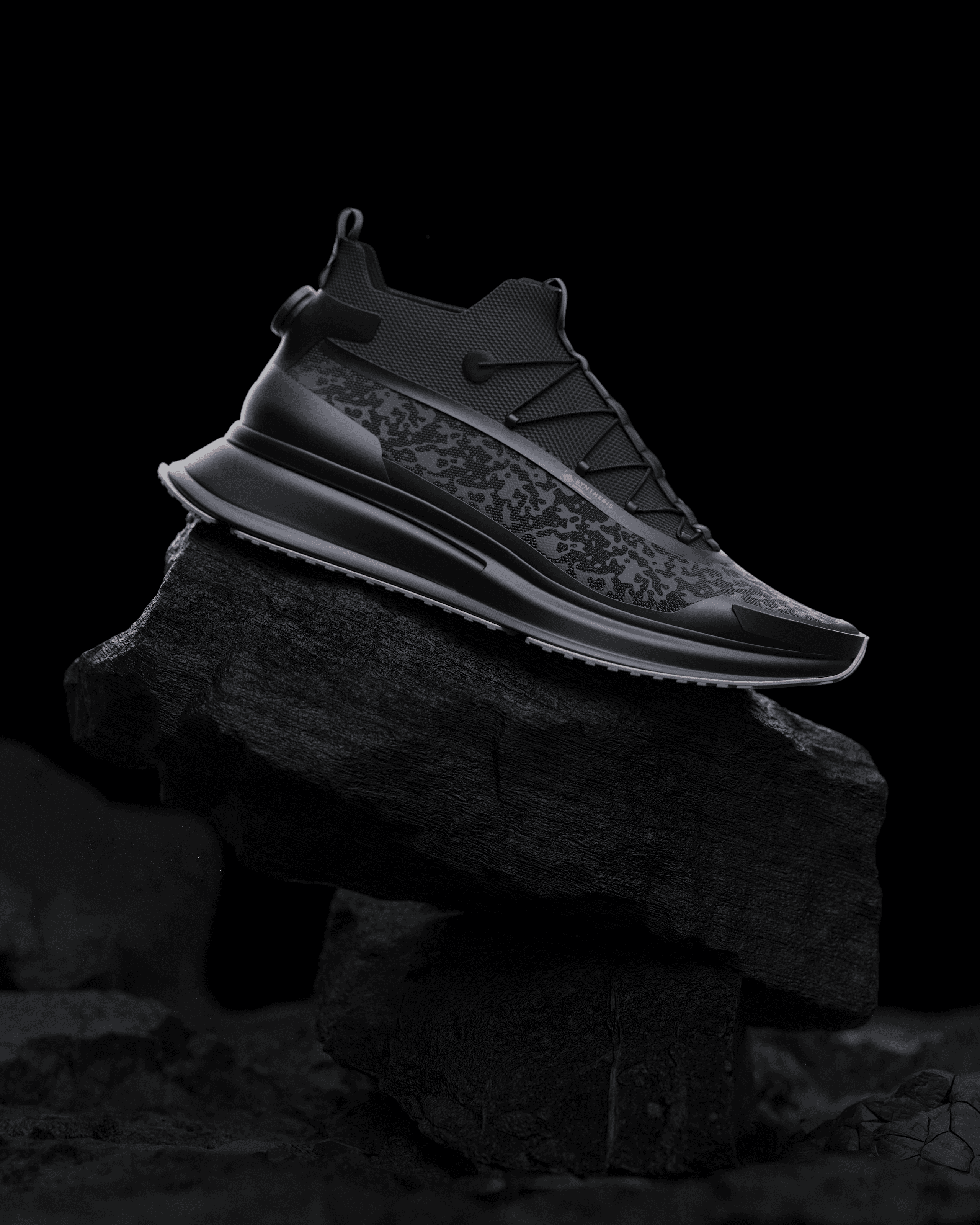
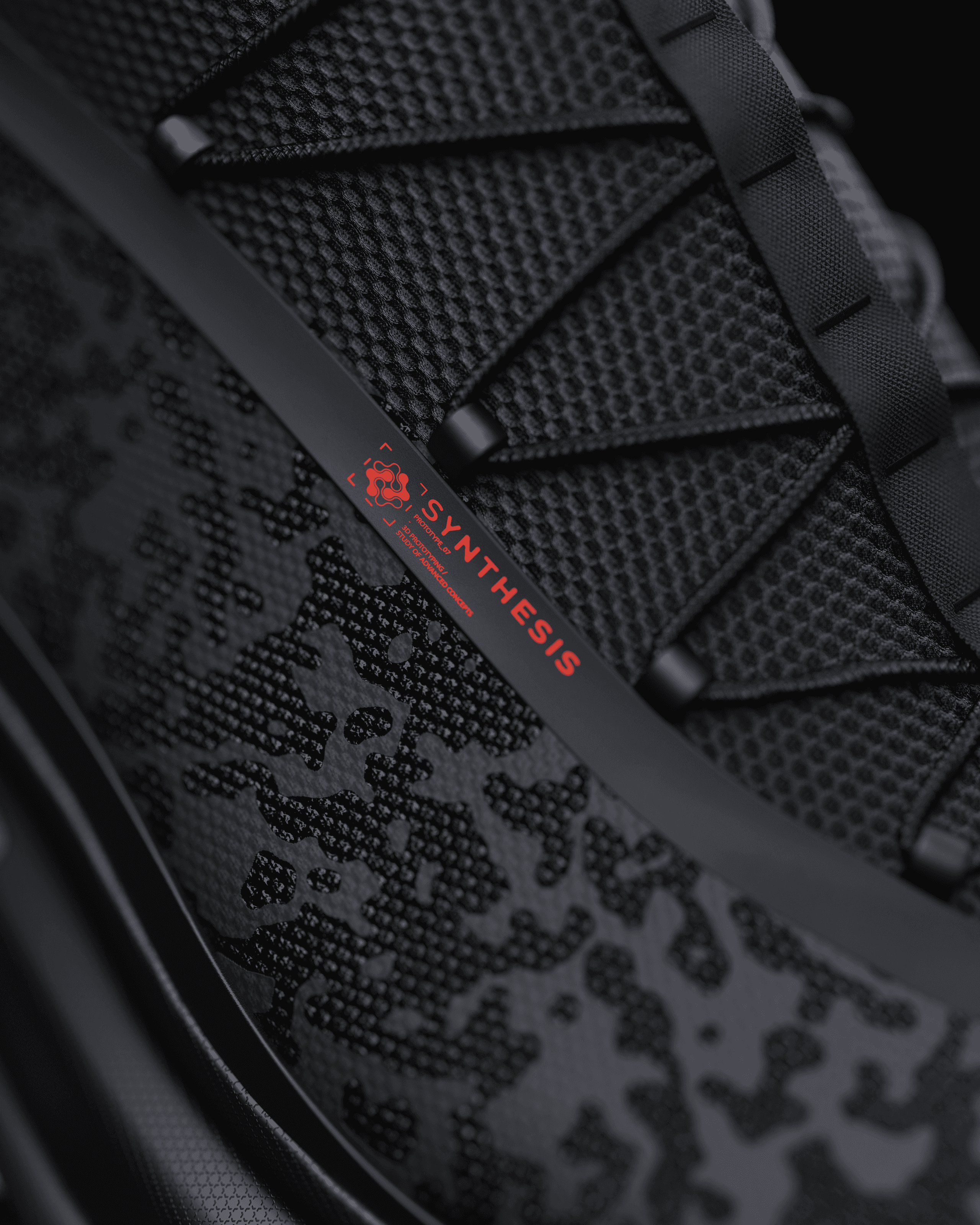
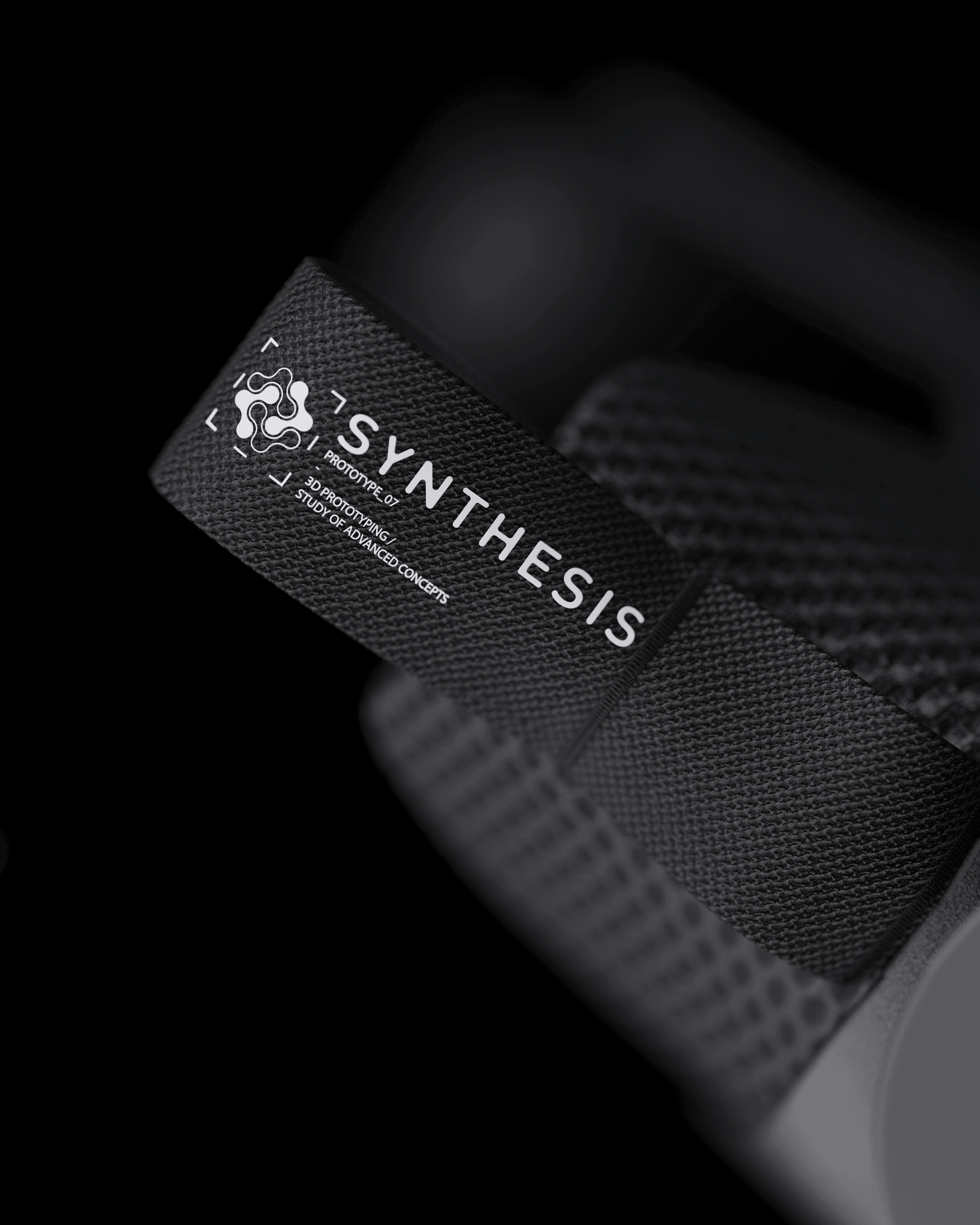
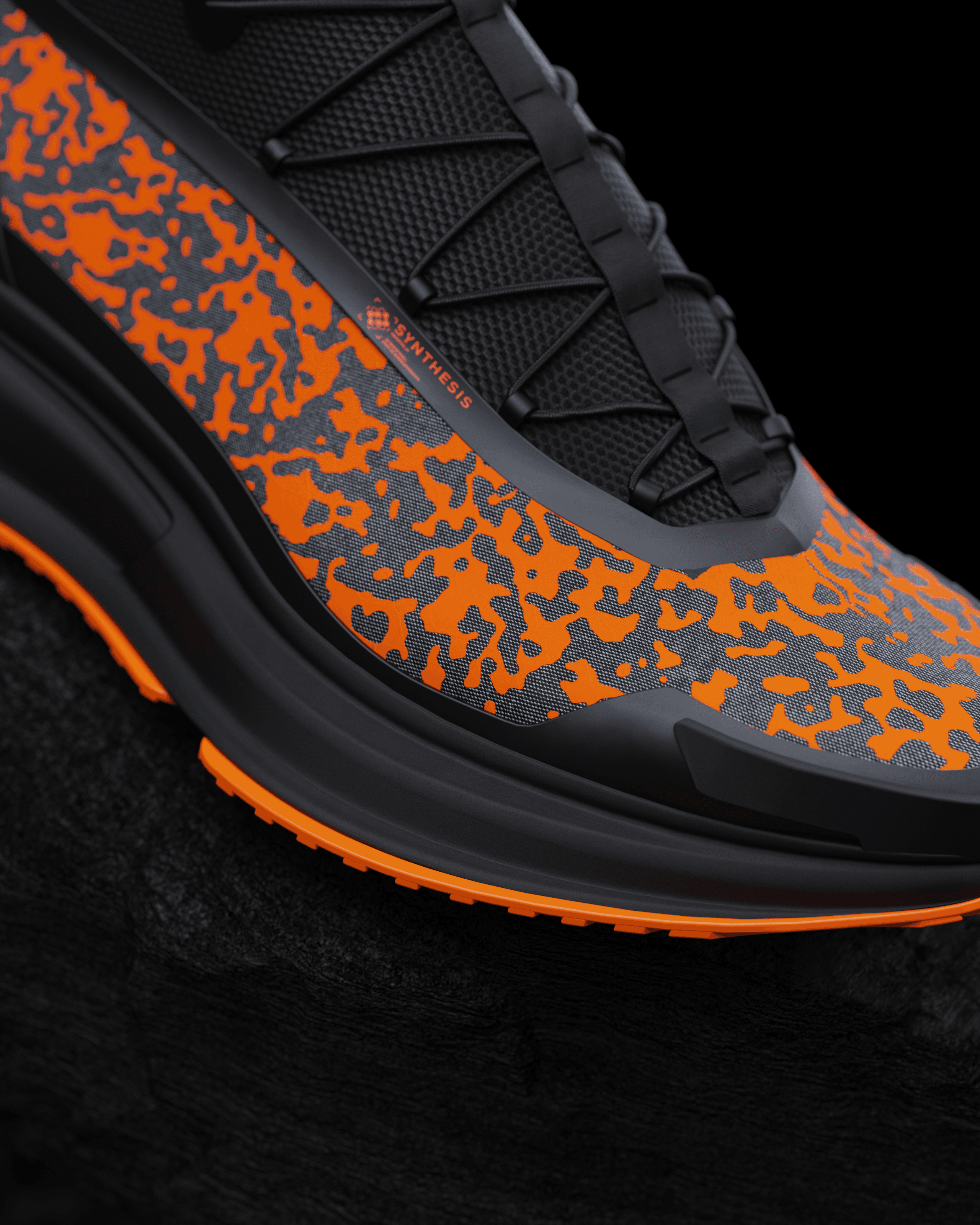
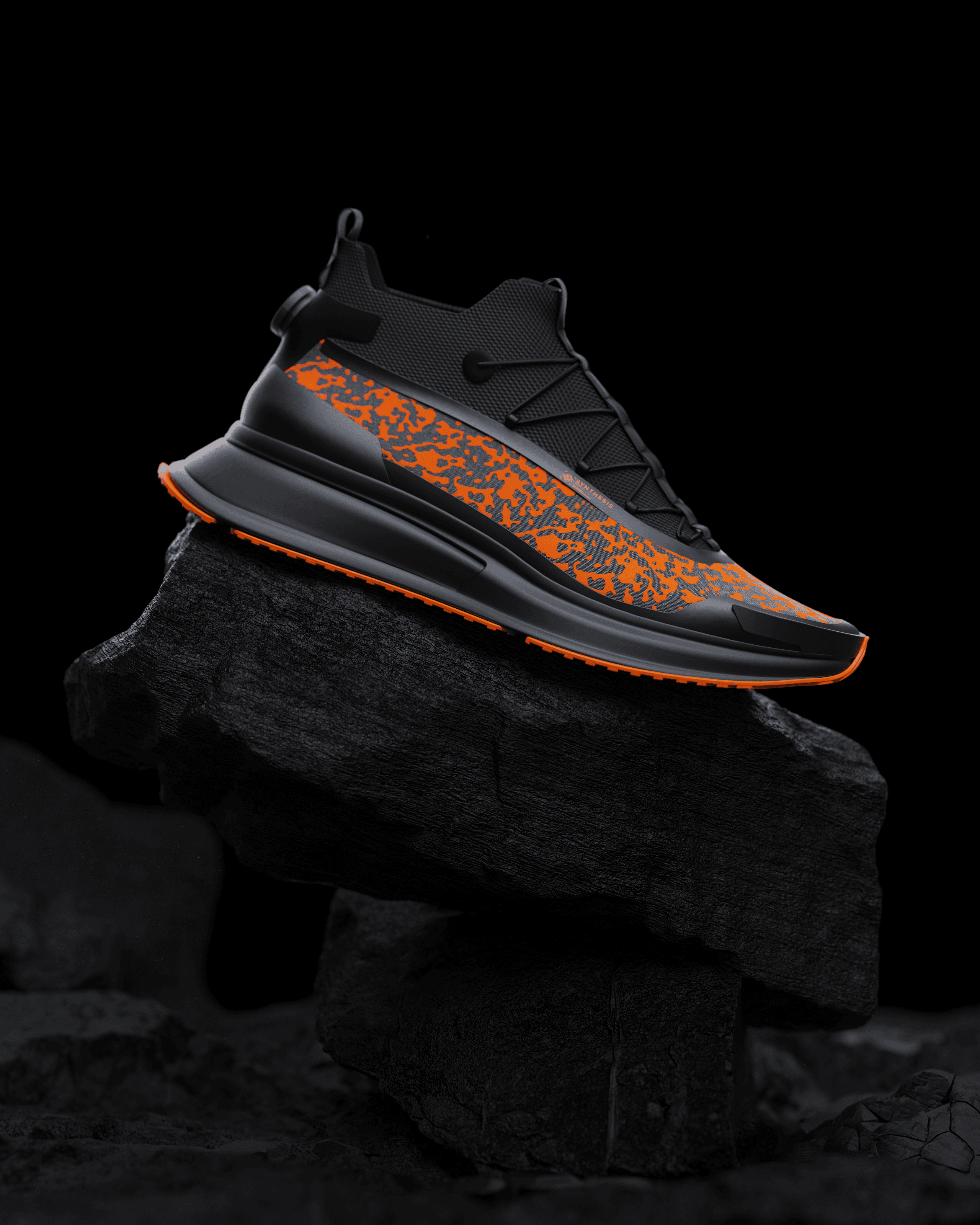
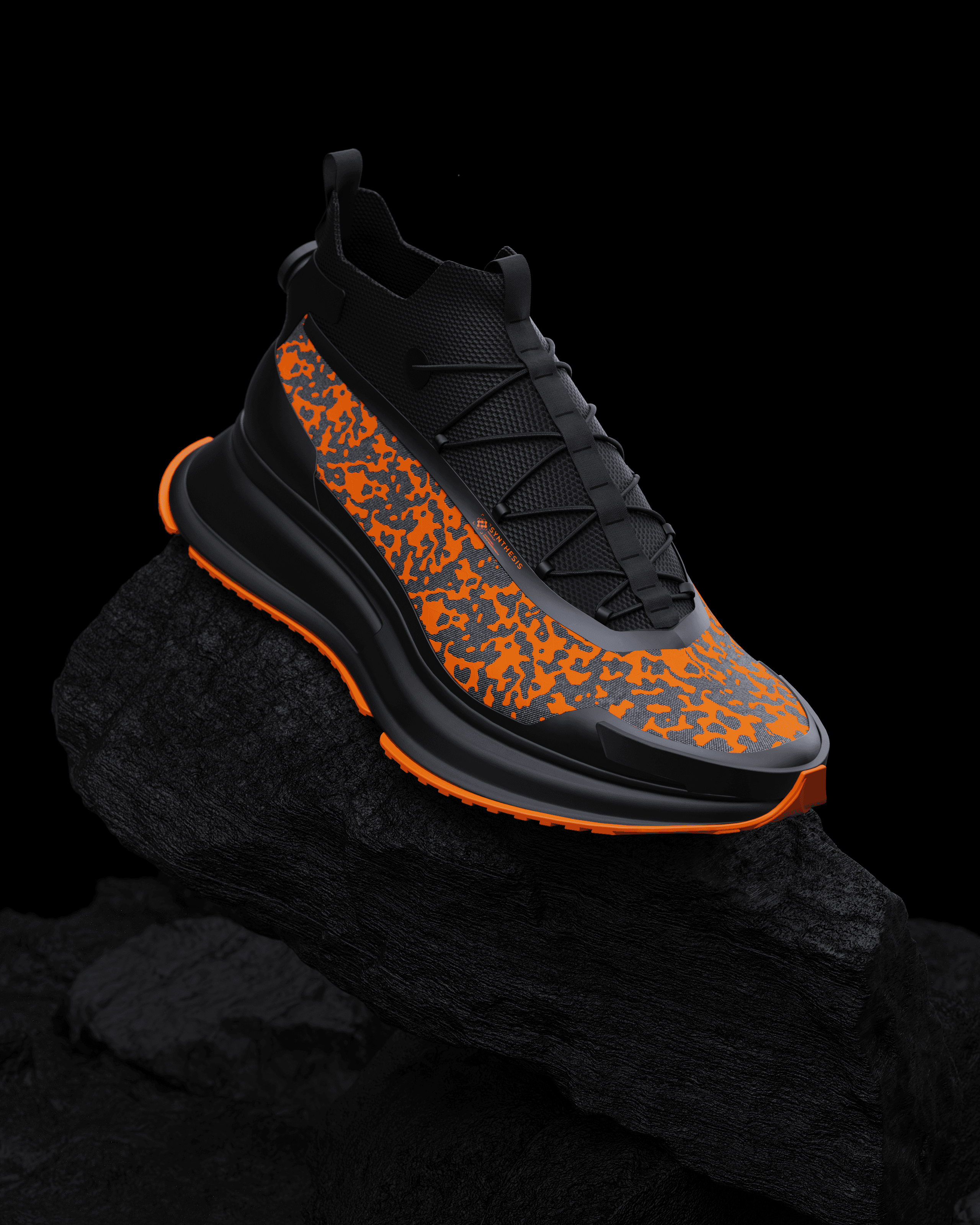
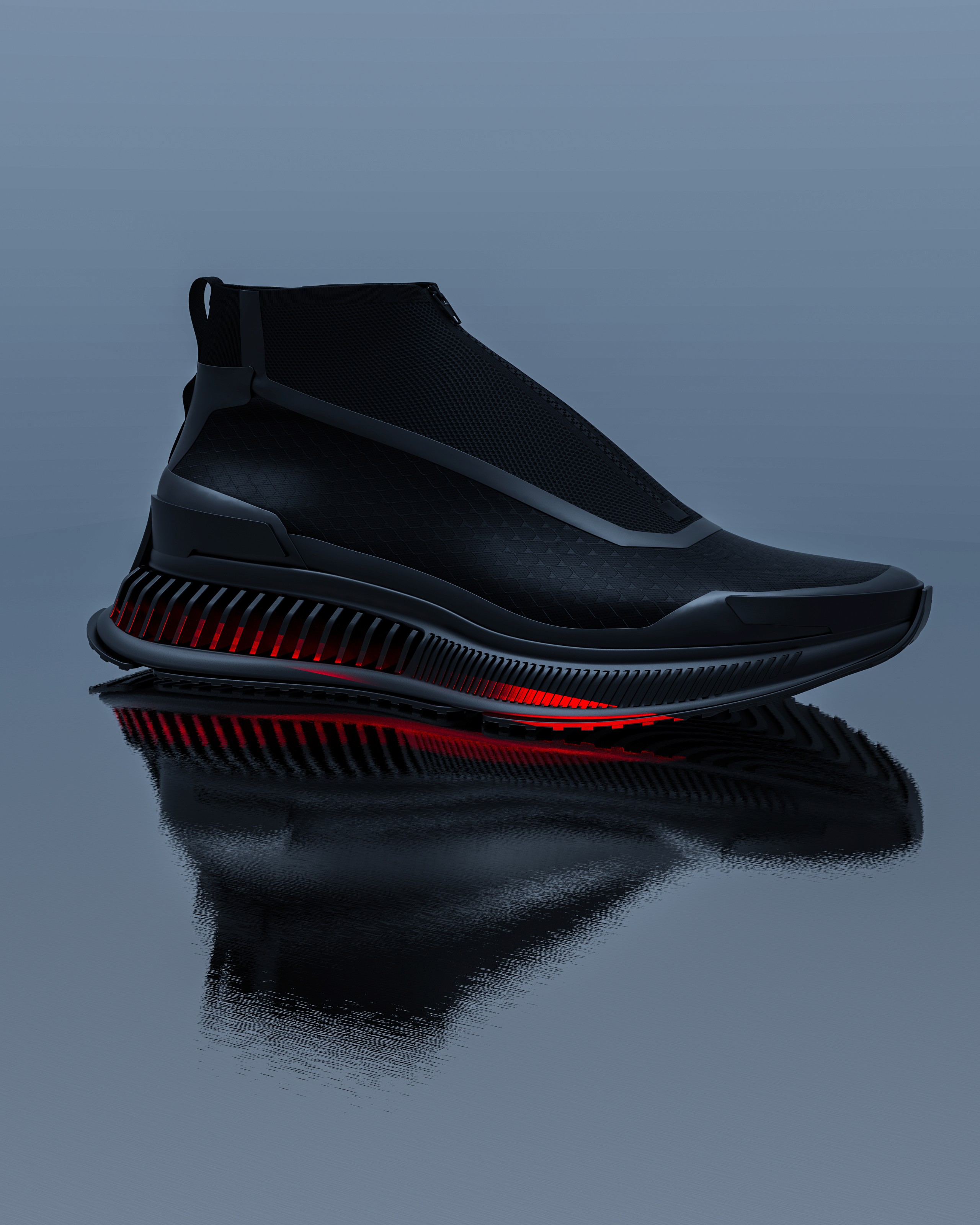
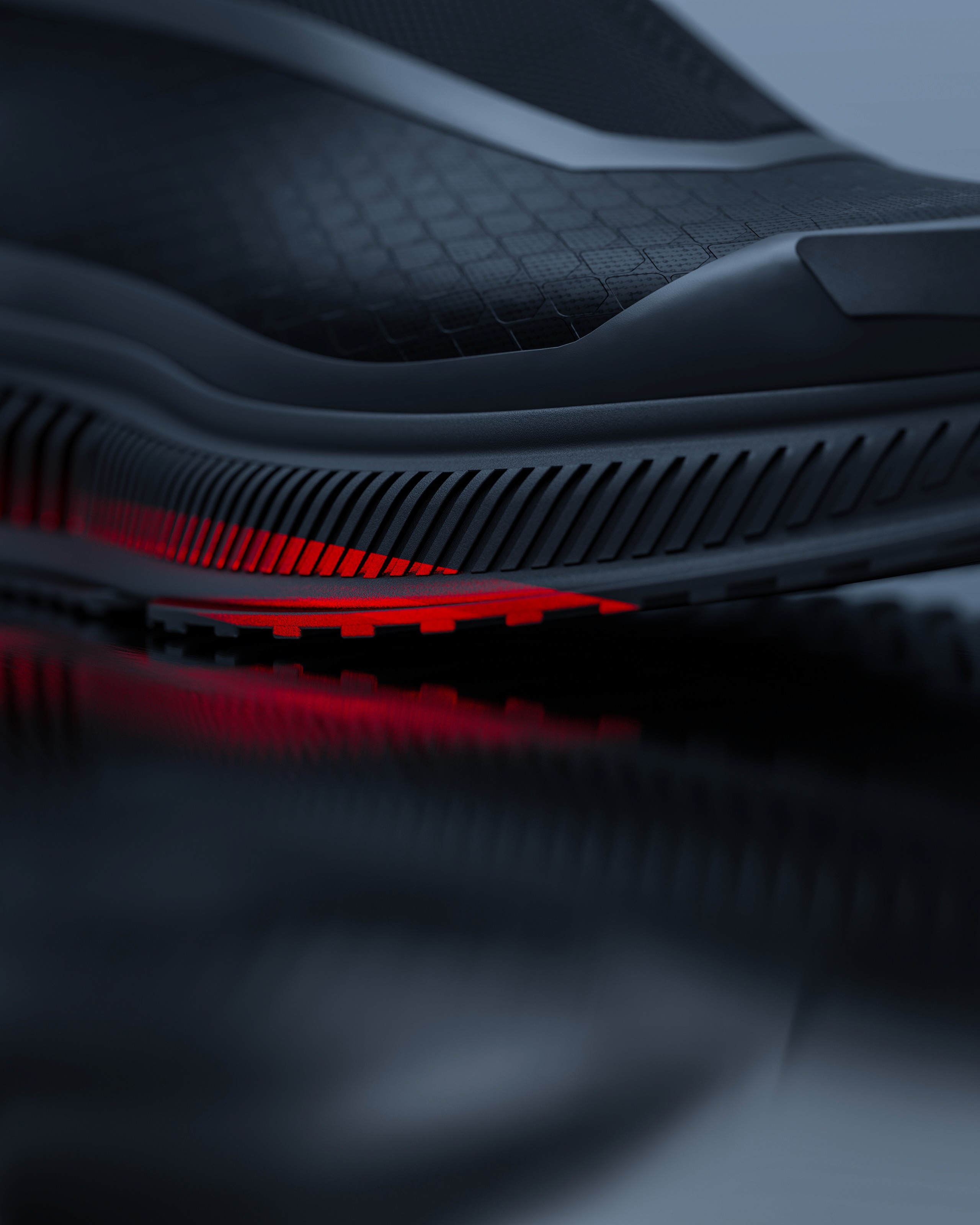
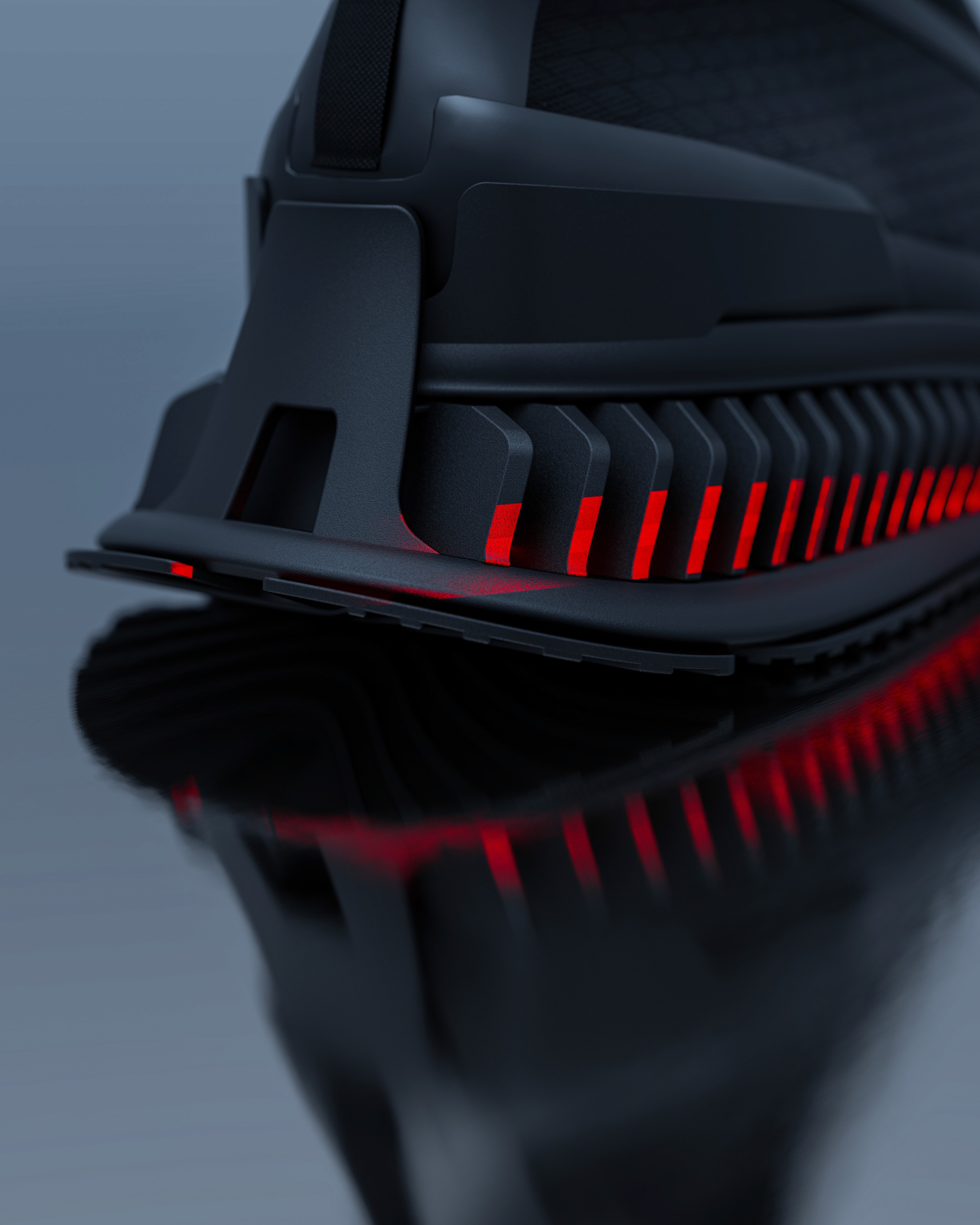
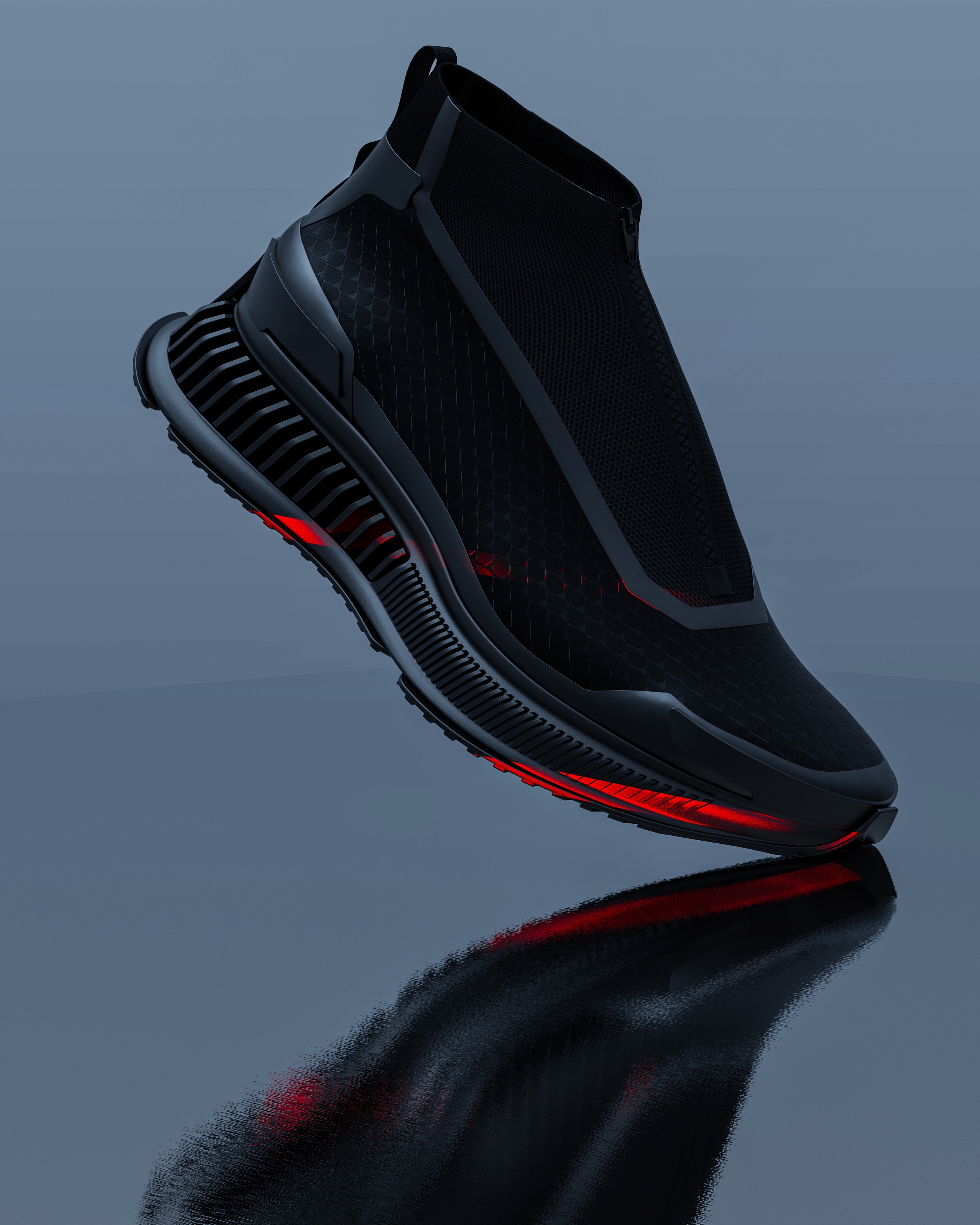
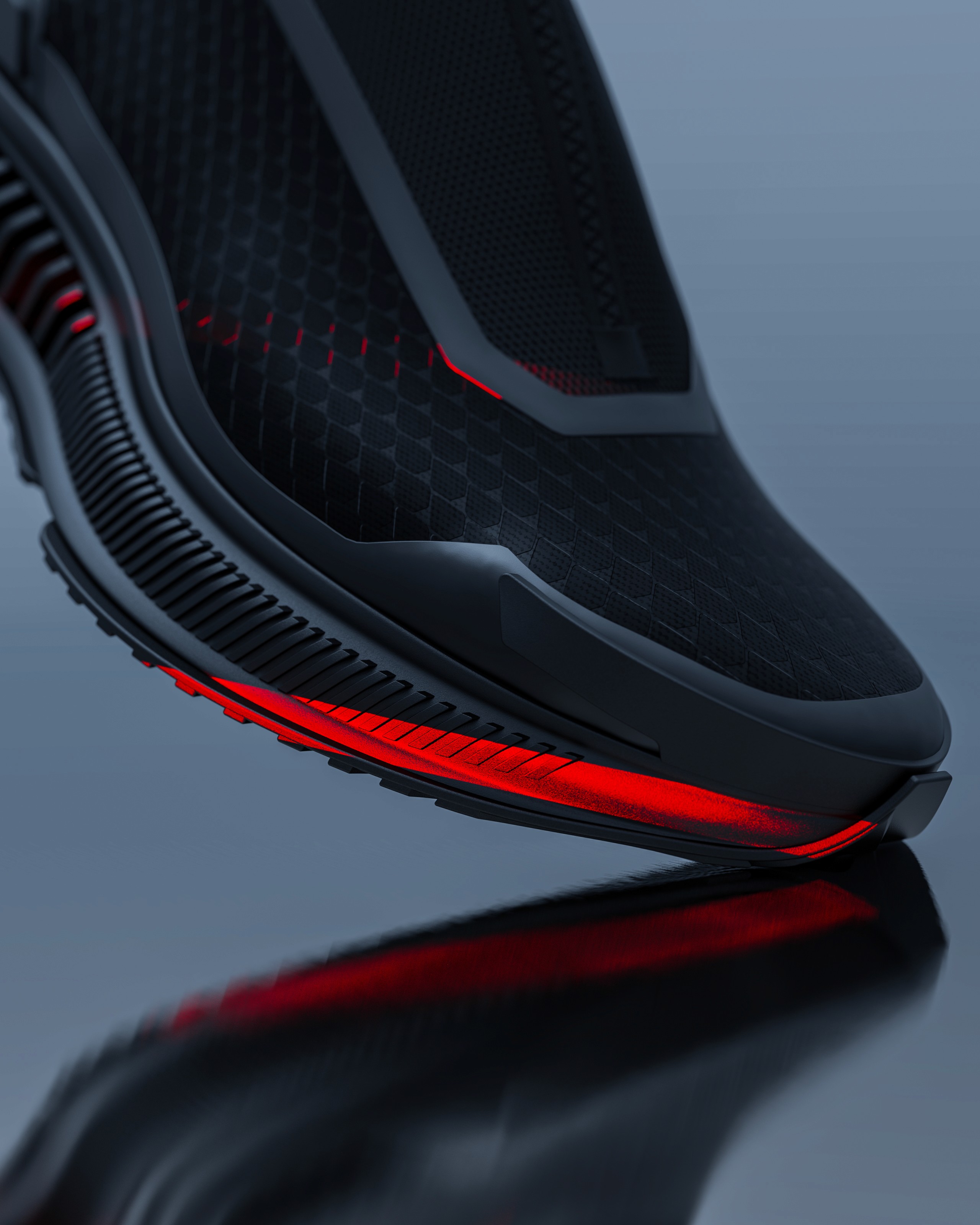
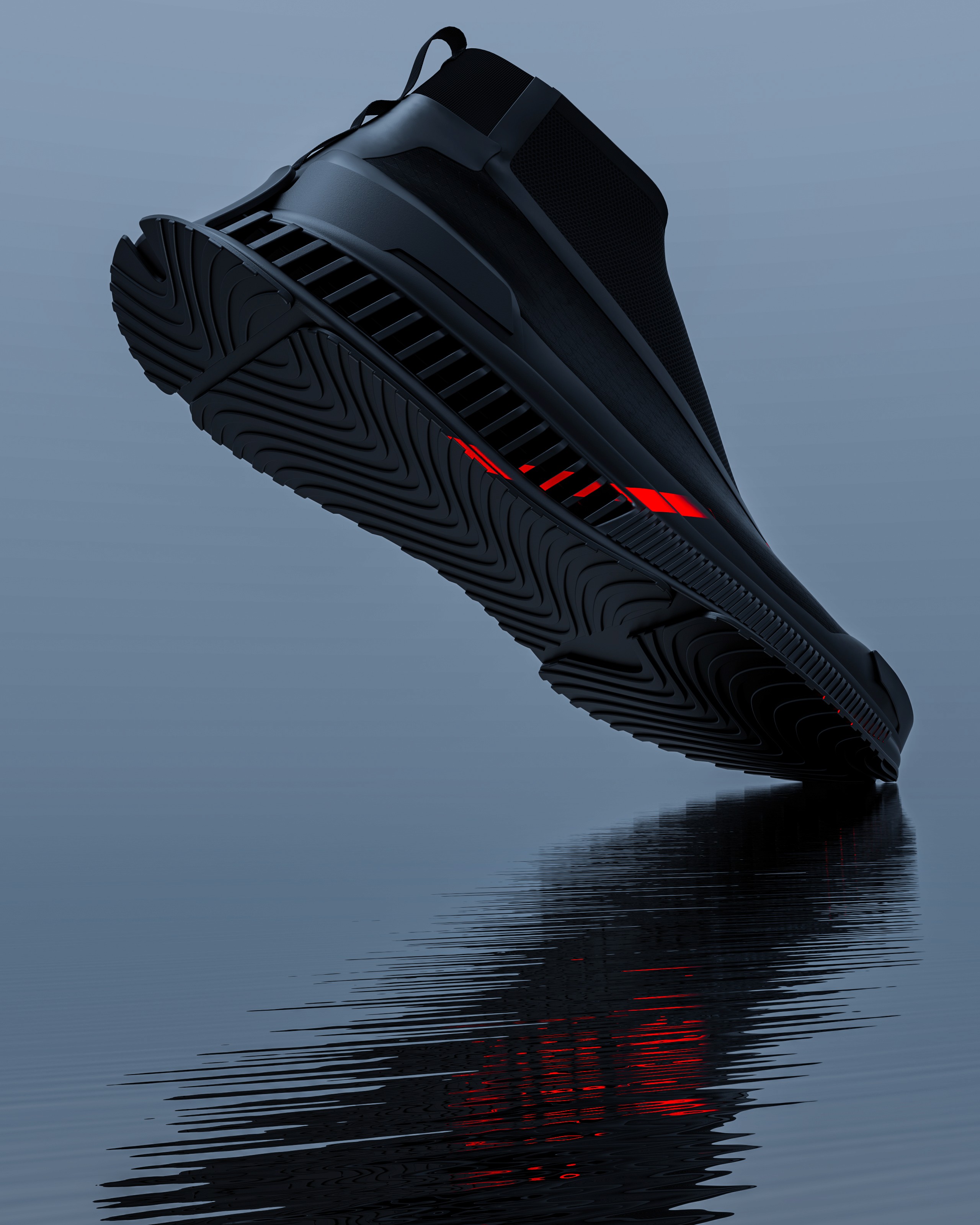
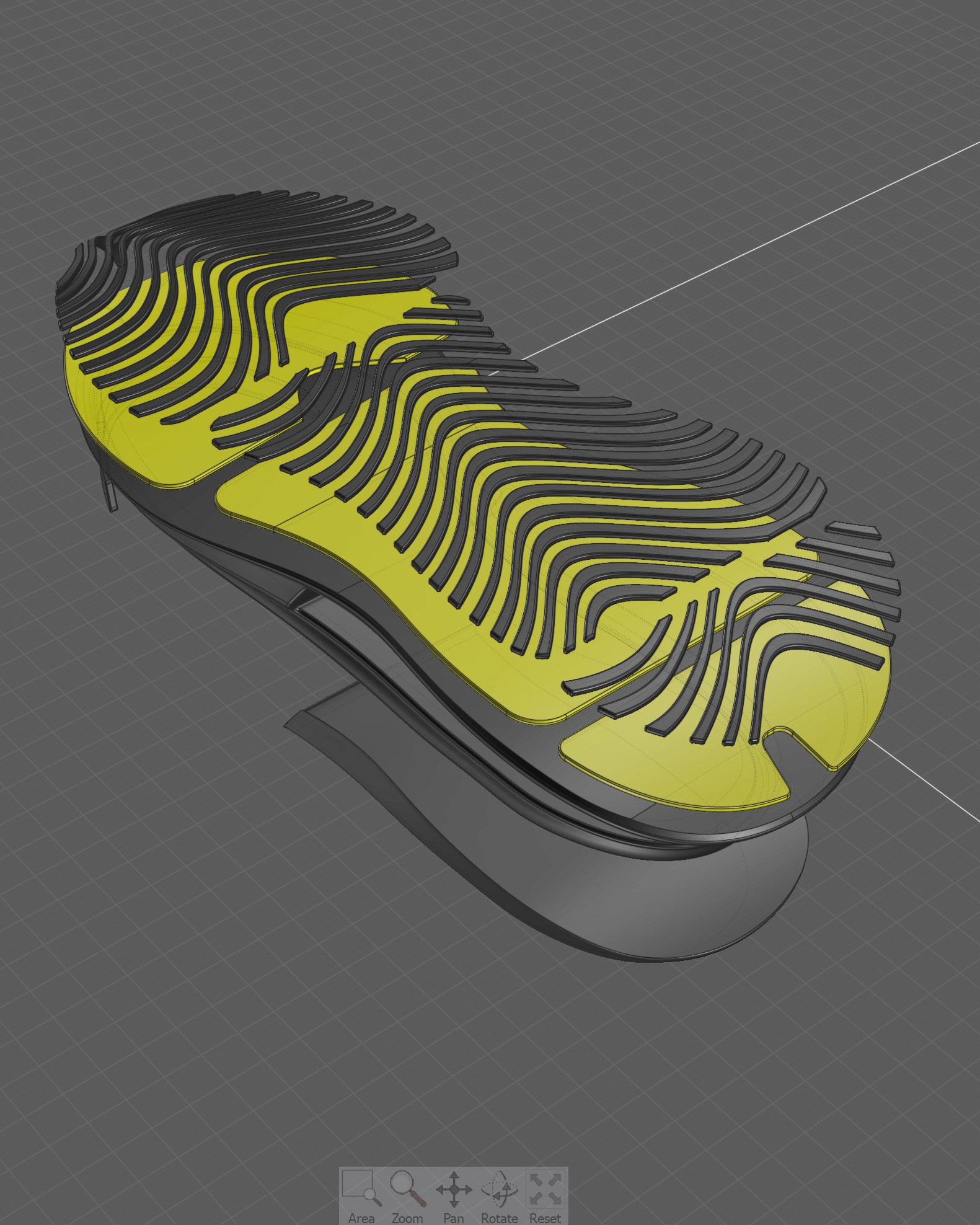
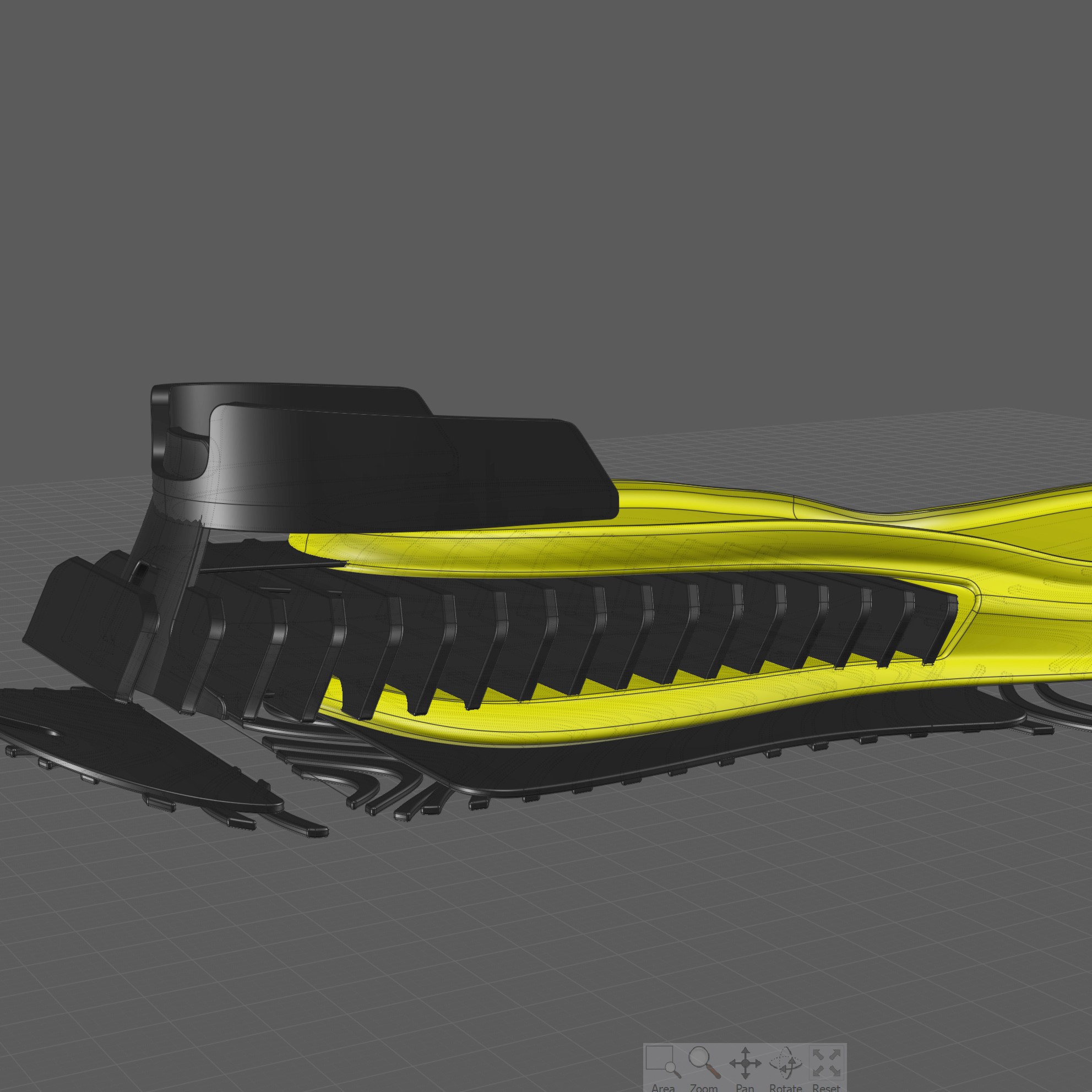
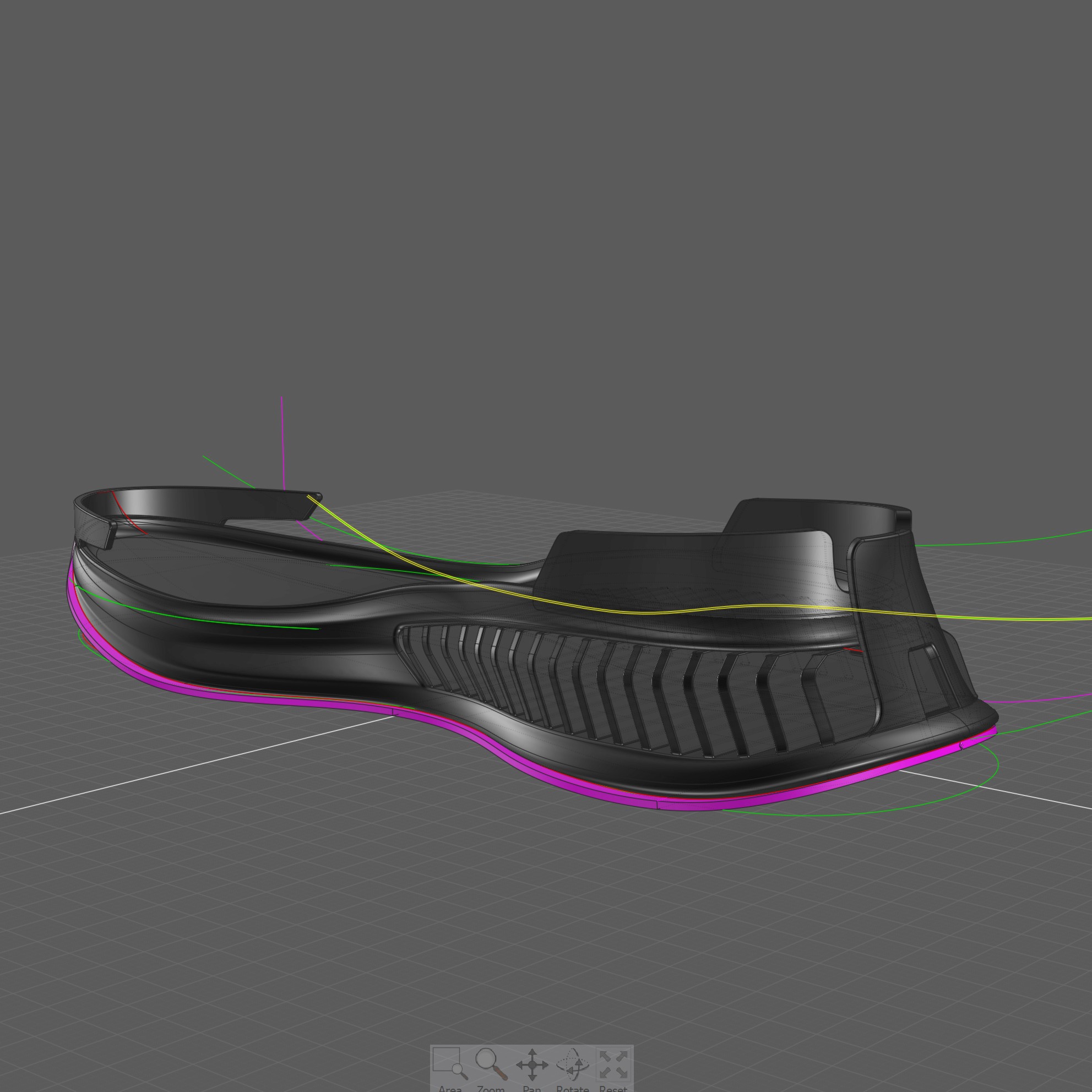
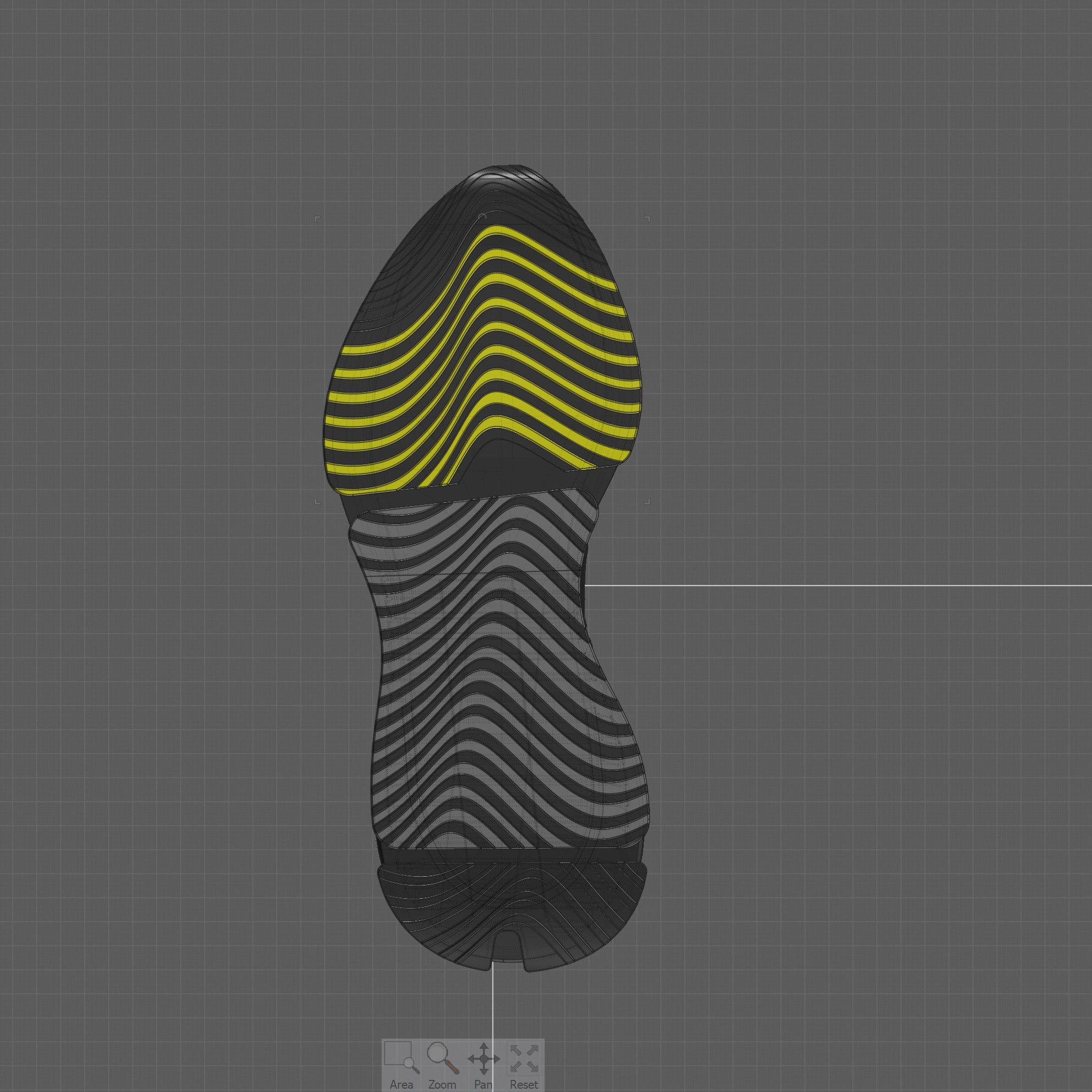
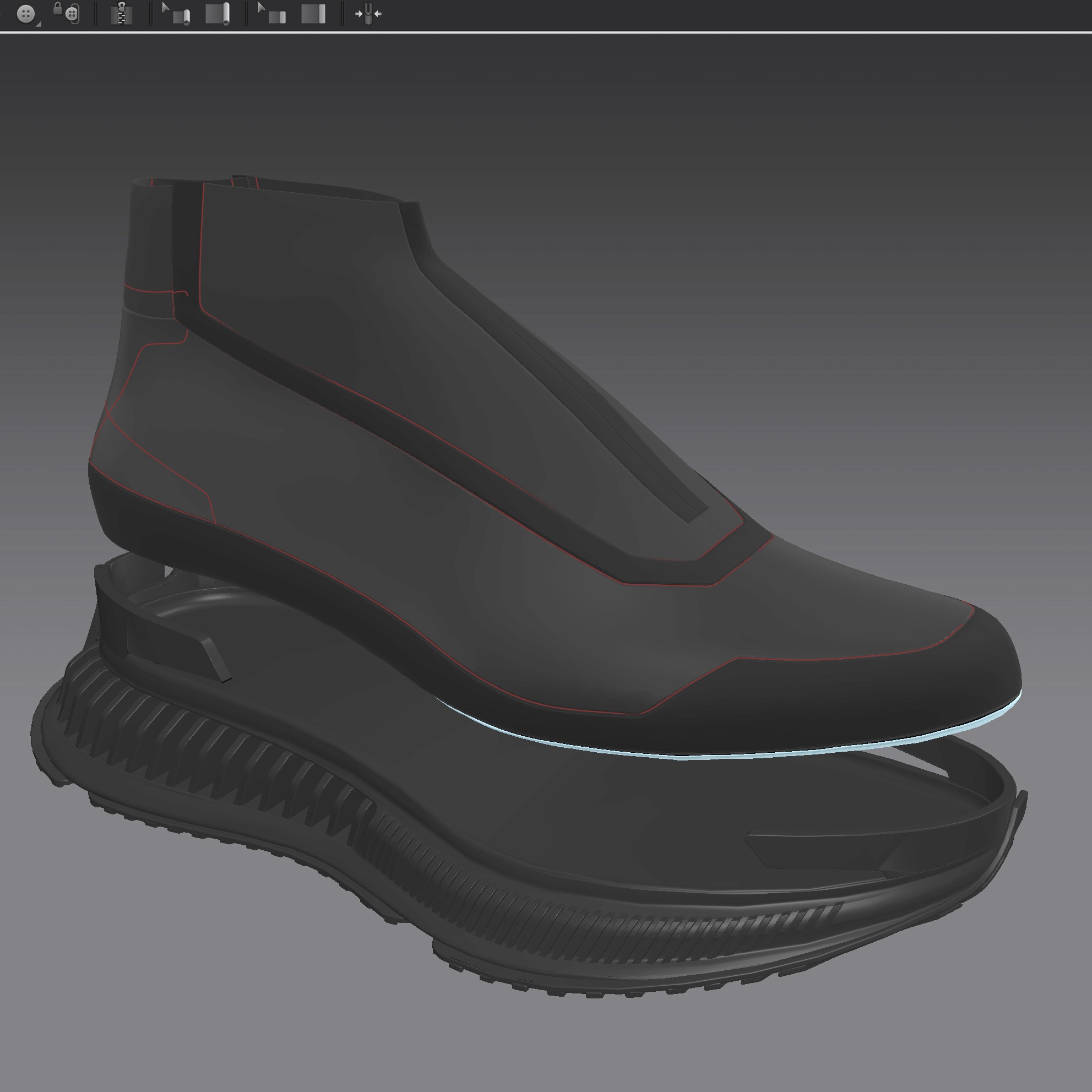
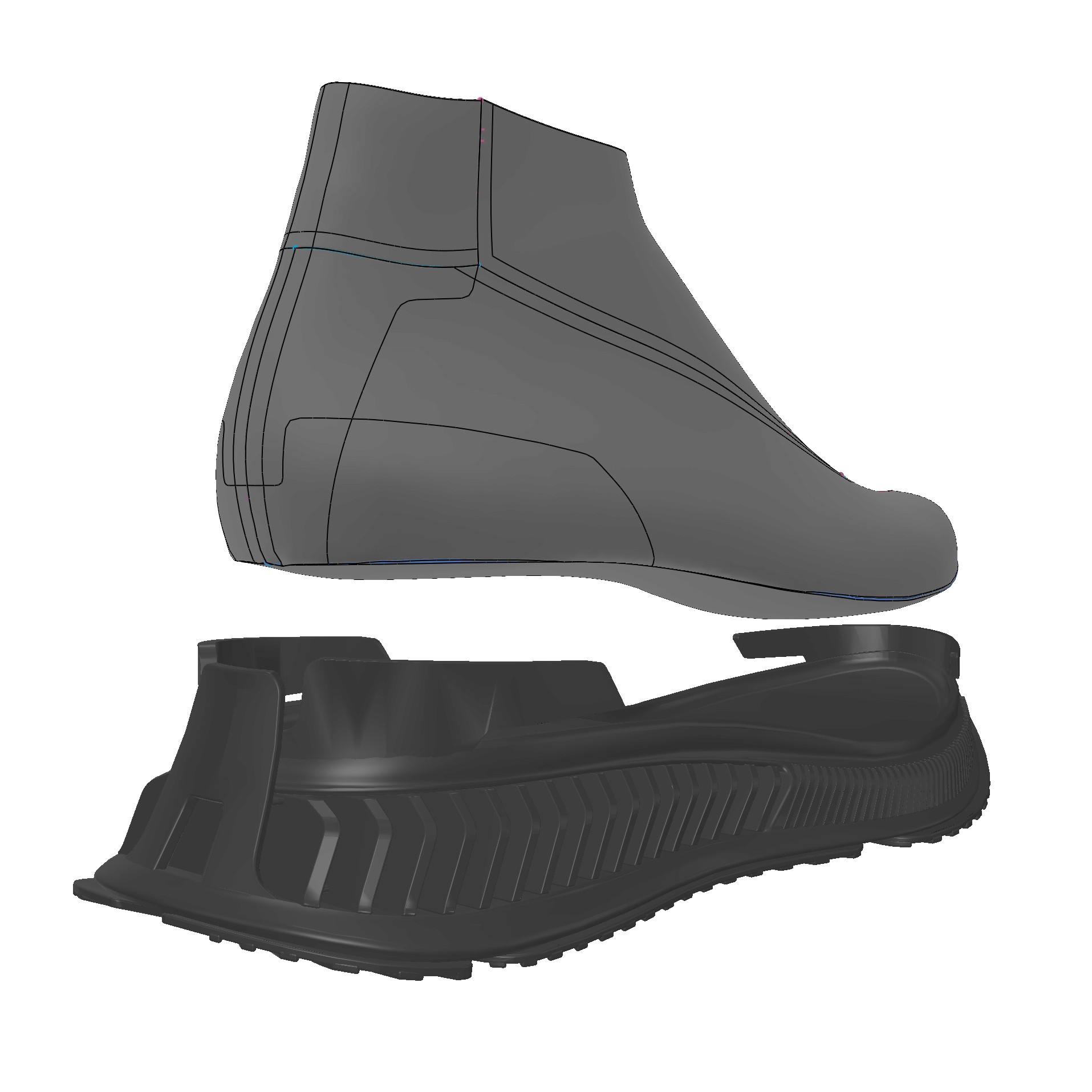
My interest in footwear comes from curiosity - Understanding how design supports movement, comfort, and style. Coming from a fashion design background, I never studied footwear formally, yet I’ve always admired it. With digital tools, I can now explore and learn this field hands-on - experimenting, testing, and discovering along the way.
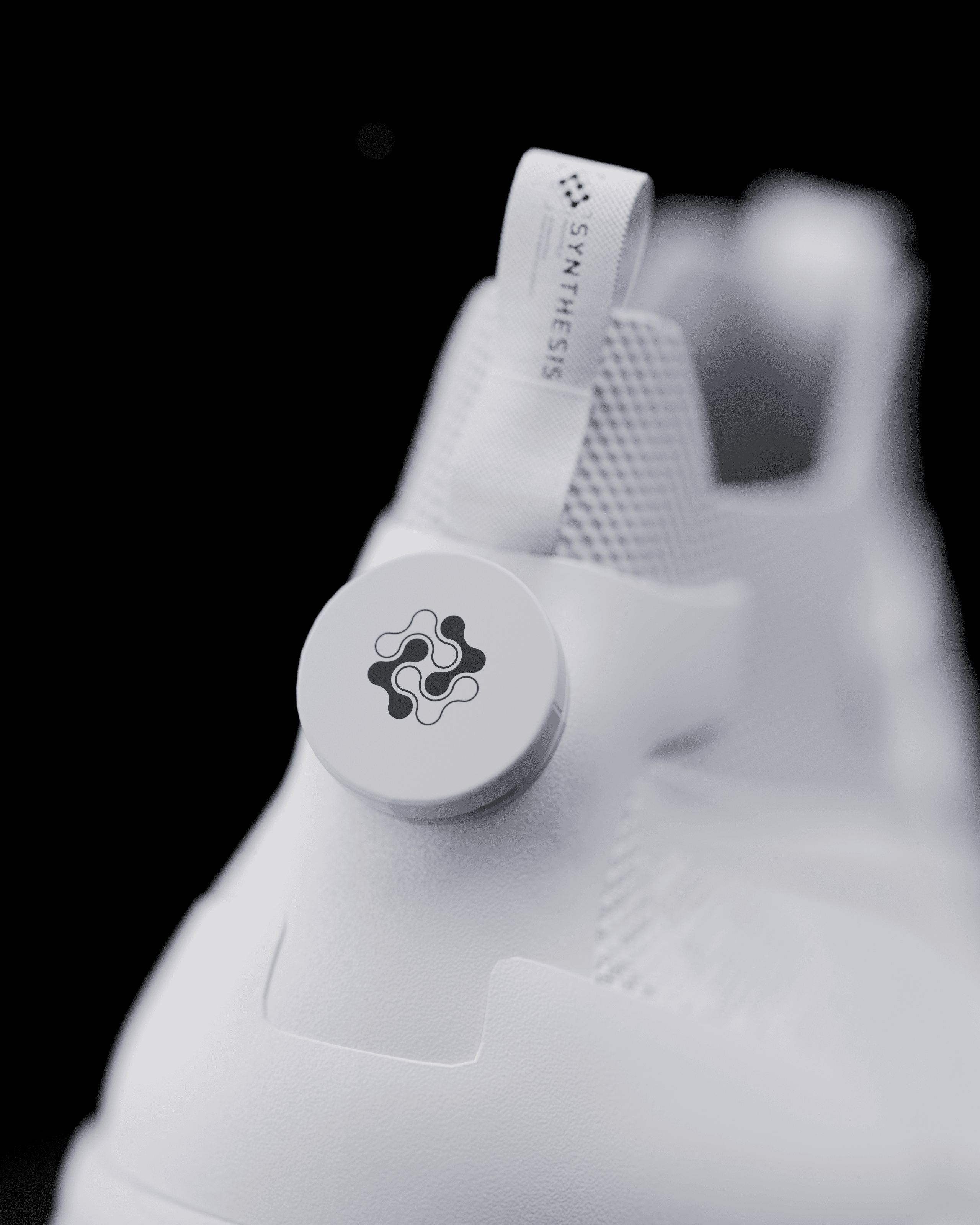
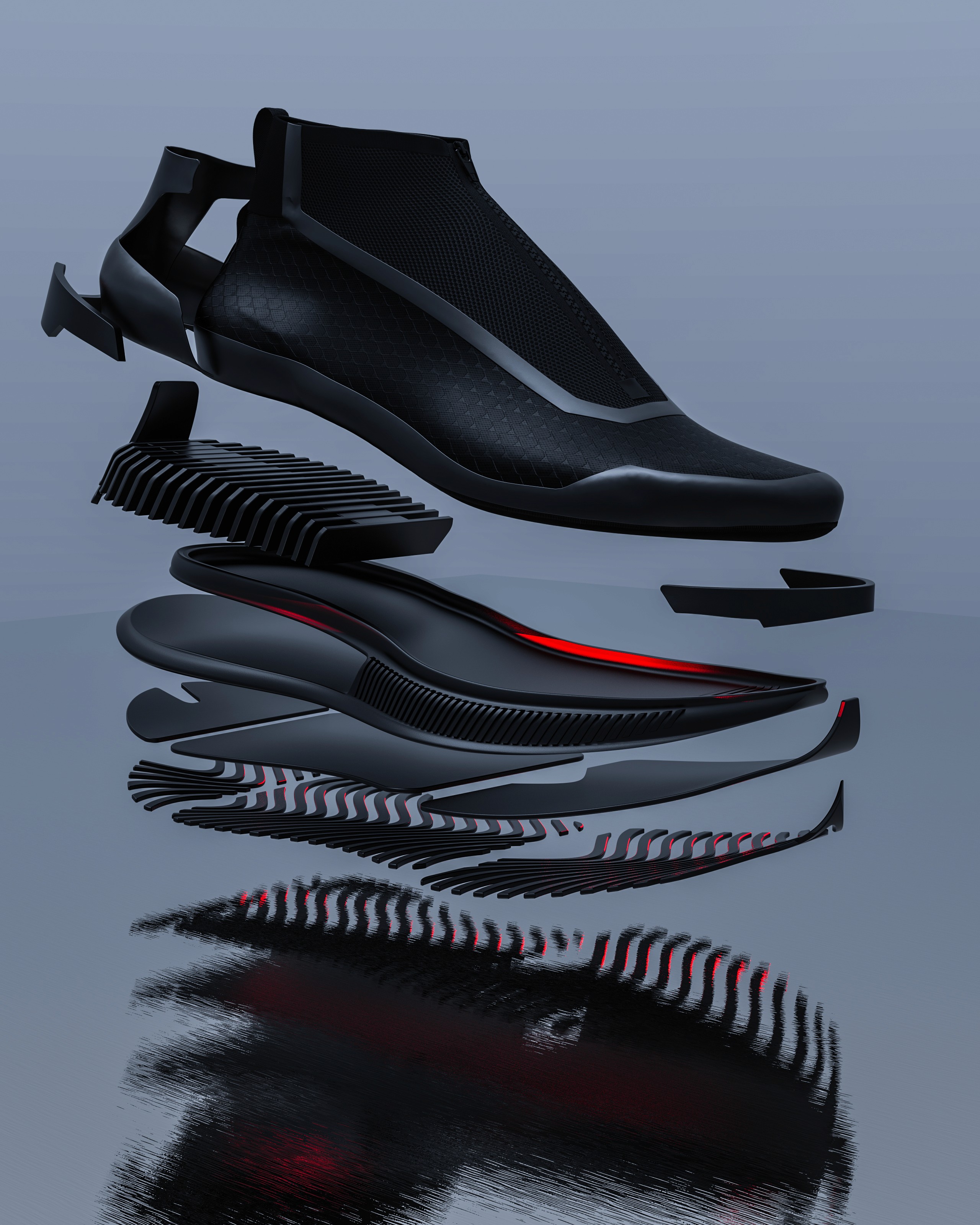
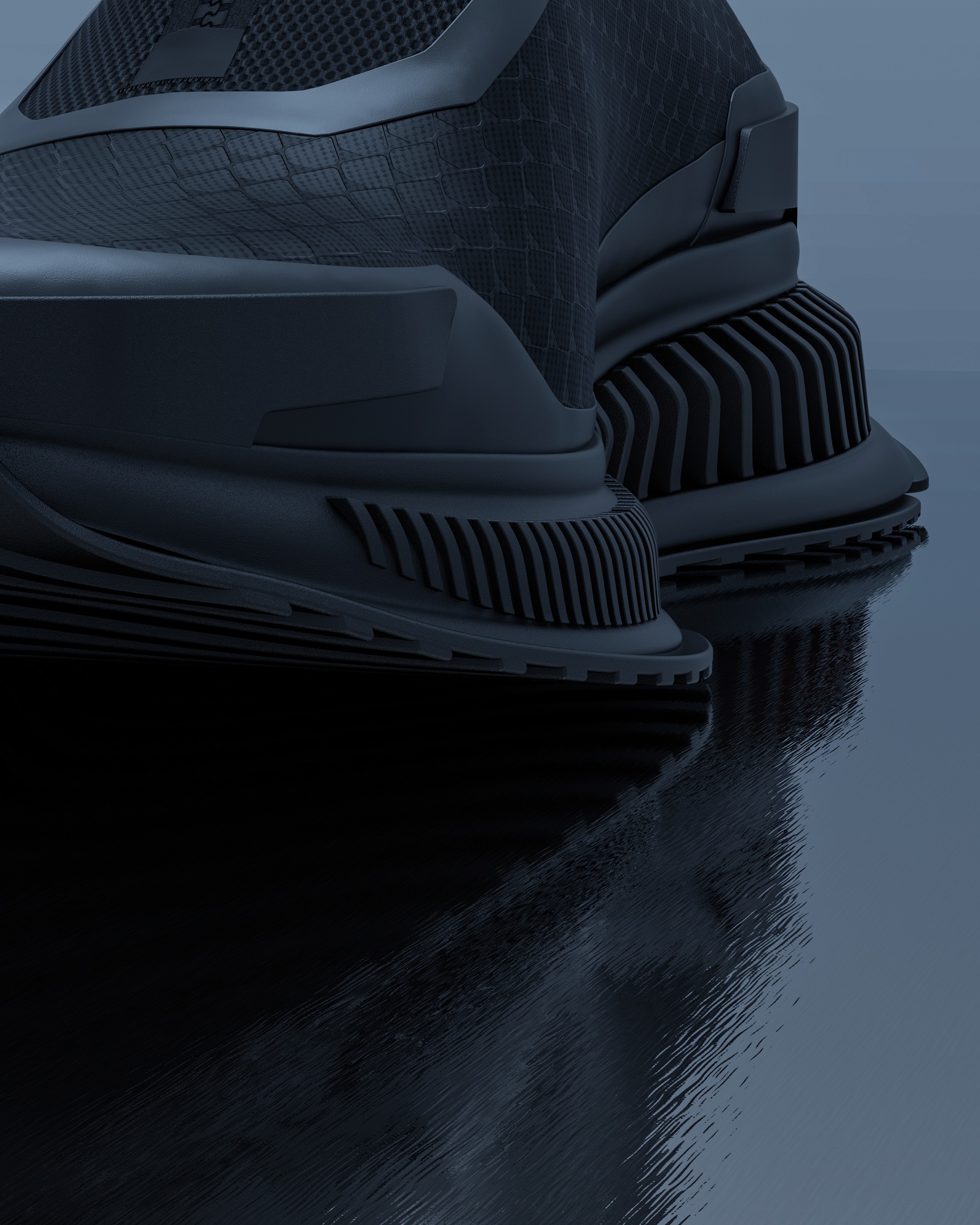
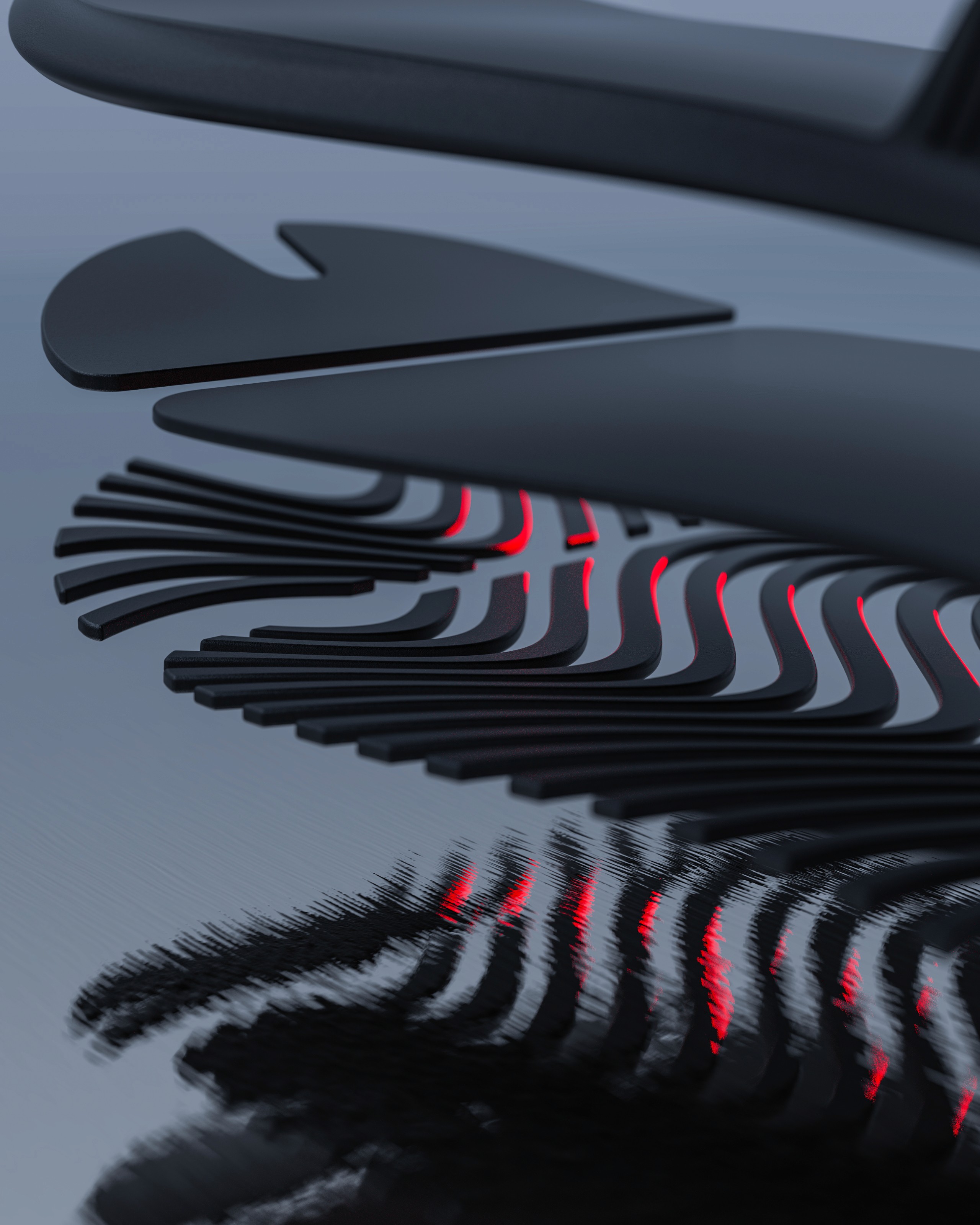
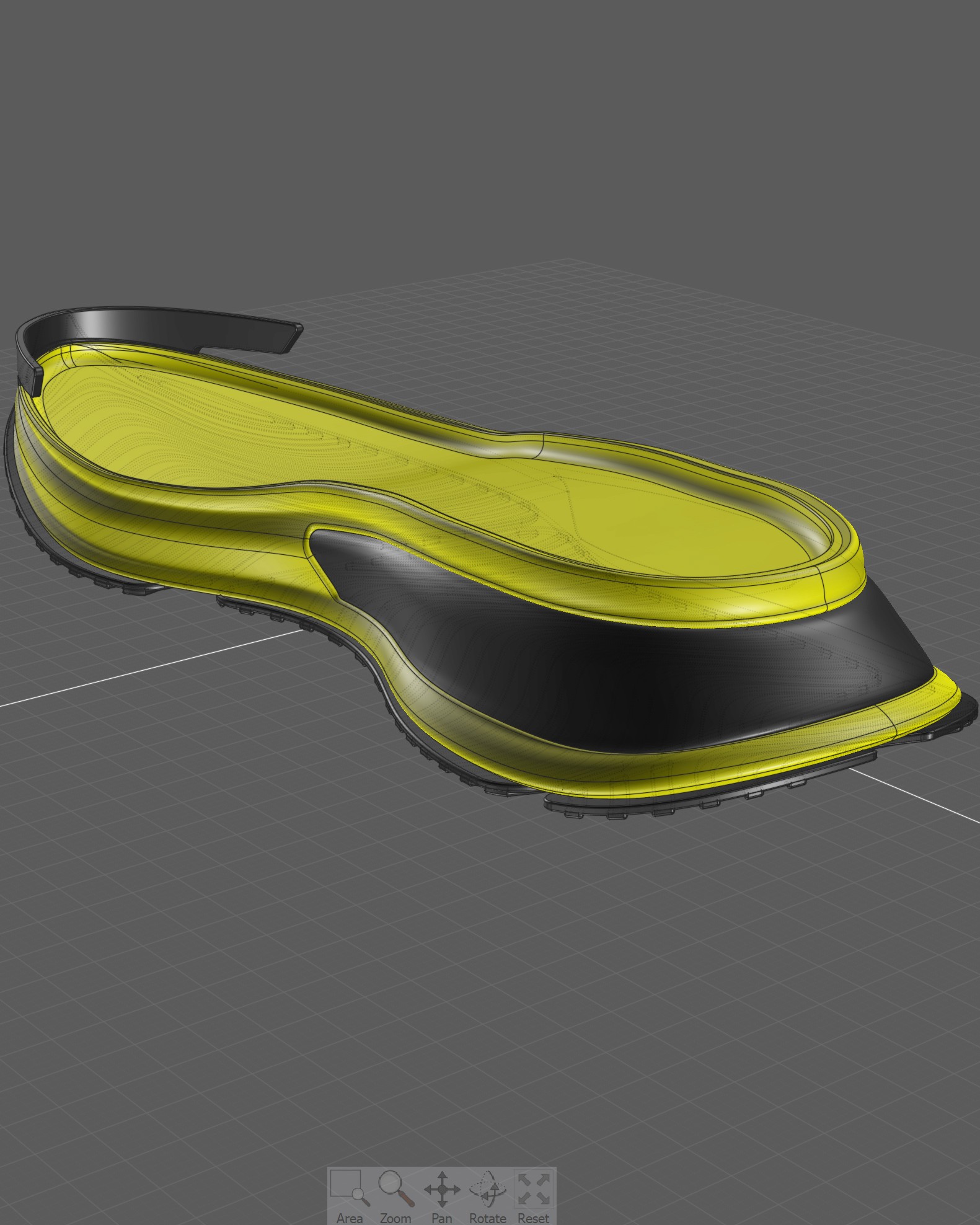
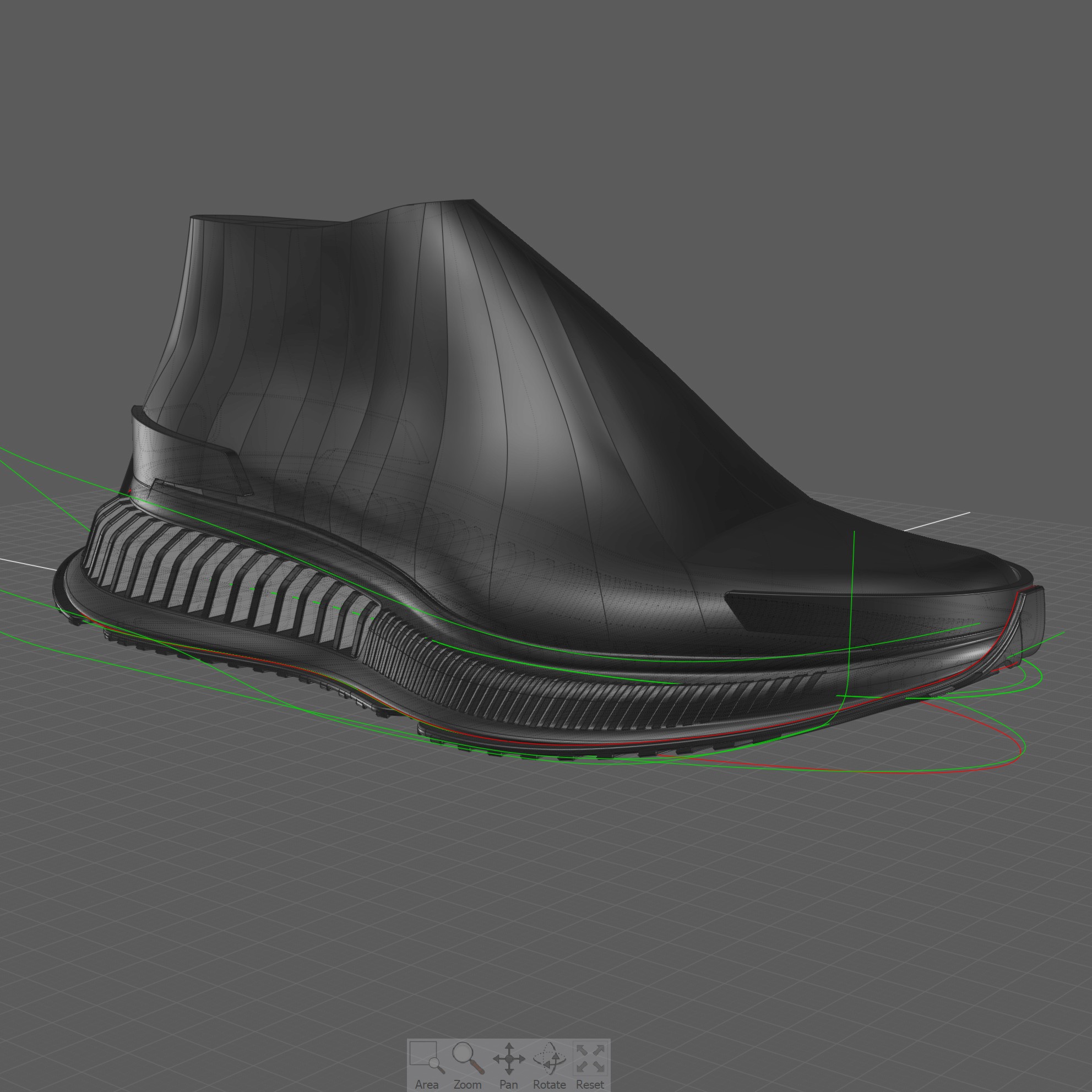
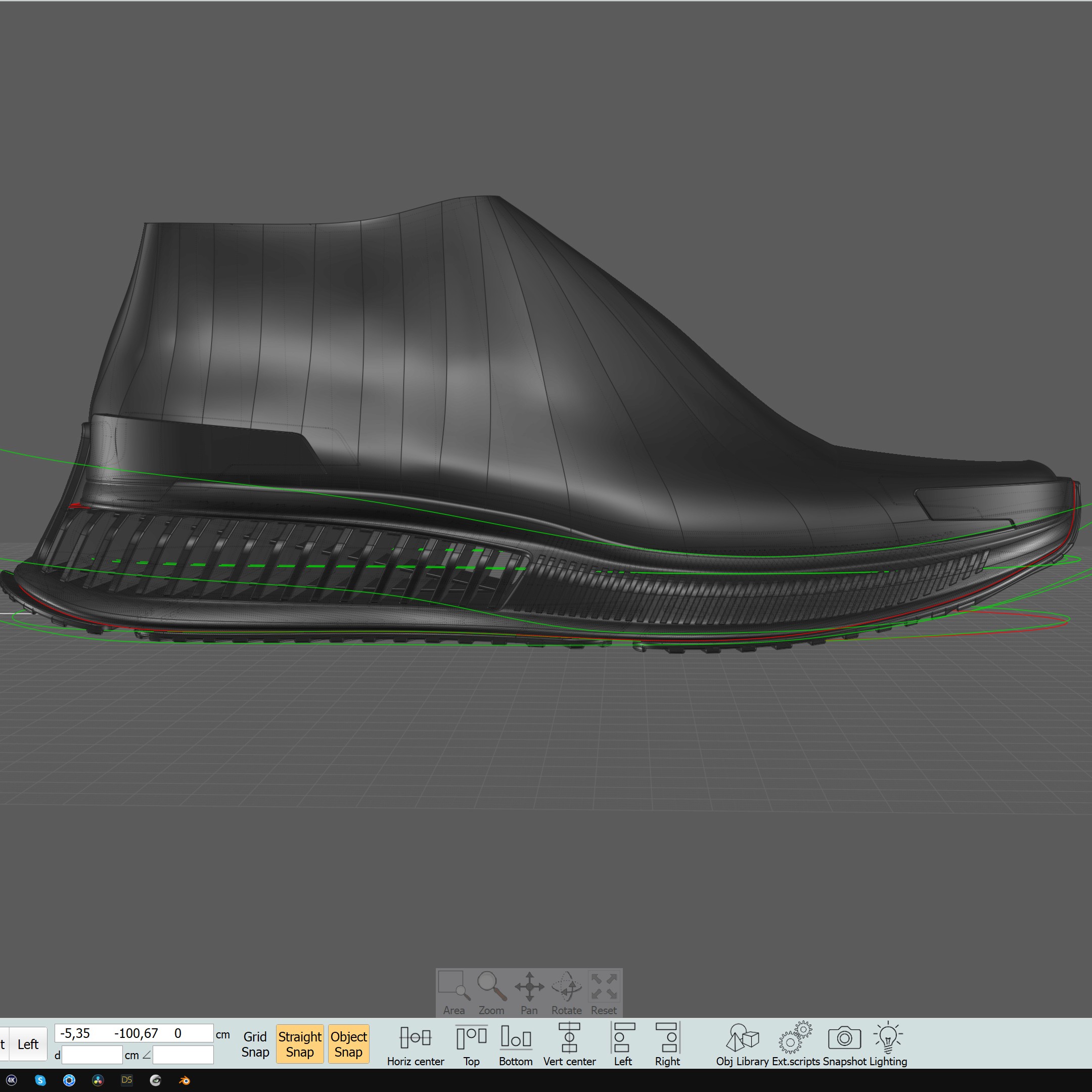
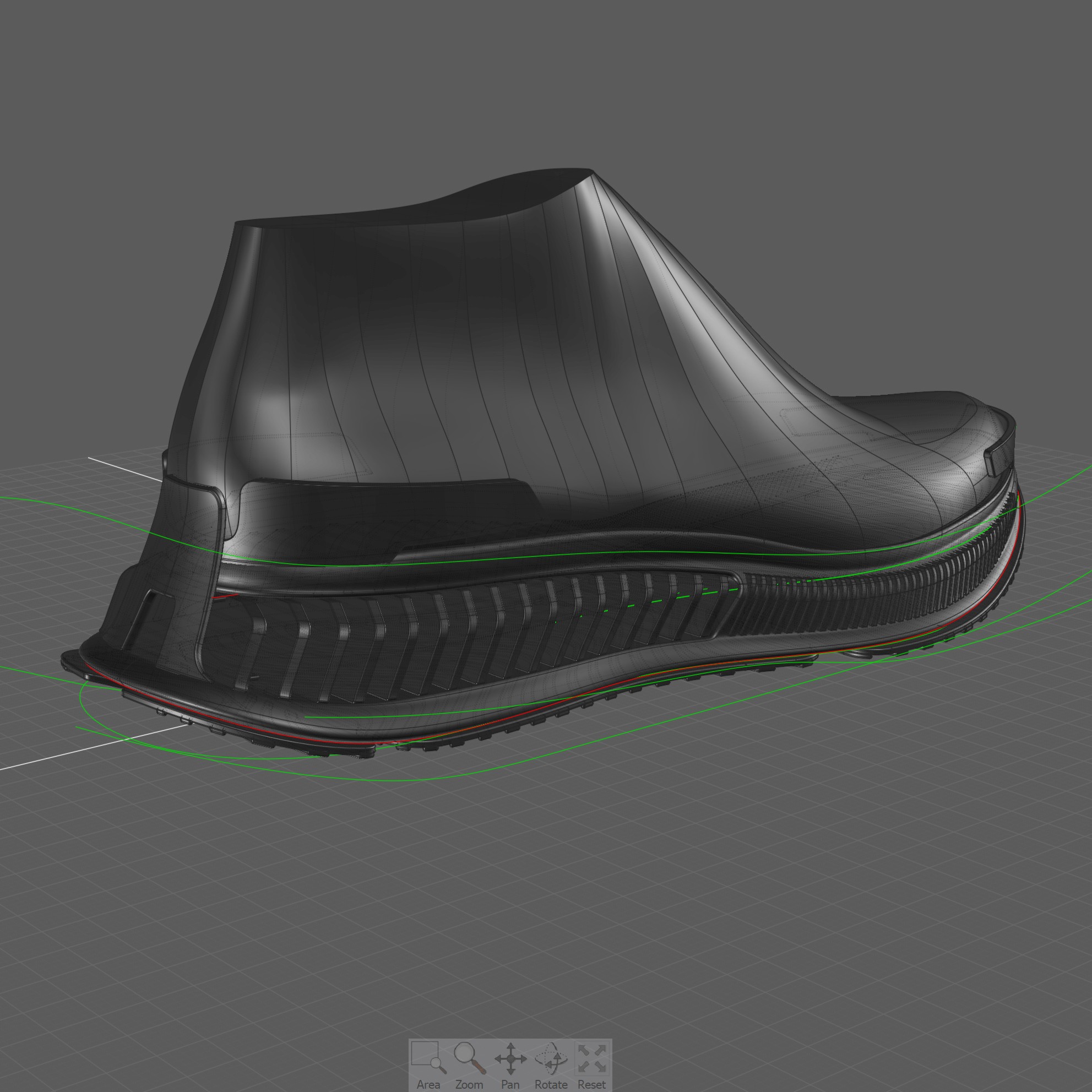
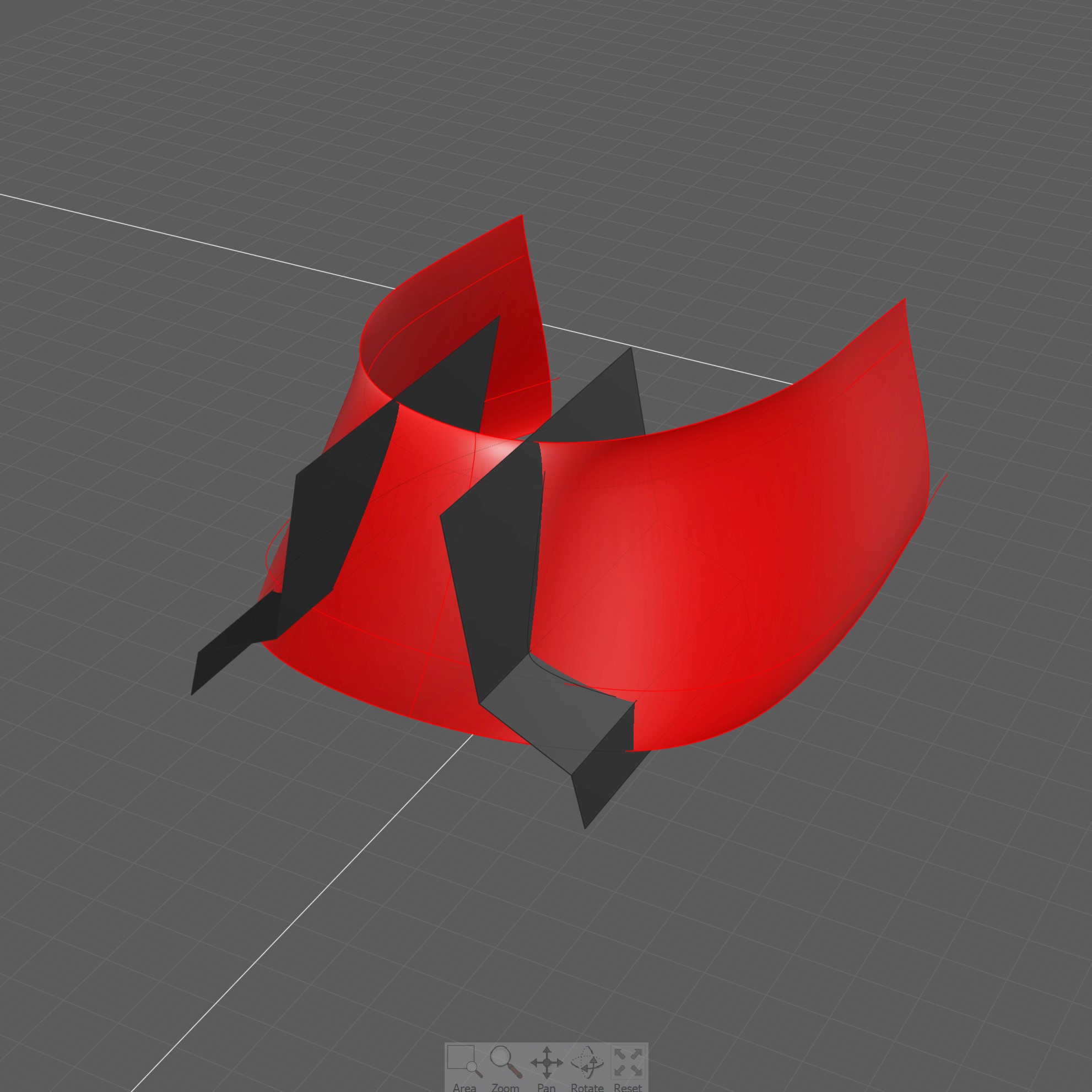
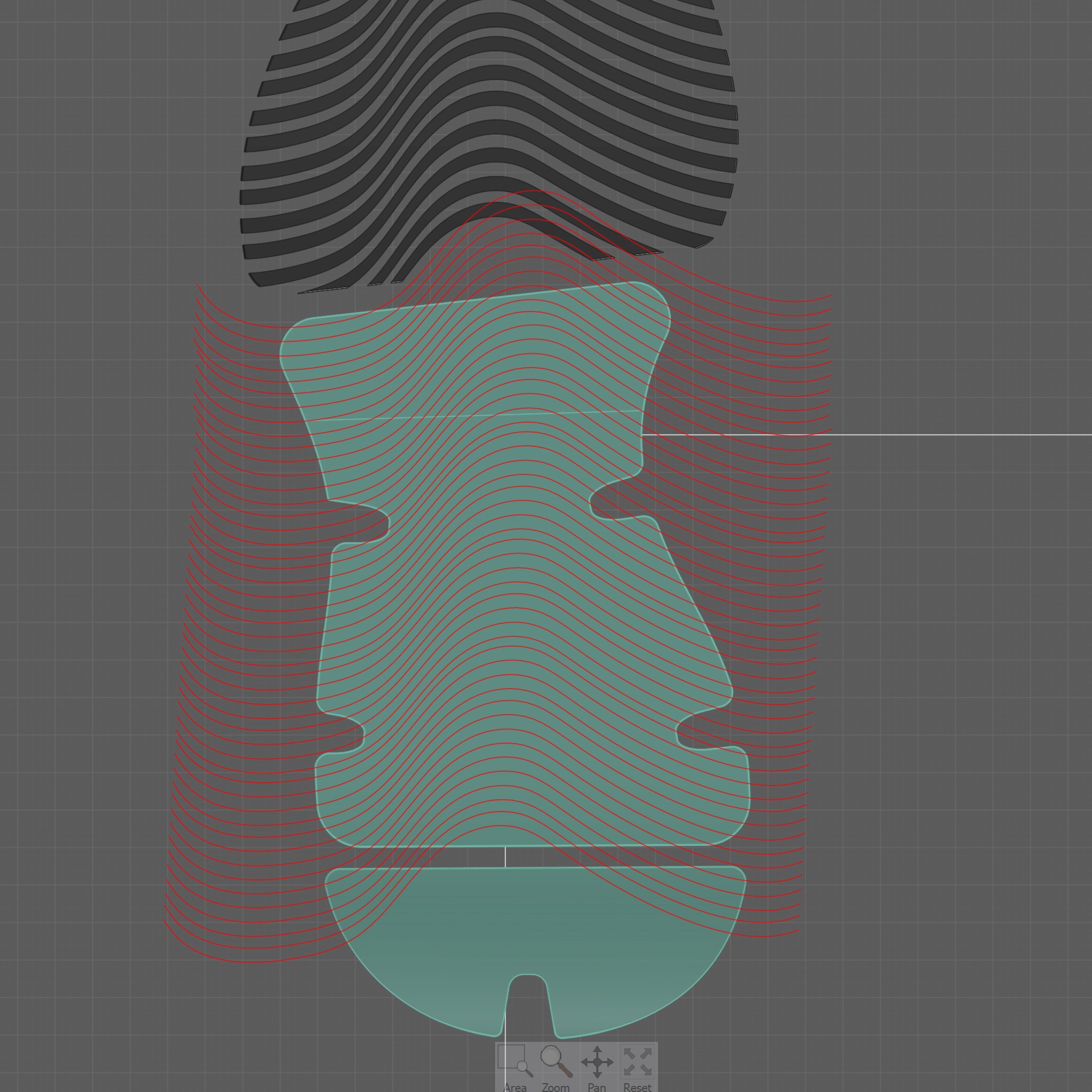
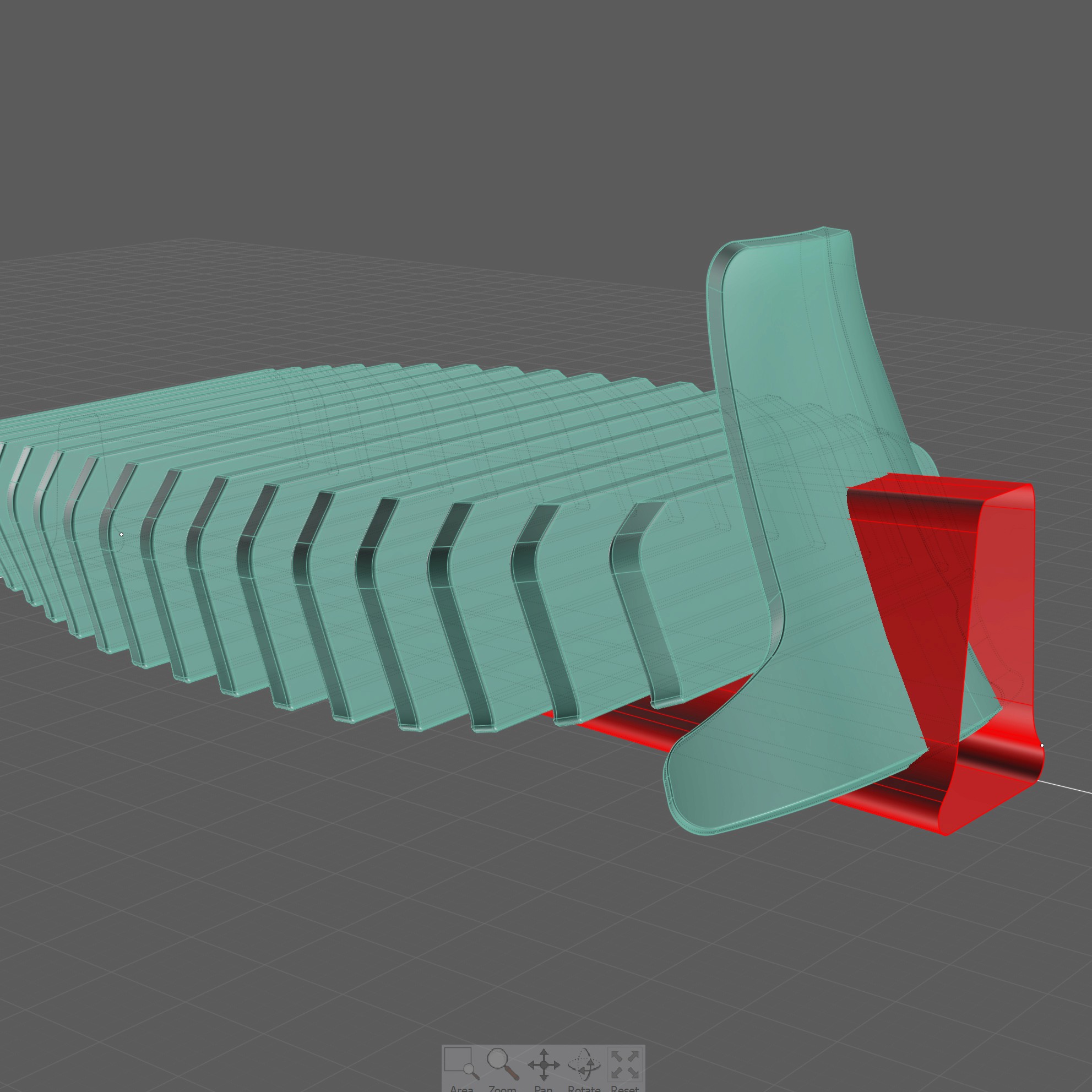
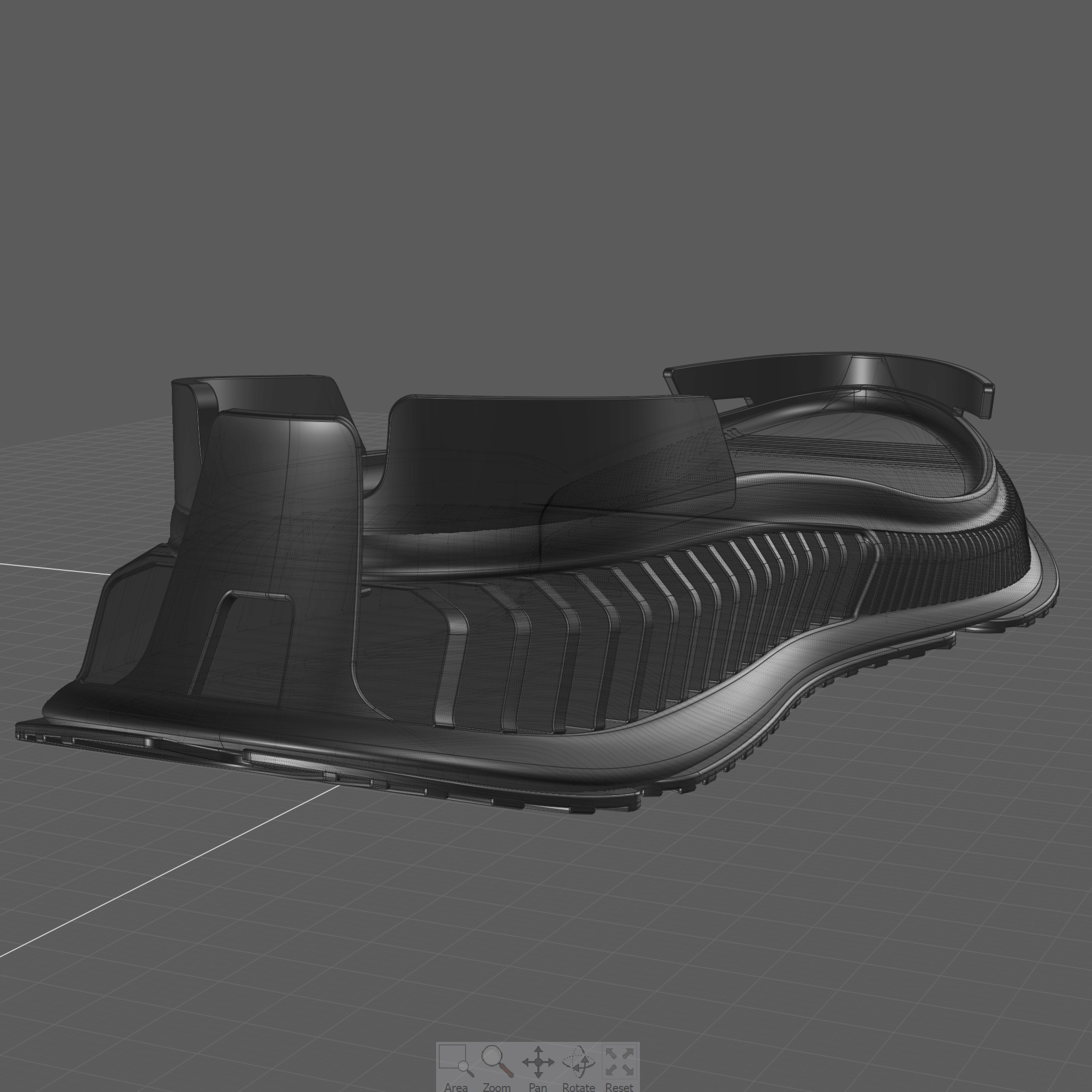
I see sneakers as small pieces of a sculpture - built to perform while expressing unique style. I usually begin by jumping straight into 3D, developing patterns and exploring form through digital simulations. This approach lets me apply my apparel experience in a more sculptural way - testing proportions, refining ideas, and seeing what truly works.
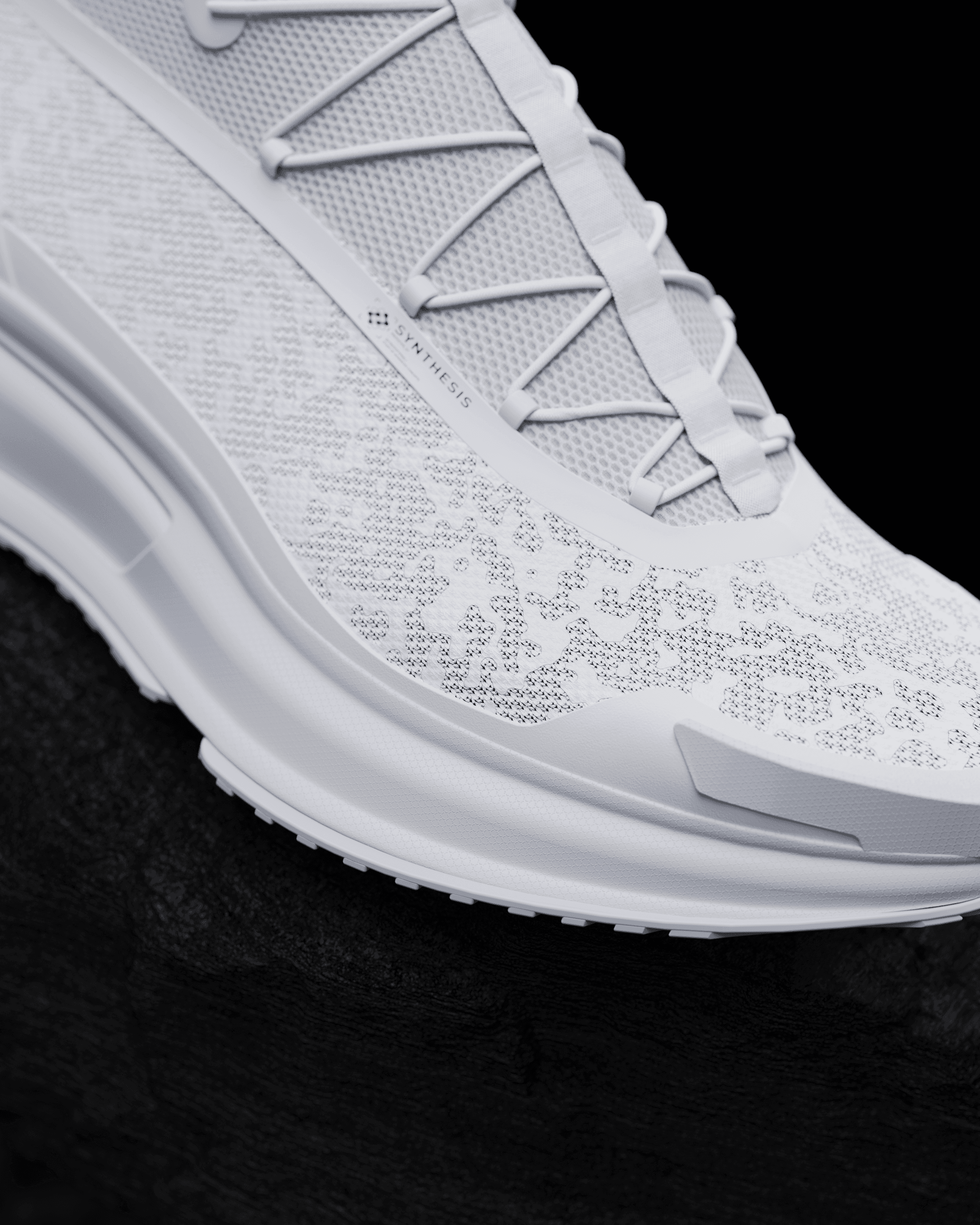
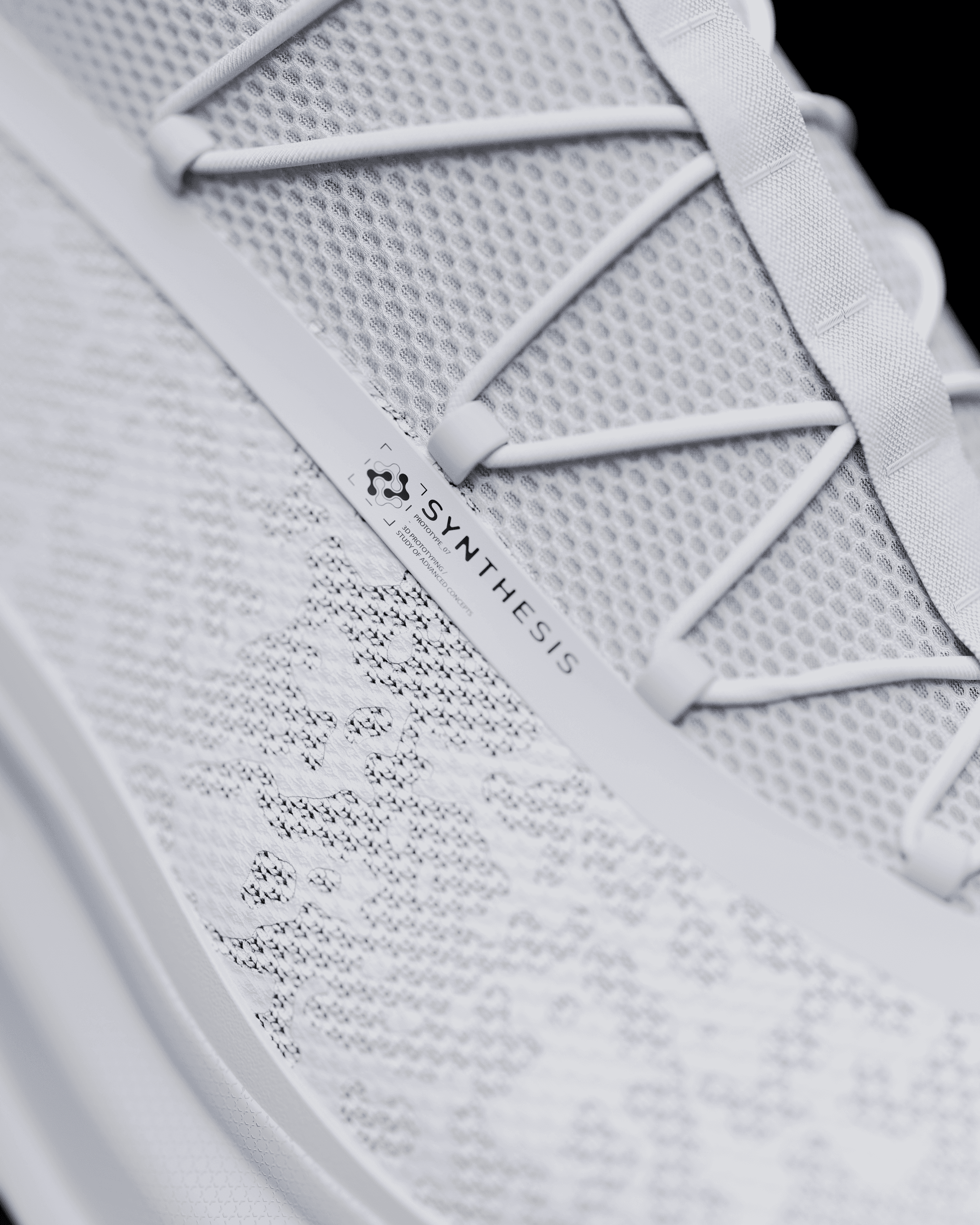
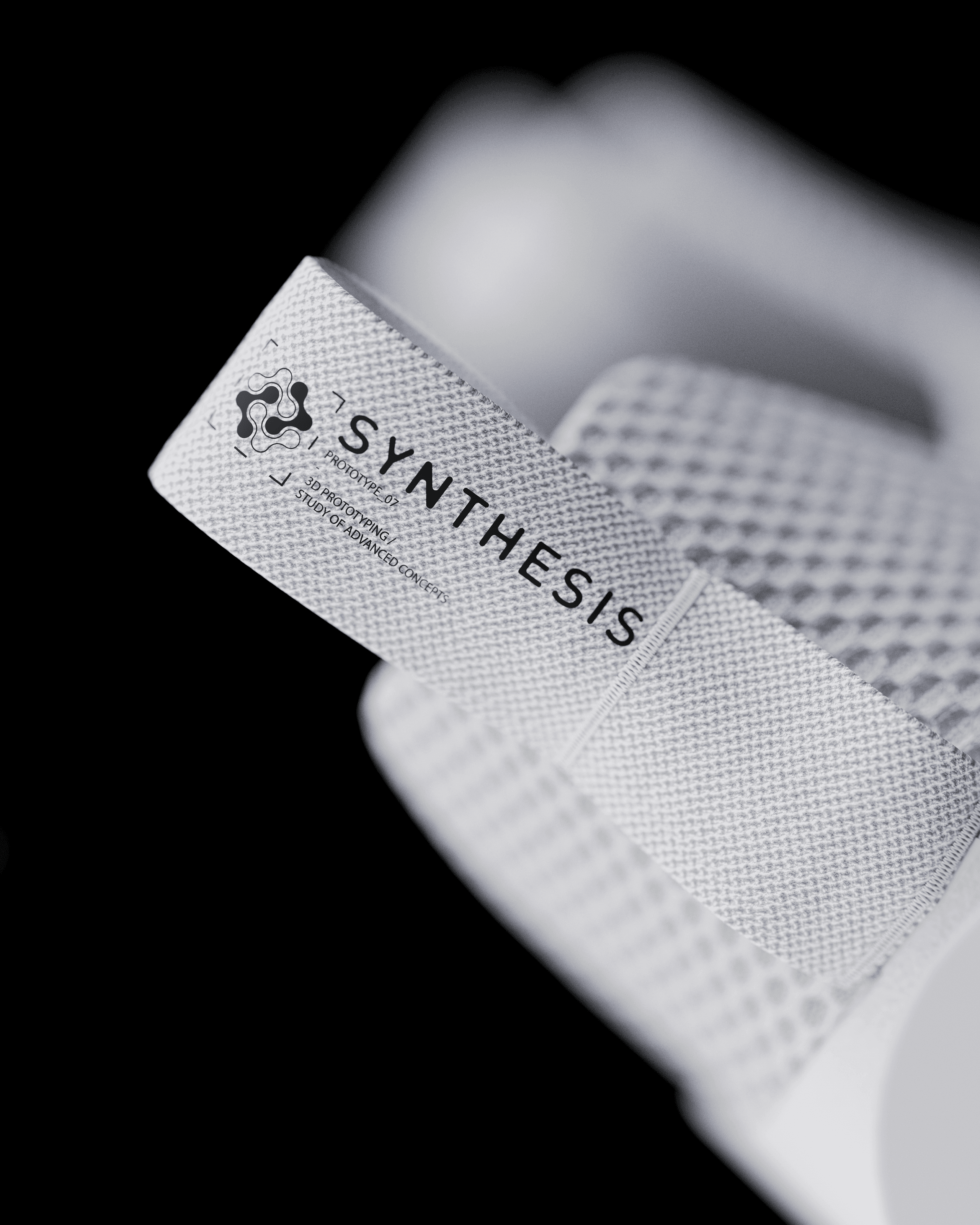
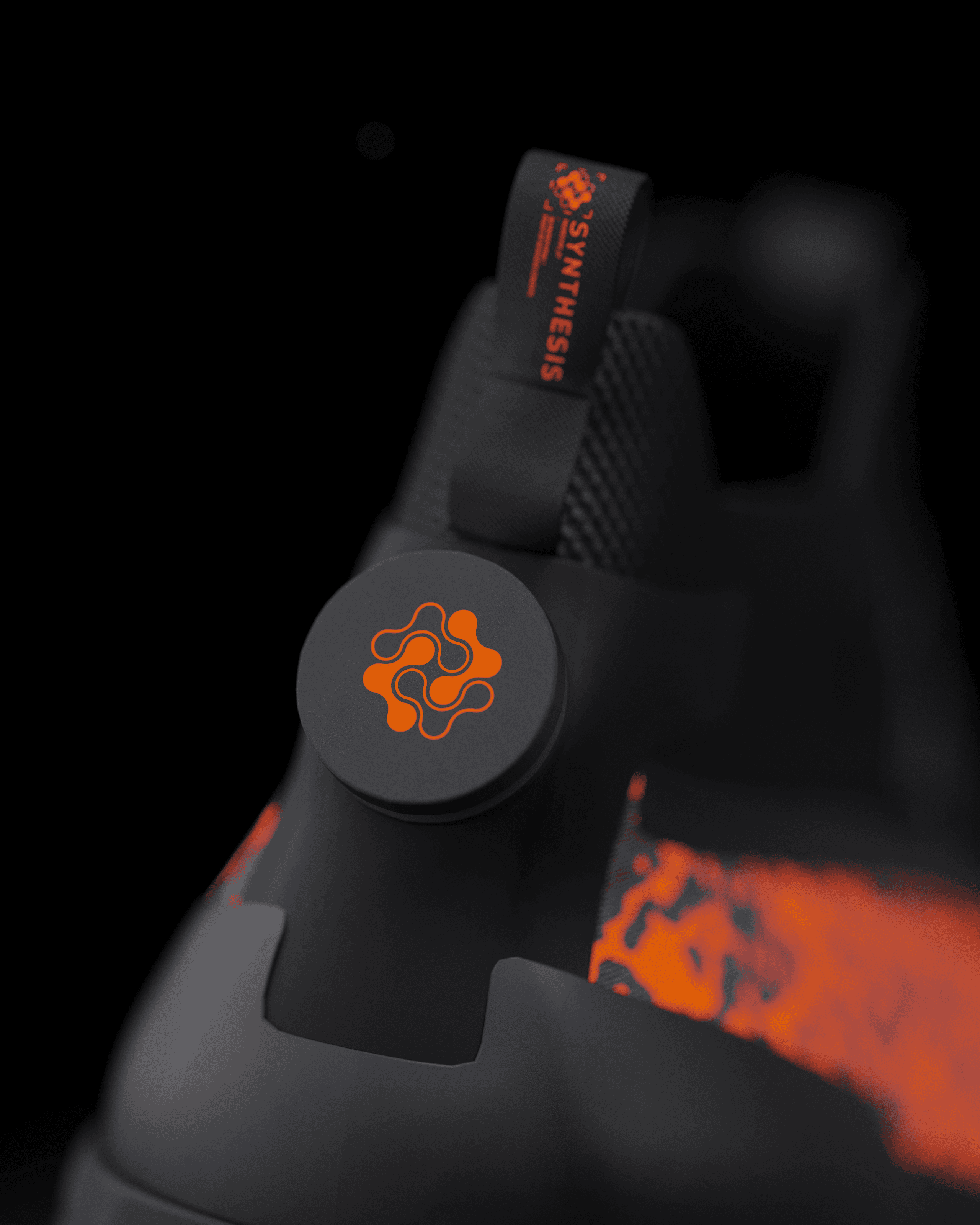
My inspiration often comes from sports performance and outdoor gear, but I like to push these ideas further - experimenting with organic textures, unusual materials, and bold color combinations. I love when materials tell a story: soft where movement is needed, structured where support or protection matters.
For me, footwear design isn’t about perfection - it’s about learning, improving, and creating something that feels both functional and honest.
My interest in footwear comes from curiosity - Understanding how design supports movement, comfort, and style. Coming from a fashion design background, I never studied footwear formally, yet I’ve always admired it. With digital tools, I can now explore and learn this field hands-on - experimenting, testing, and discovering along the way.
I see sneakers as small pieces of a sculpture - built to perform while expressing unique style. I usually begin by jumping straight into 3D, developing patterns and exploring form through digital simulations. This approach lets me apply my apparel experience in a more sculptural way - testing proportions, refining ideas, and seeing what truly works.
My inspiration often comes from sports performance and outdoor gear, but I like to push these ideas further - experimenting with organic textures, unusual materials, and bold color combinations. I love when materials tell a story: soft where movement is needed, structured where support or protection matters.
For me, footwear design isn’t about perfection - it’s about learning, improving, and creating something that feels both functional and honest.
+
+
+
+
+
+
04
+
Most of the time, I don’t think outside the box — I think about what I can do with the box.
Over the years, I’ve learned that creativity isn’t always about breaking rules - it’s about understanding the boundaries and learning how to shape within them. Every project starts with limitations: technical constraints, design, time, or the capabilities of the software itself. But those limitations are where creativity actually begins.
Working in 3D has taught me to embrace iteration and limitations. You don’t always see the full picture at the start - the design reveals itself through problem-solving, testing, and constant adjustment. There are moments of frustration, but also moments of discovery that could never happen any other way.
For me, trusting the process means letting curiosity guide the work - even when the outcome is uncertain. It’s about finding new possibilities inside the framework, and turning those boundaries into something expressive, functional, and unique.
+
+
04
+
Most of the time, I don’t think outside the box — I think about what I can do with the box.
Over the years, I’ve learned that creativity isn’t always about breaking rules - it’s about understanding the boundaries and learning how to shape within them. Every project starts with limitations: technical constraints, design, time, or the capabilities of the software itself. But those limitations are where creativity actually begins.
Working in 3D has taught me to embrace iteration and limitations. You don’t always see the full picture at the start - the design reveals itself through problem-solving, testing, and constant adjustment. There are moments of frustration, but also moments of discovery that could never happen any other way.
For me, trusting the process means letting curiosity guide the work - even when the outcome is uncertain. It’s about finding new possibilities inside the framework, and turning those boundaries into something expressive, functional, and unique.
+
+
05
+
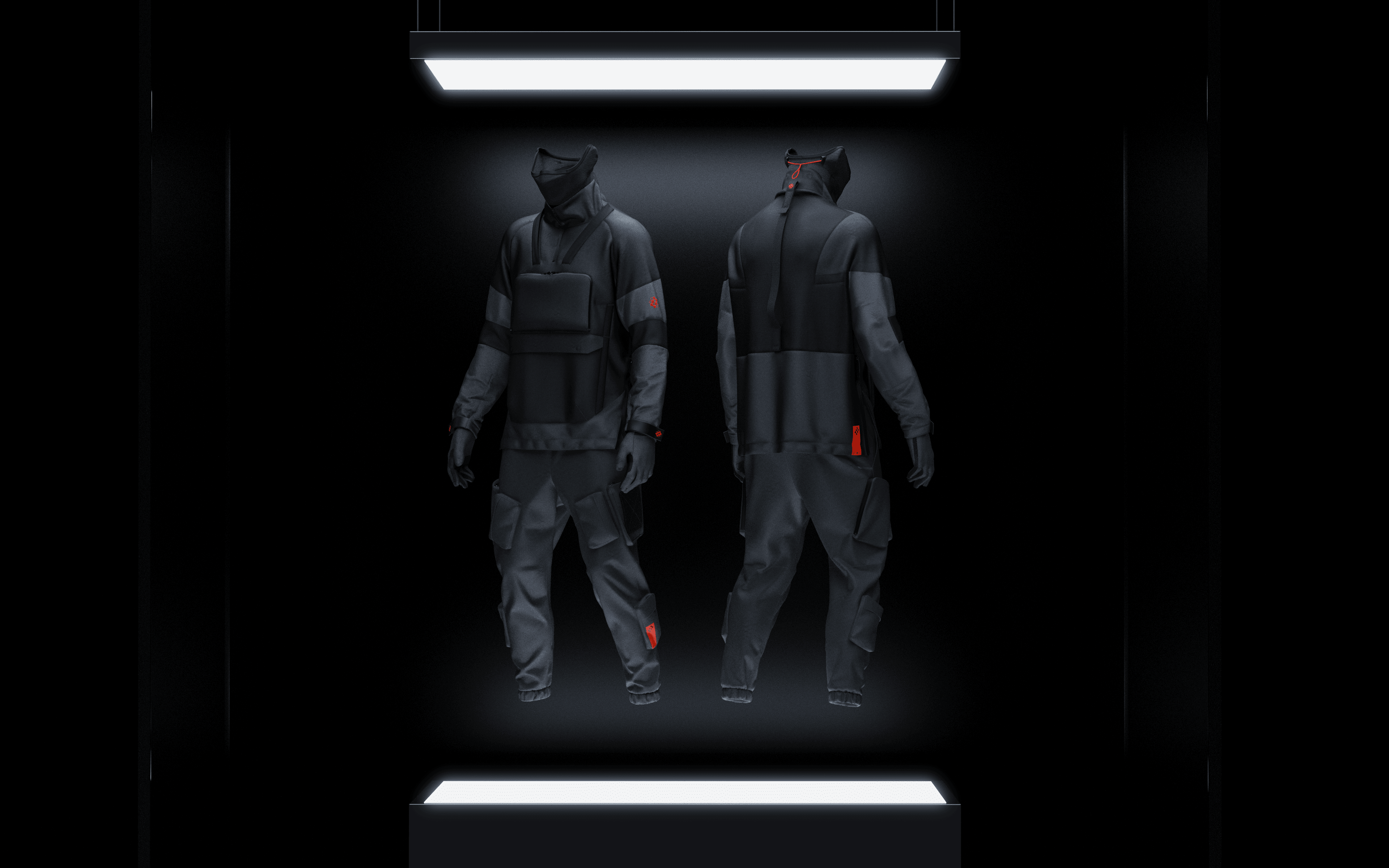
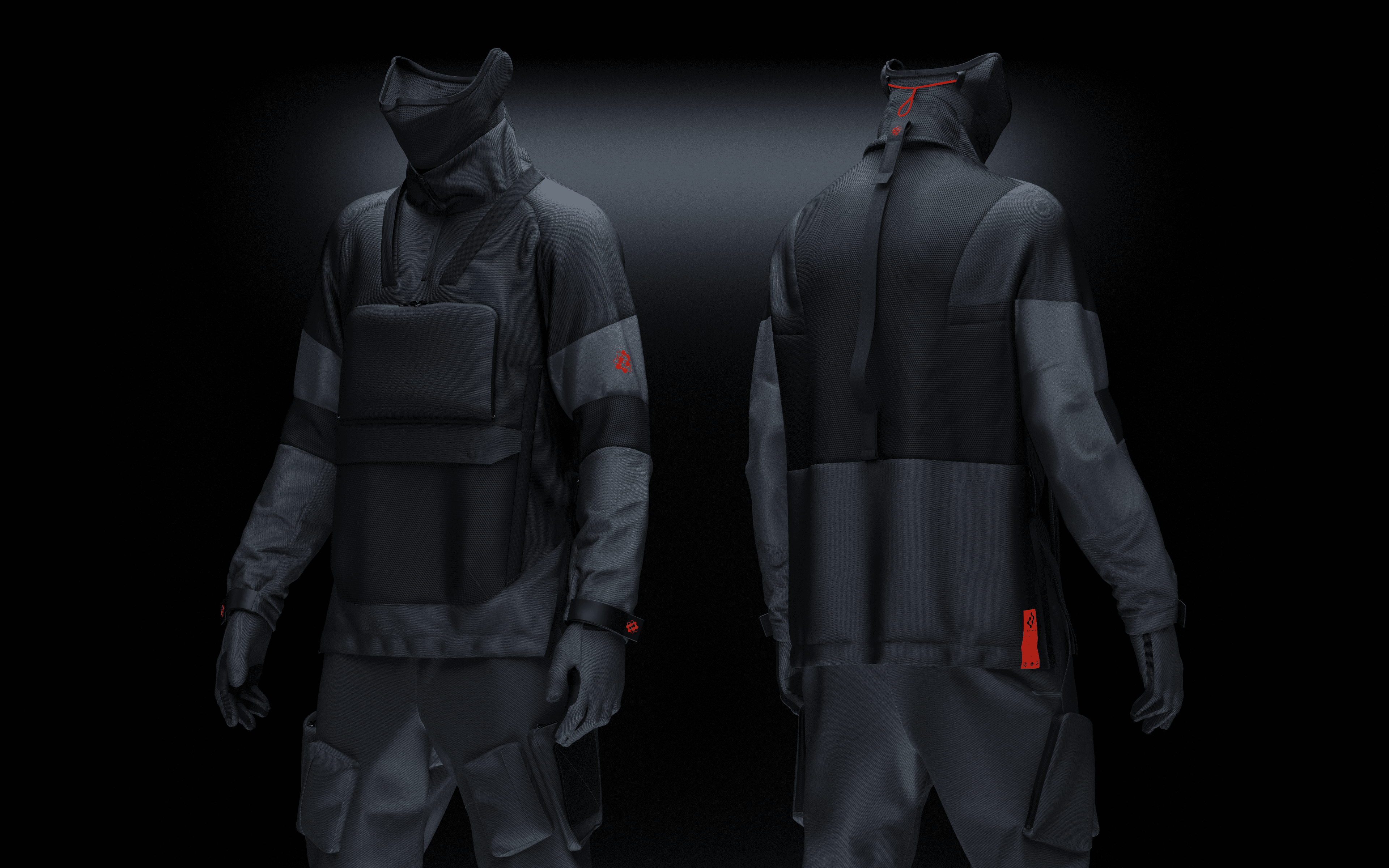
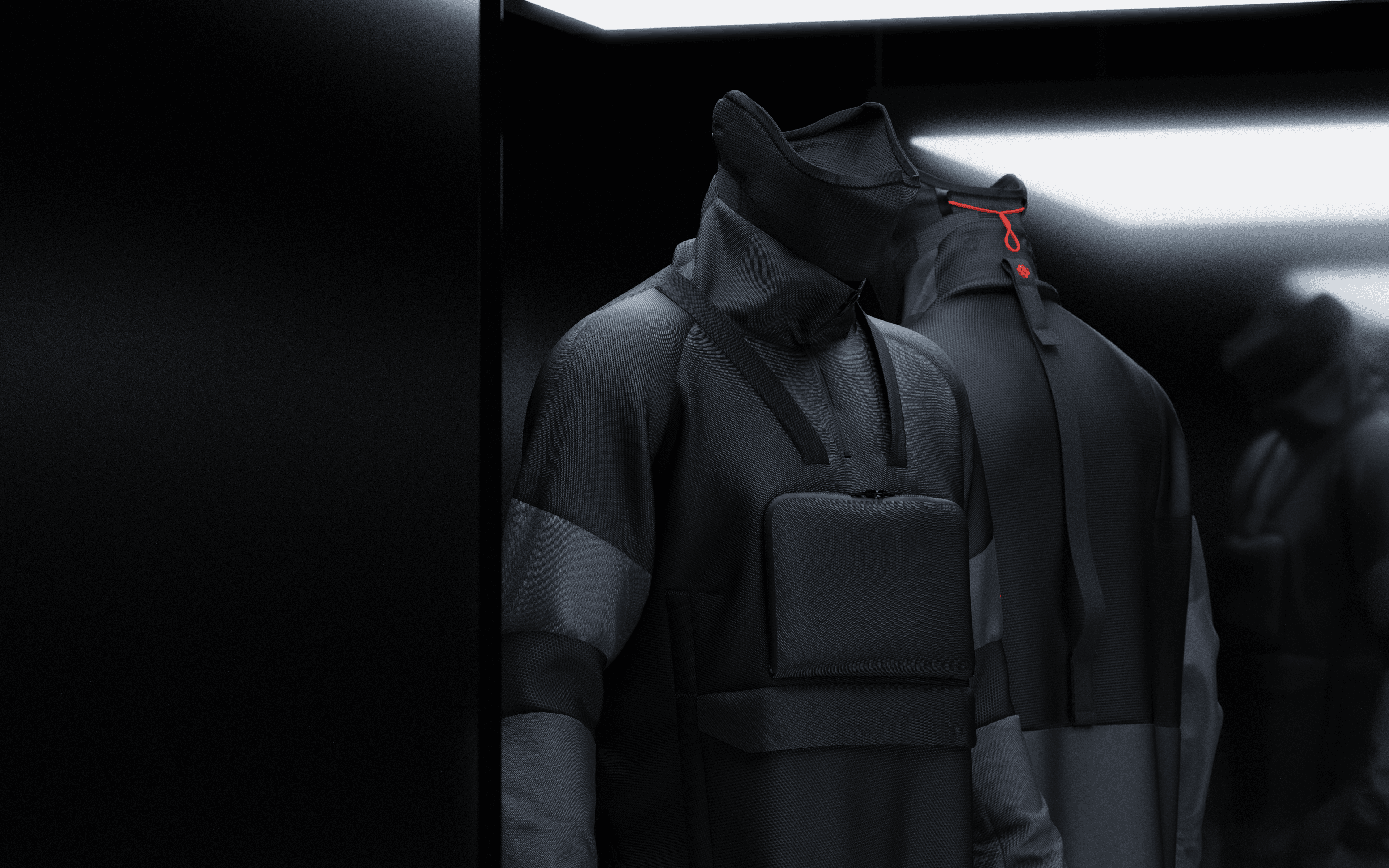
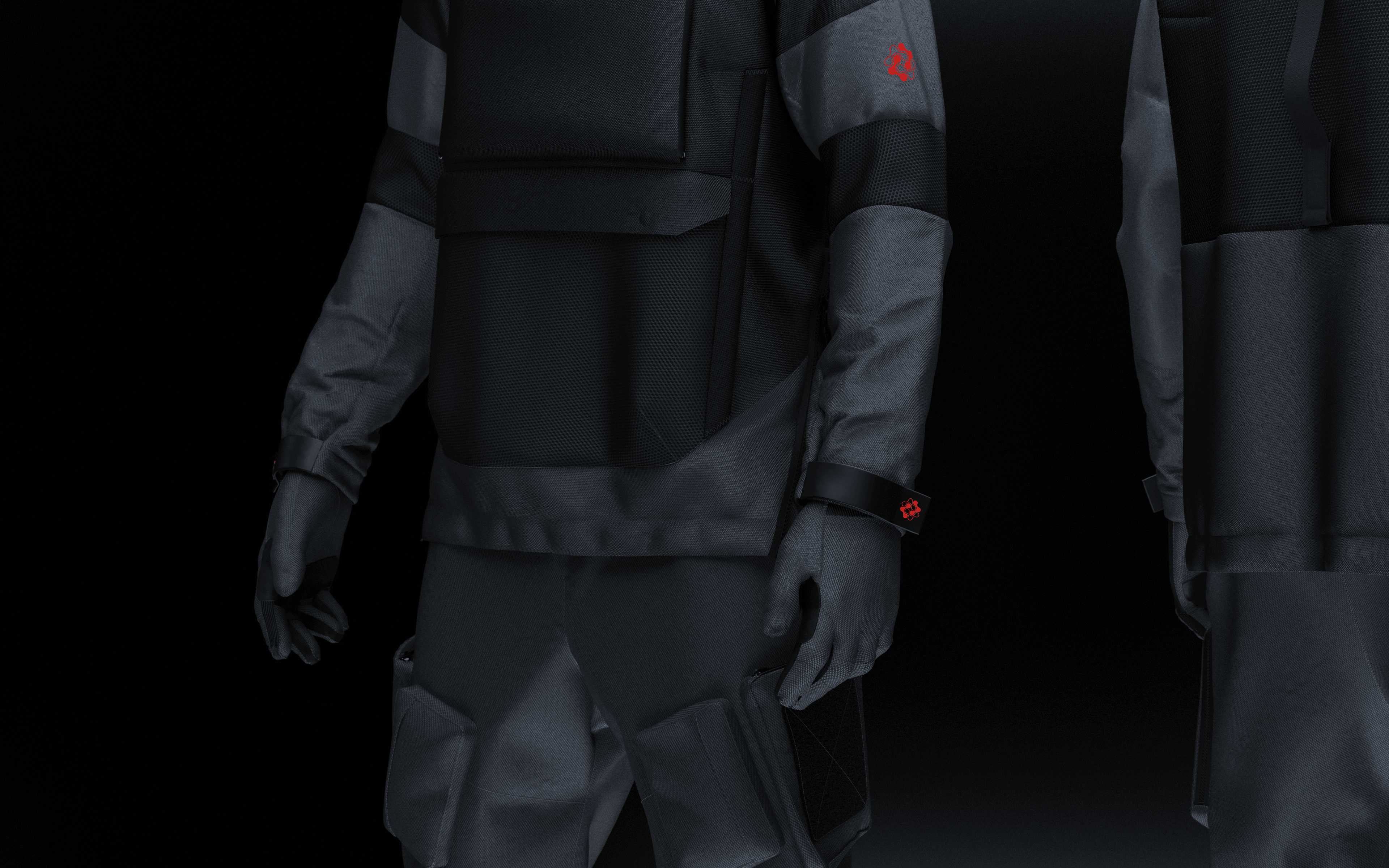
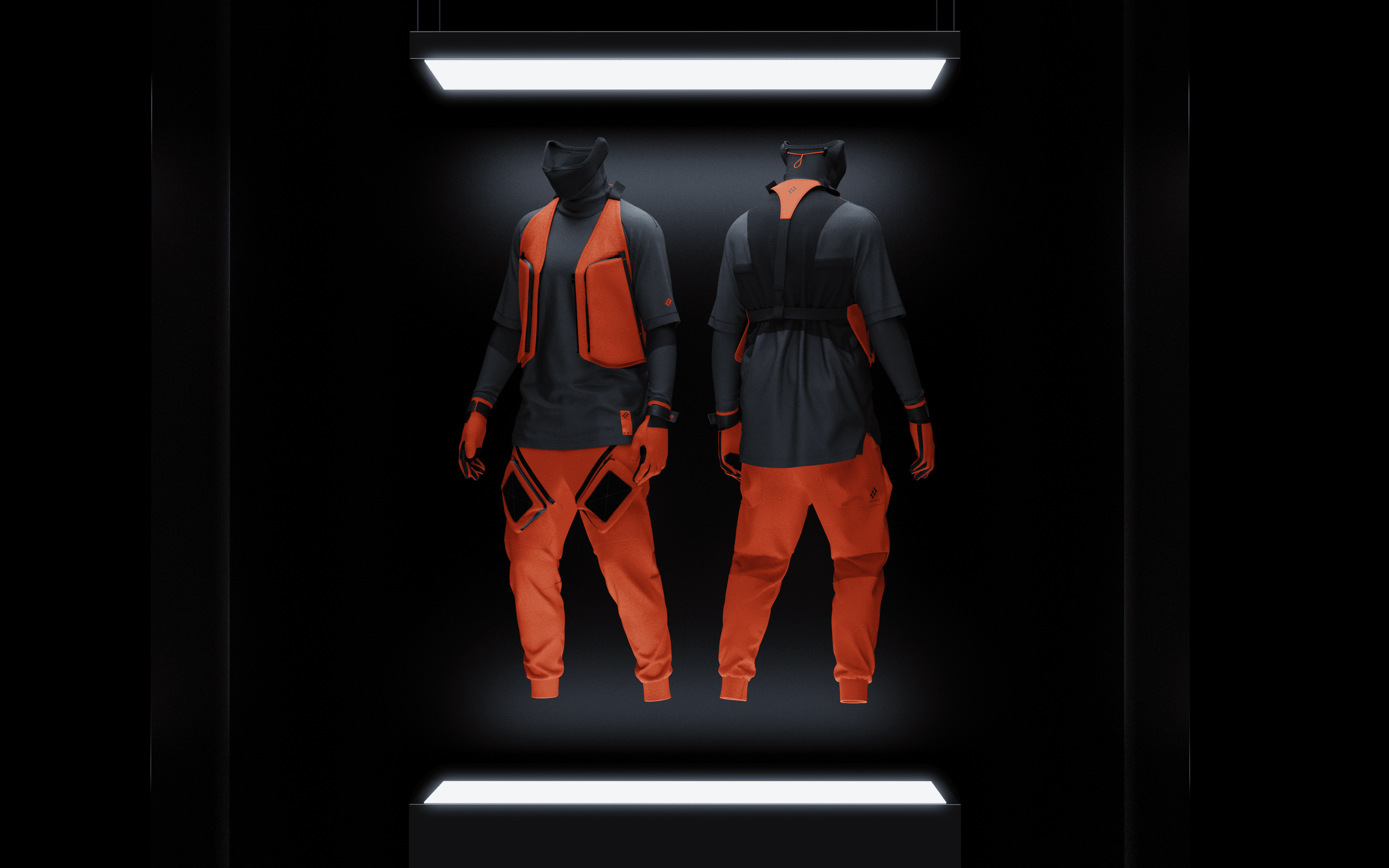
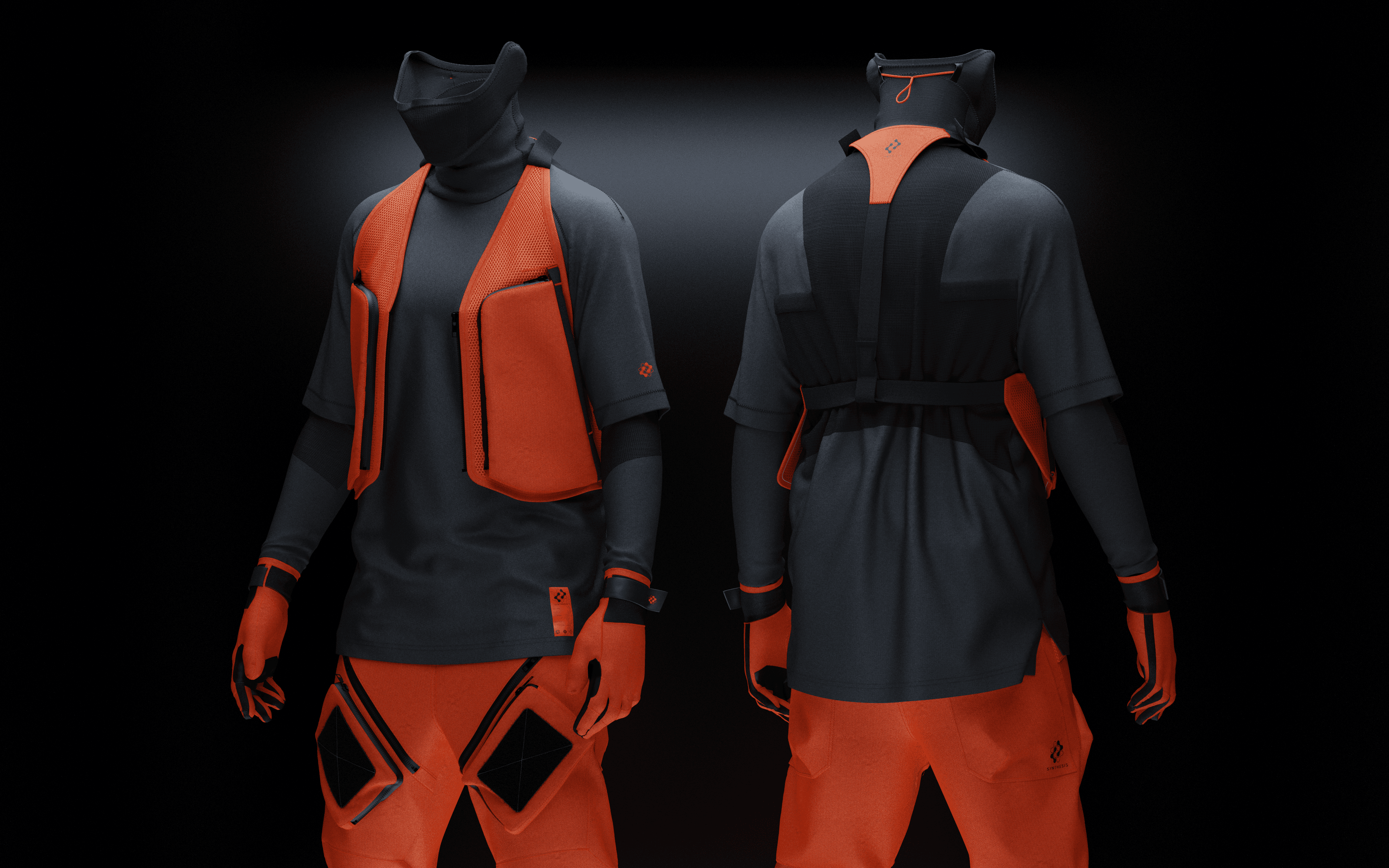
My interest in technical outerwear started on the mountain - spending winter months snowboarding with friends. Out there, a jacket isn’t just clothing; it’s protection. It shields you from freezing wind, snow, and unpredictable weather - it becomes an essential part of your gear.
Watching my friends and other snowboarders perform high-speed jumps, spins, and rotations made me more aware of how the human body moves - and how clothing needs to adapt to that movement. Over time, I began to appreciate how these garments not only protect but also express style, shape, and attitude.
Moments like these sparked my passion for design - an ongoing curiosity about how function, movement, and aesthetics can work together naturally. That idea became the foundation of how I think and create today - always searching for the point where performance meets style, and where engineering blends seamlessly with design.
+
+
05
+
My interest in technical outerwear started on the mountain - spending winter months snowboarding with friends. Out there, a jacket isn’t just clothing; it’s protection. It shields you from freezing wind, snow, and unpredictable weather - it becomes an essential part of your gear.
Watching my friends and other snowboarders perform high-speed jumps, spins, and rotations made me more aware of how the human body moves - and how clothing needs to adapt to that movement. Over time, I began to appreciate how these garments not only protect but also express style, shape, and attitude.
Moments like these sparked my passion for design - an ongoing curiosity about how function, movement, and aesthetics can work together naturally. That idea became the foundation of how I think and create today - always searching for the point where performance meets style, and where engineering blends seamlessly with design.
+
+
06
+
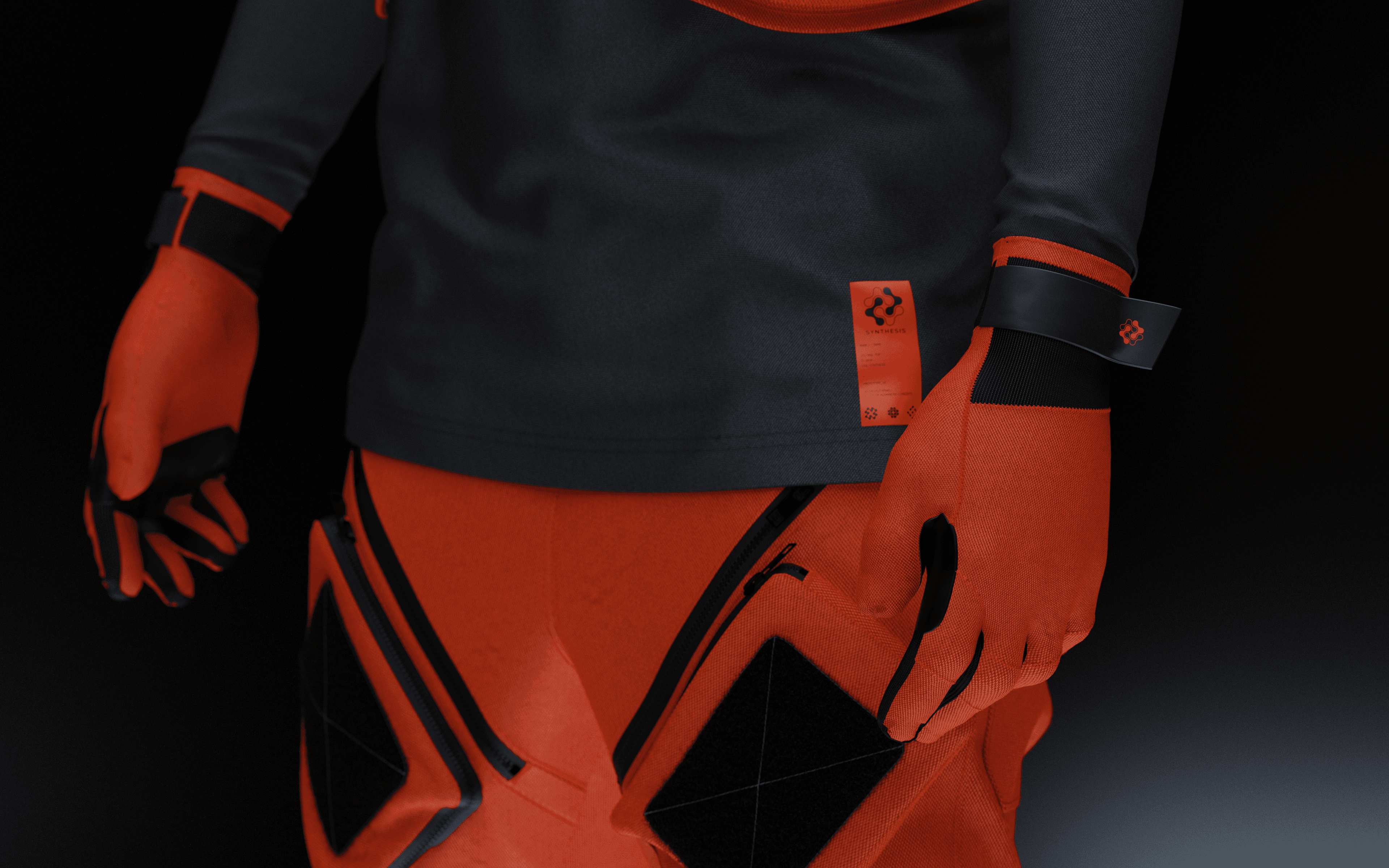
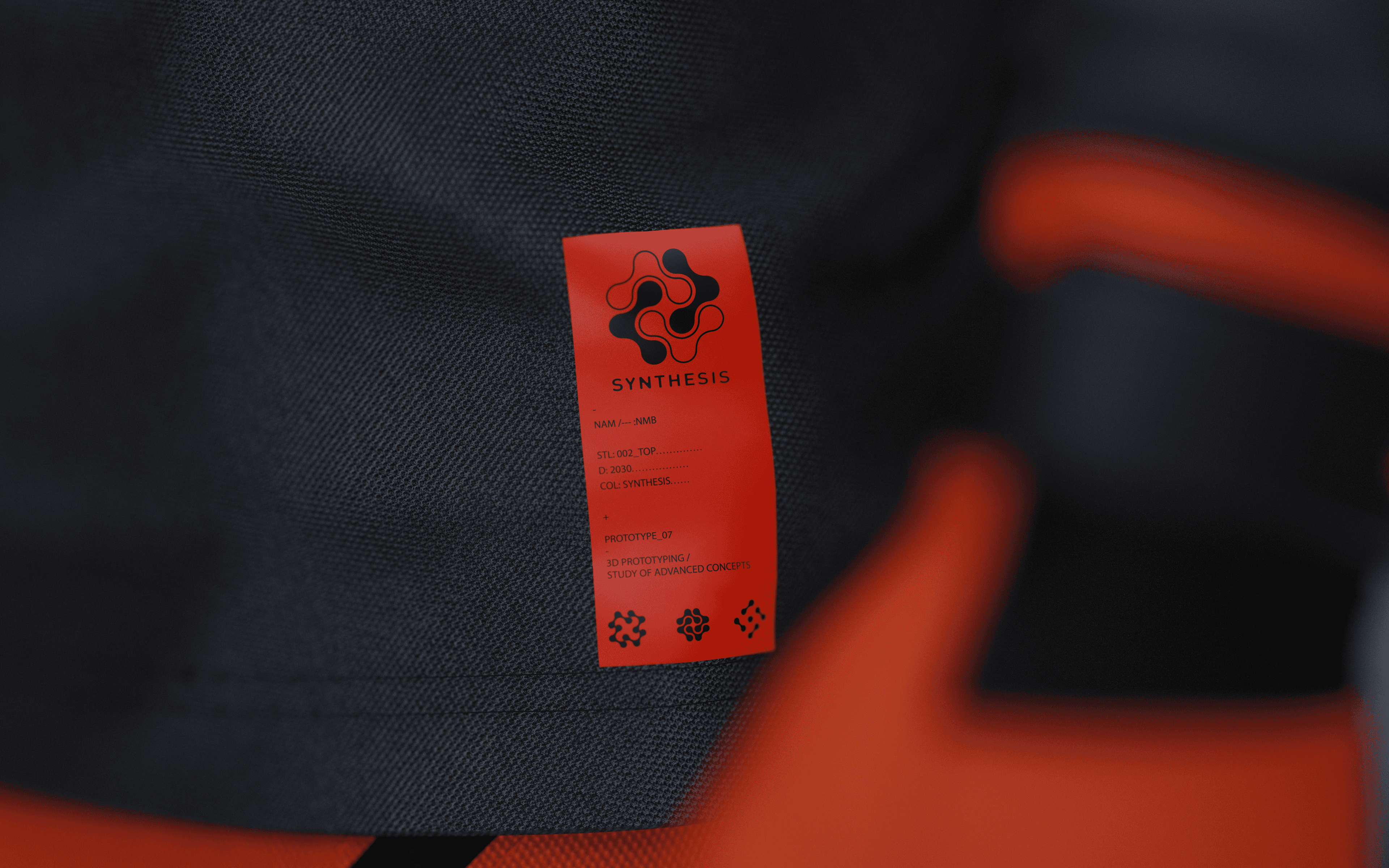
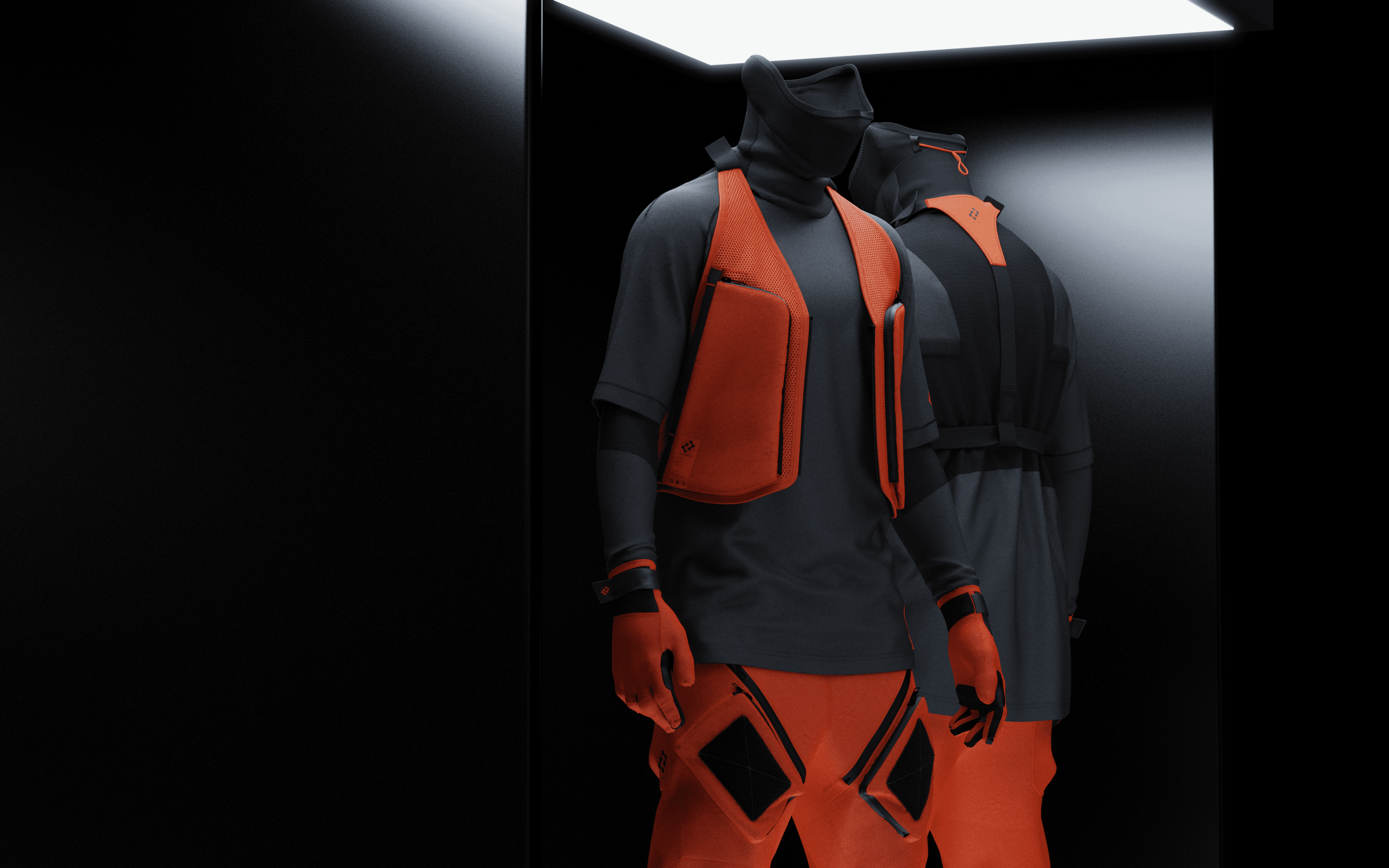
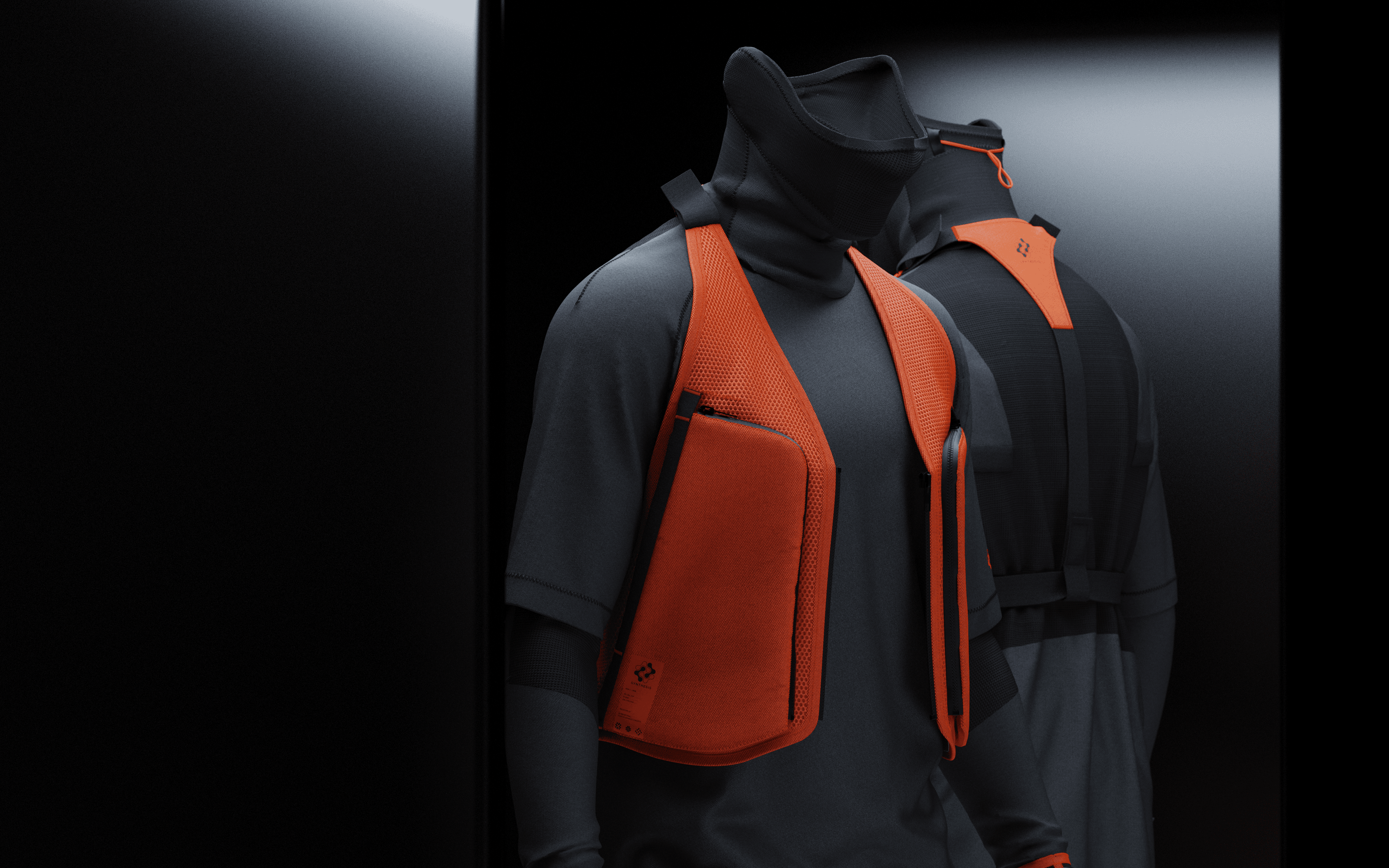
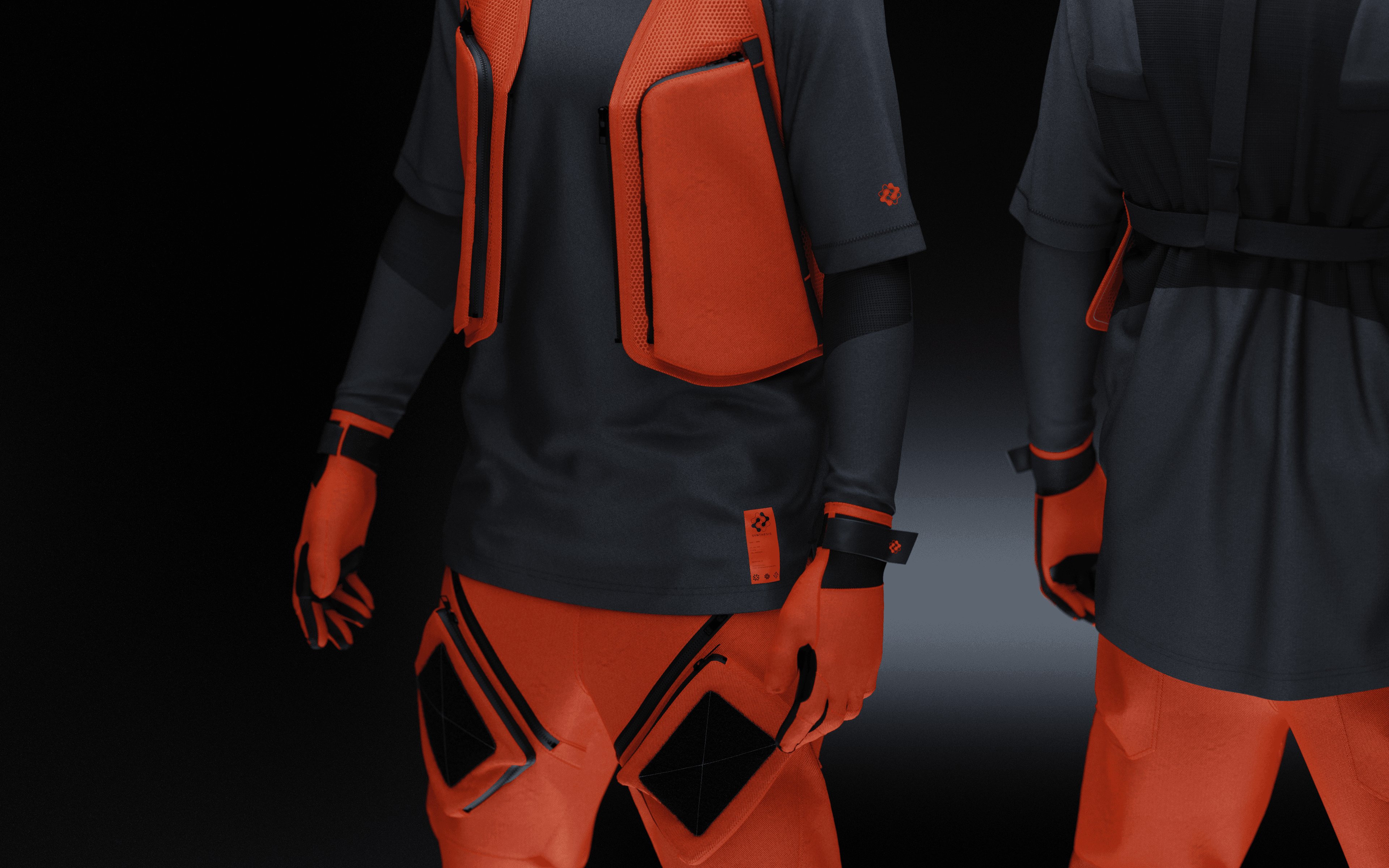
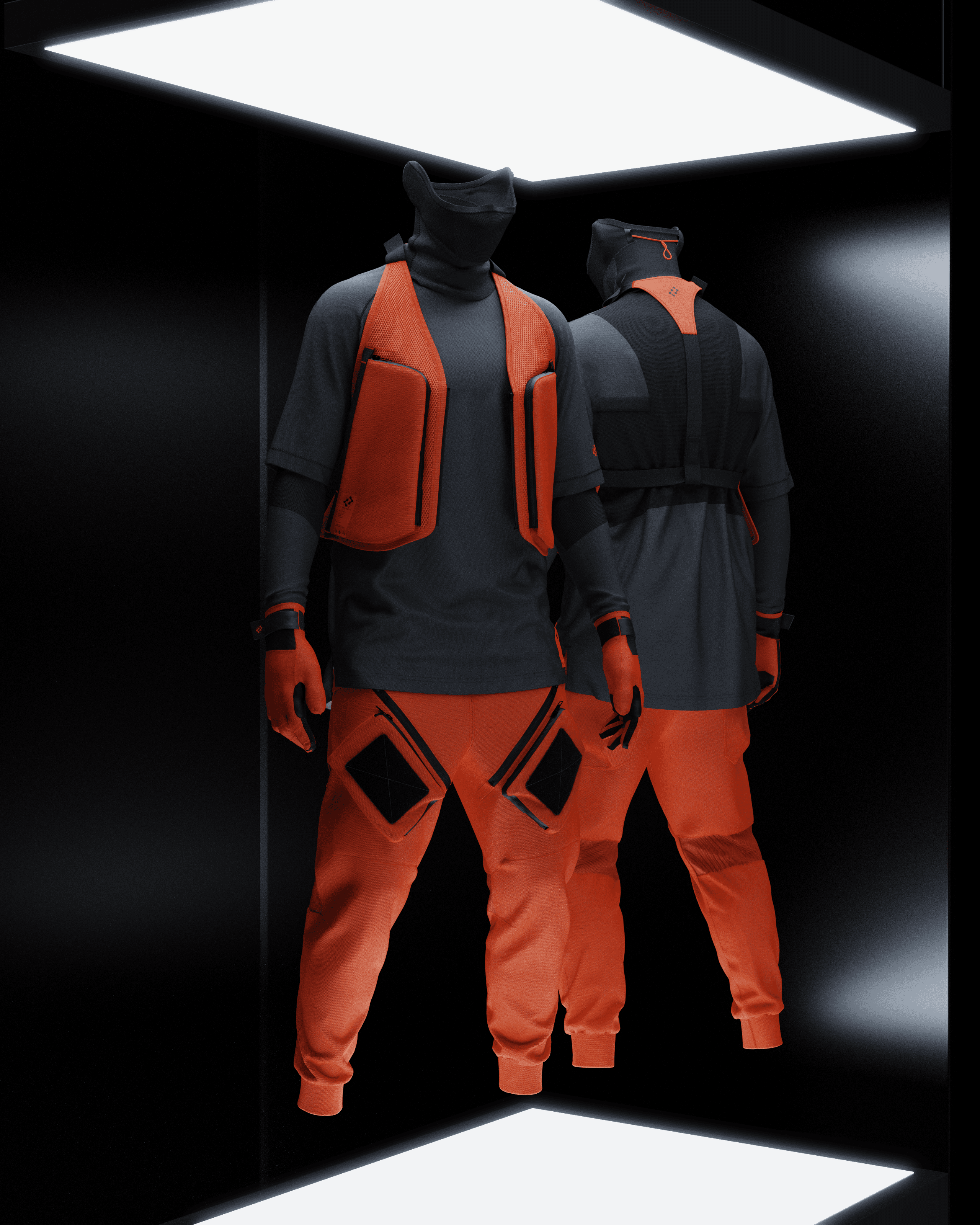
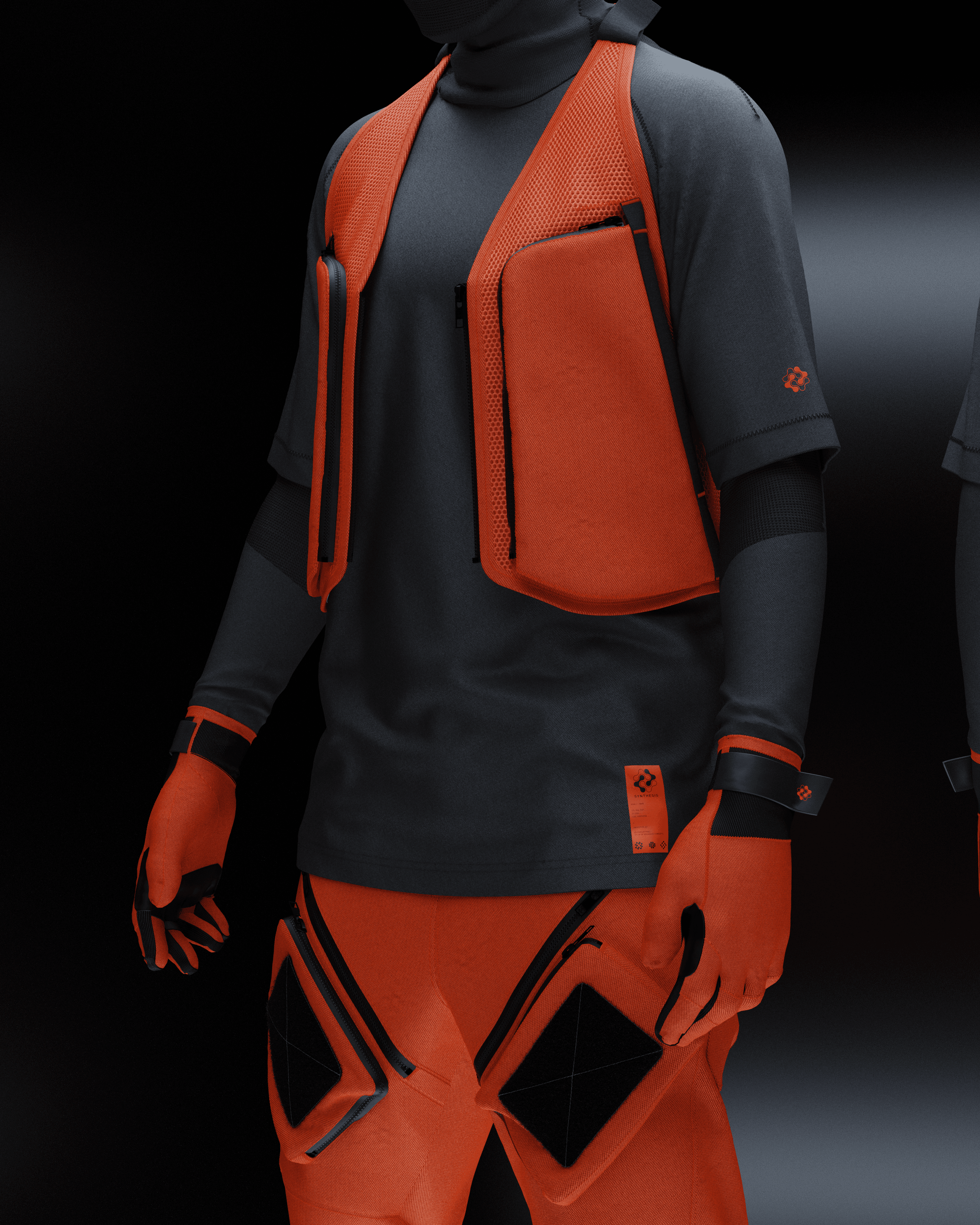
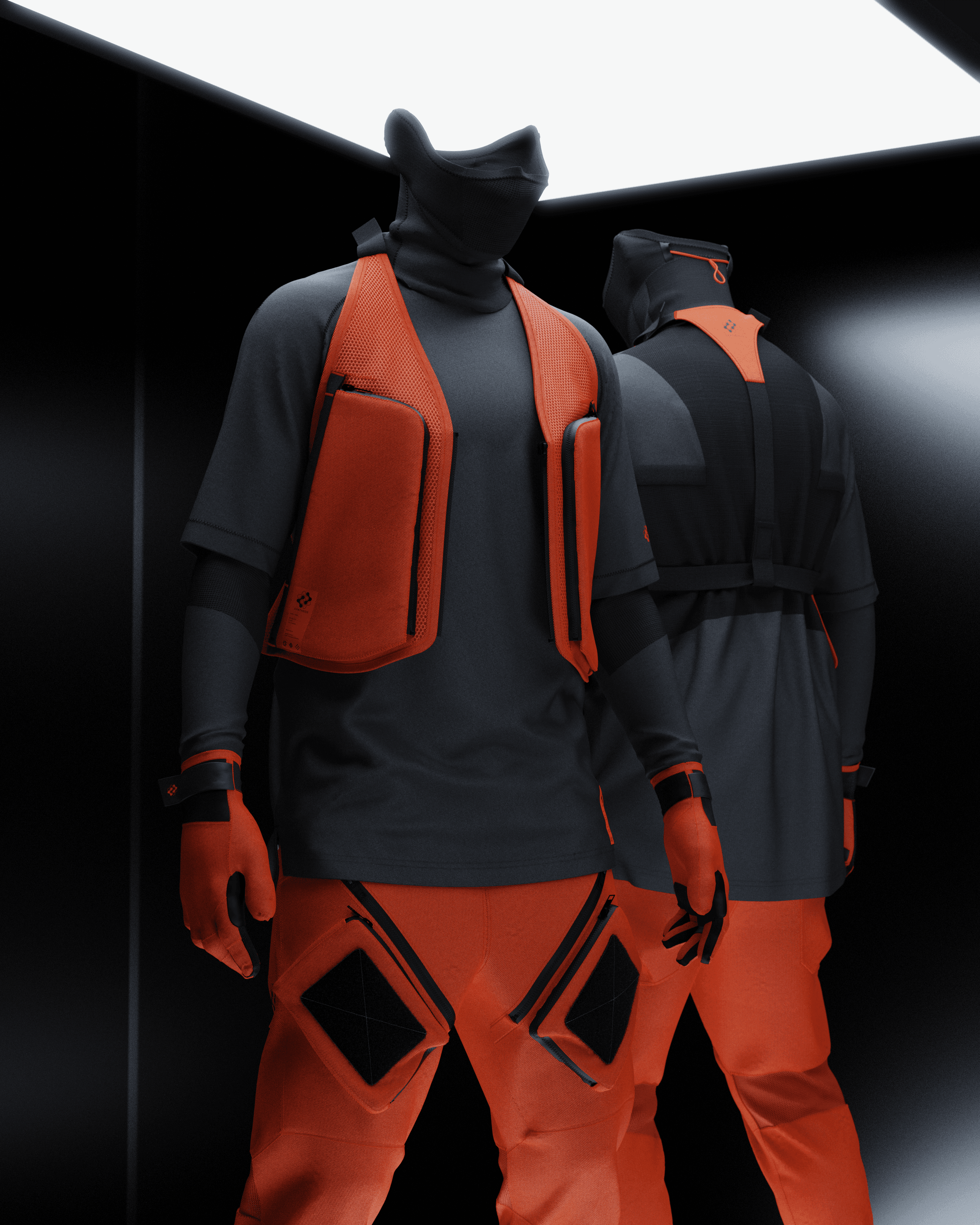
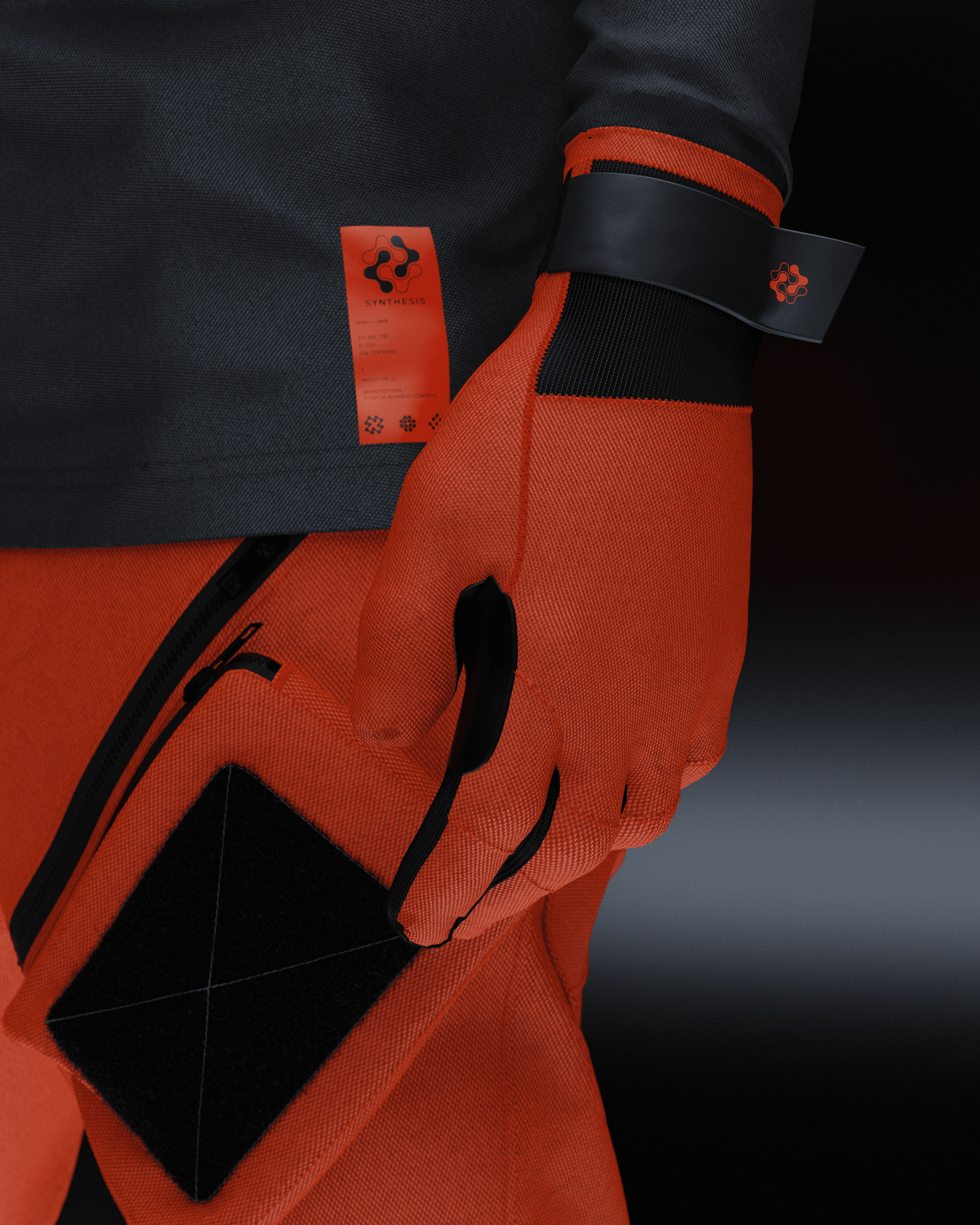
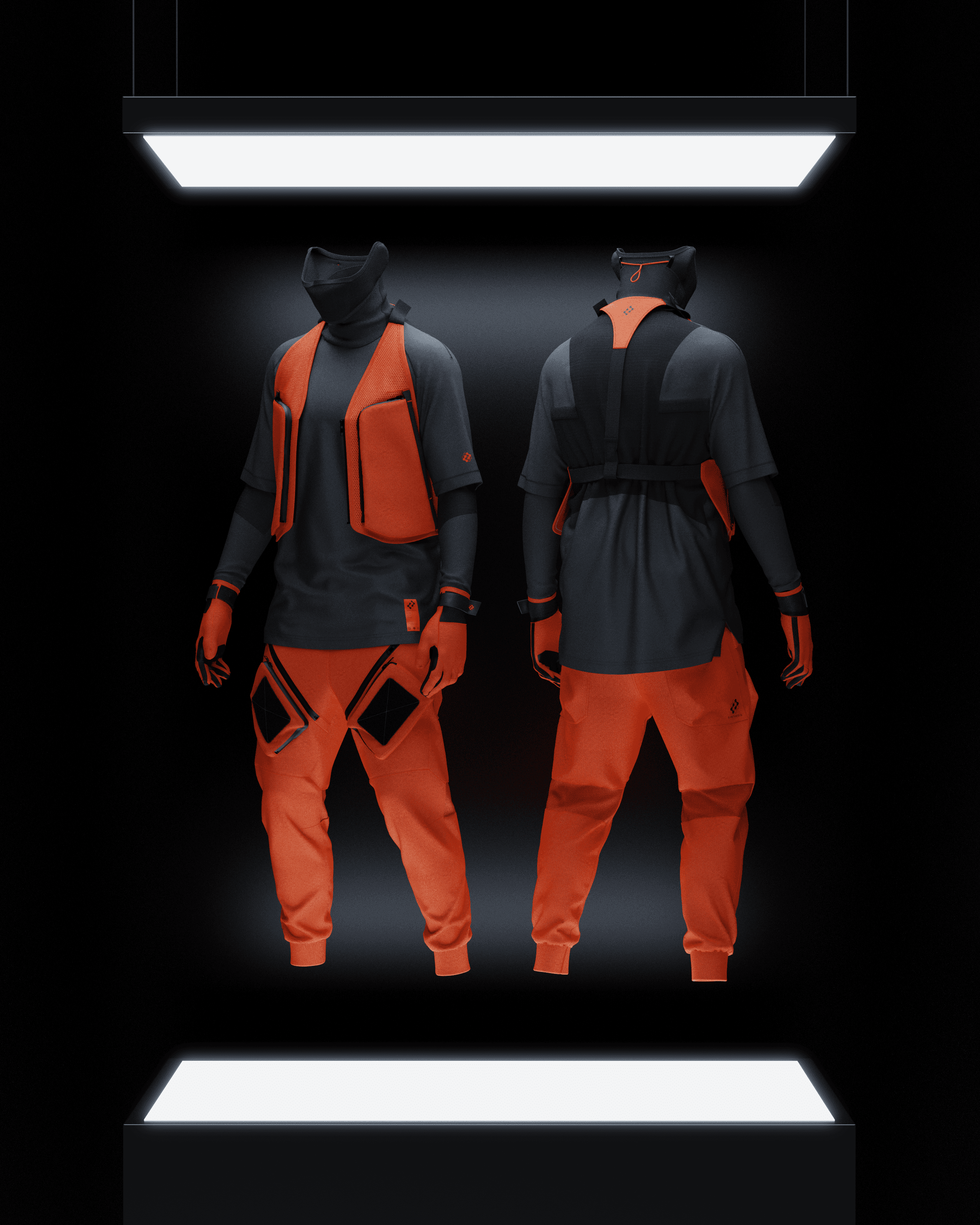
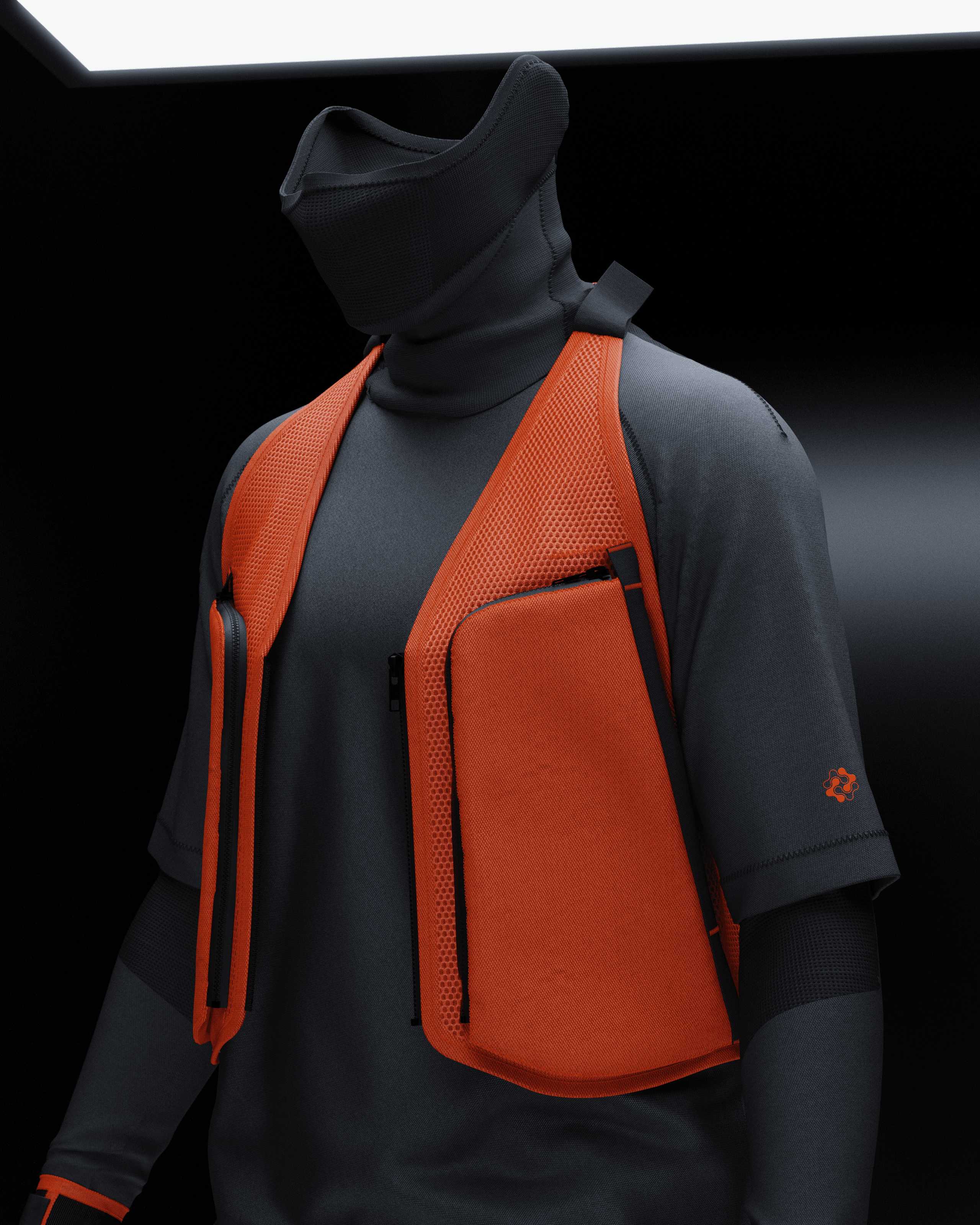
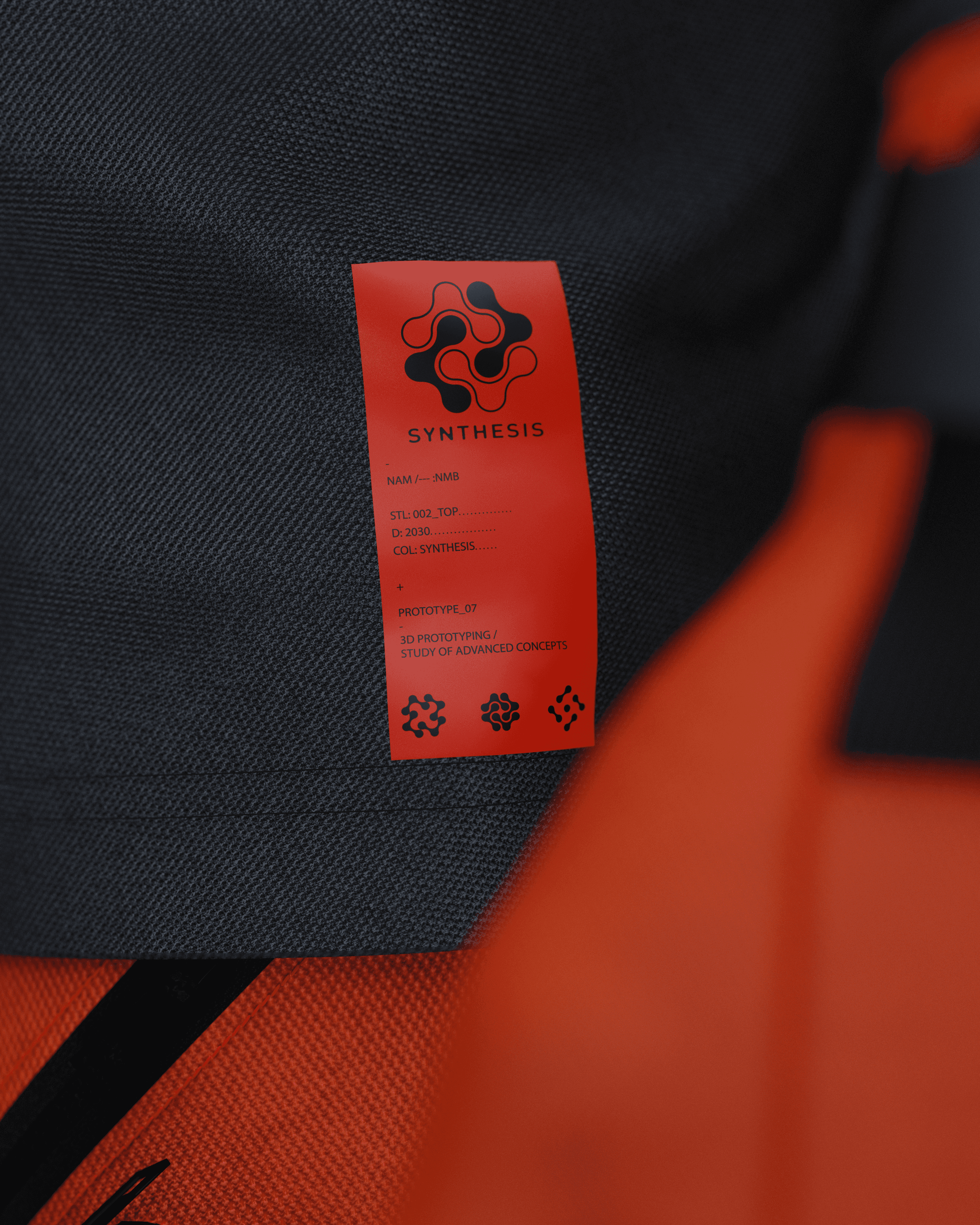
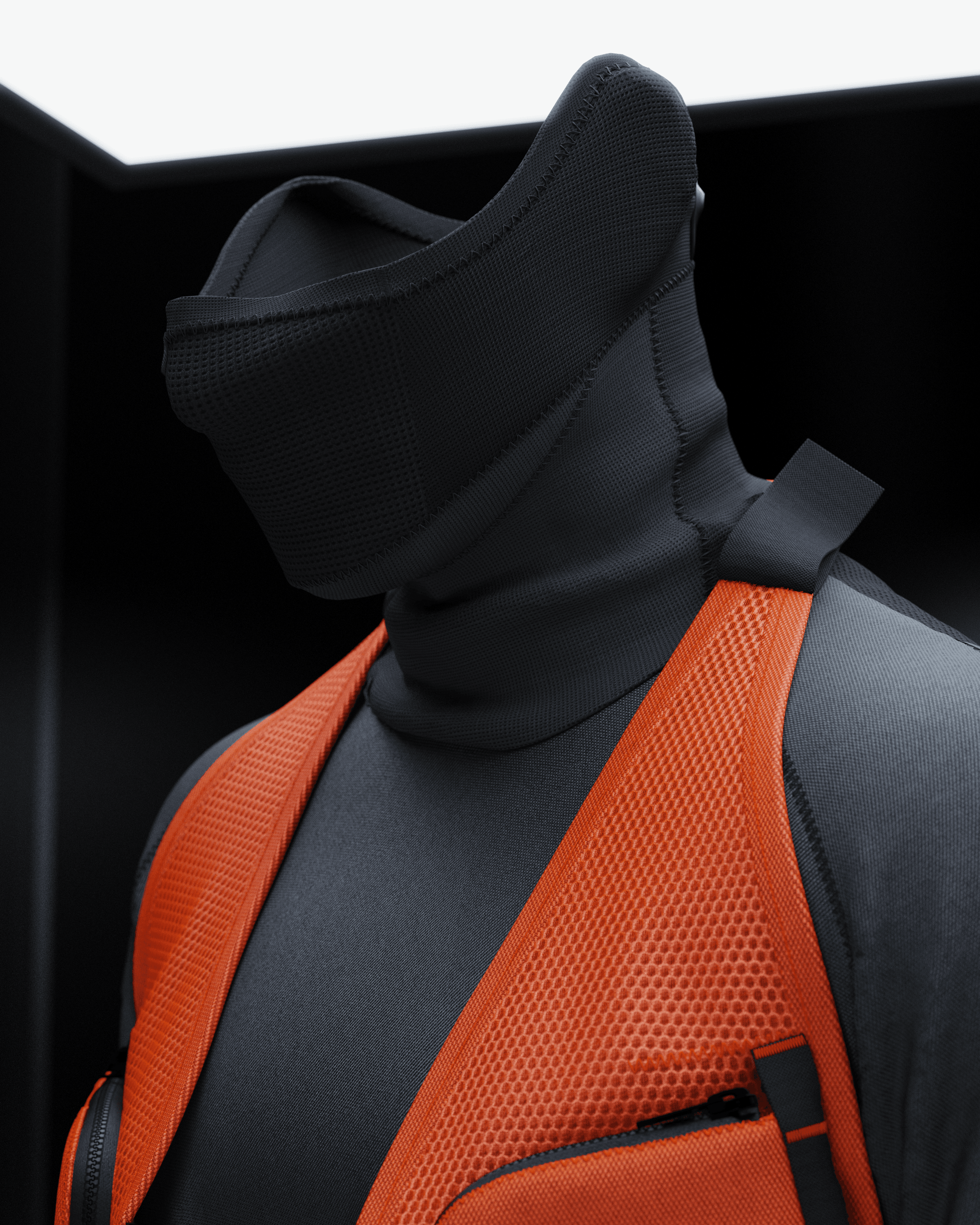
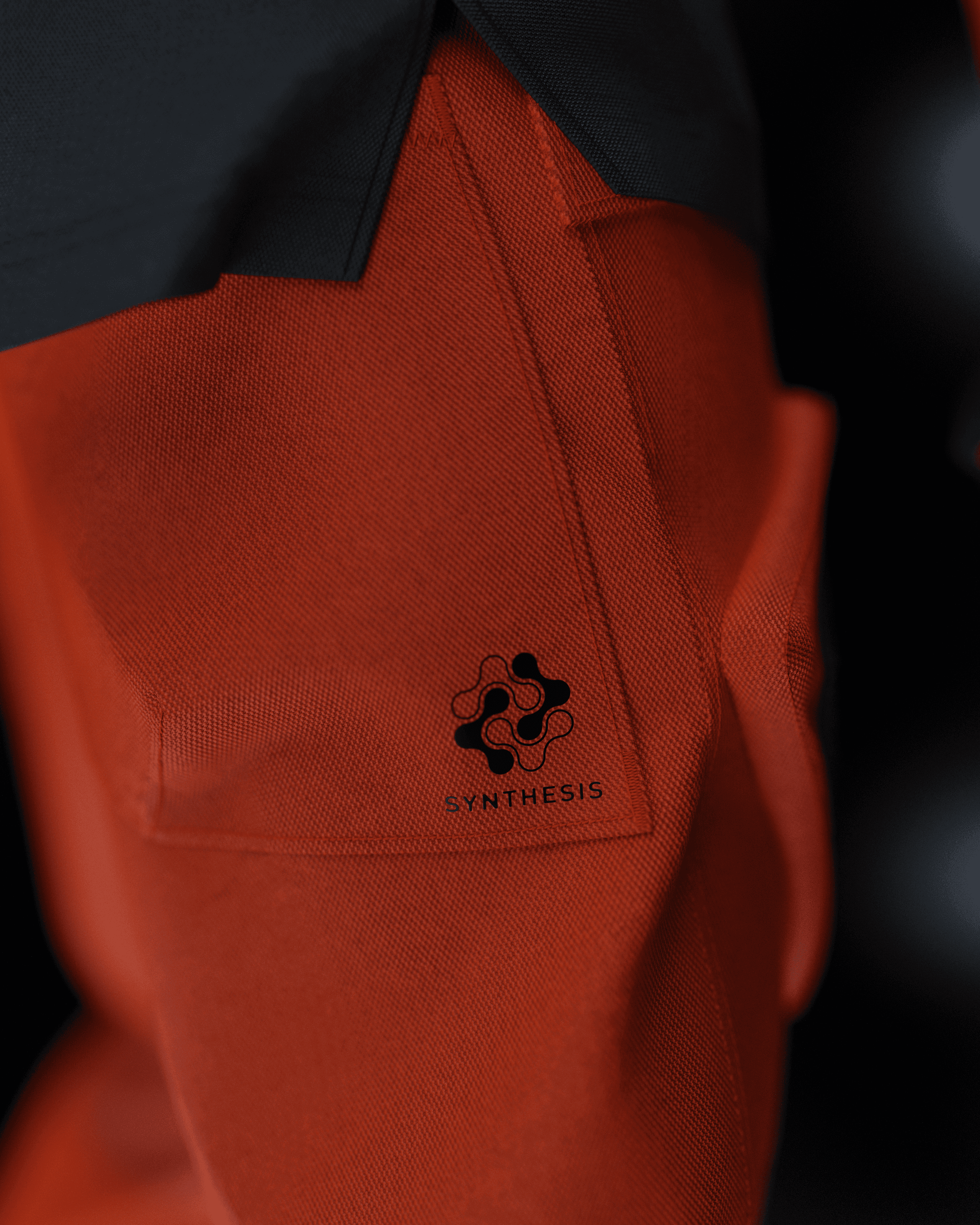
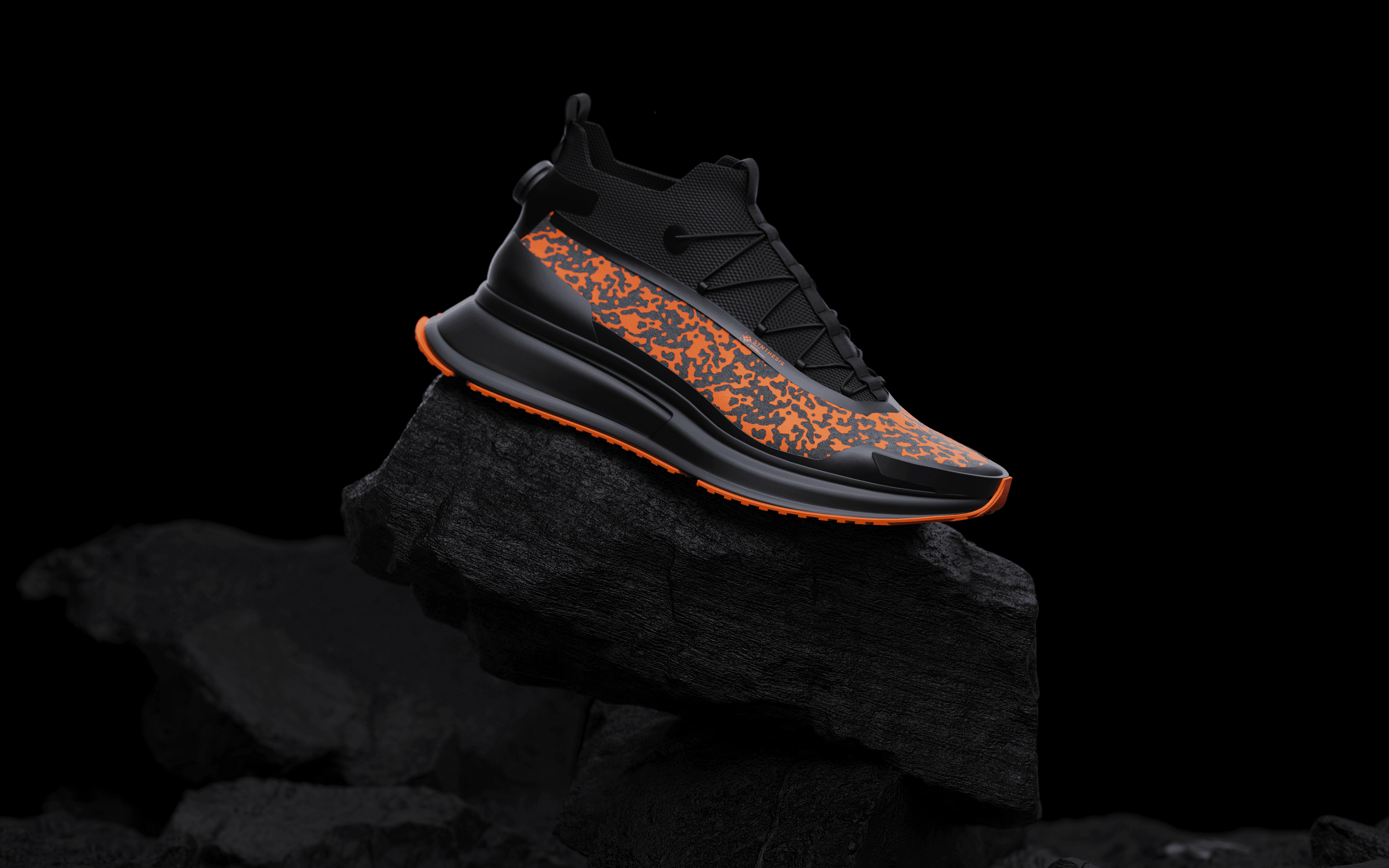
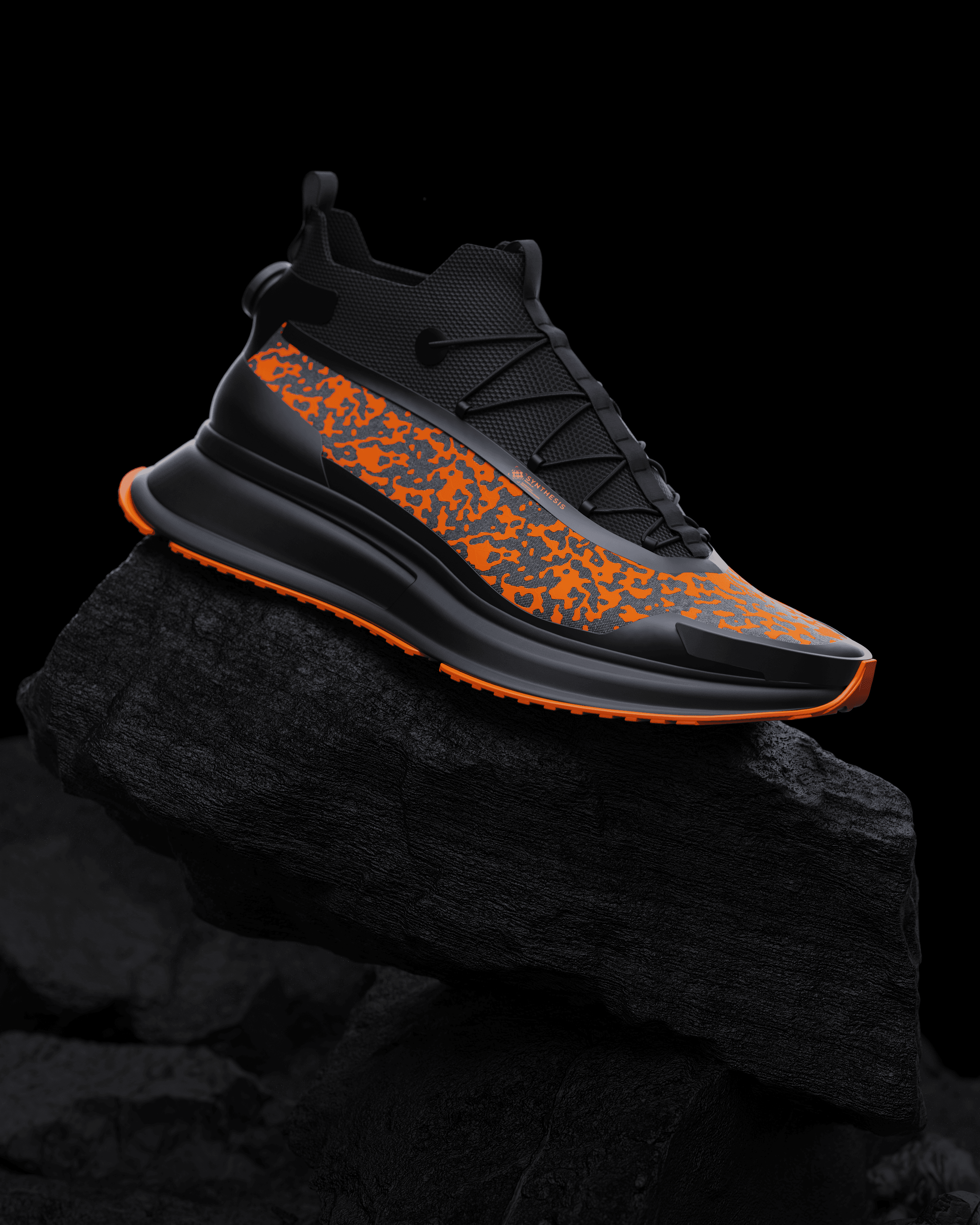
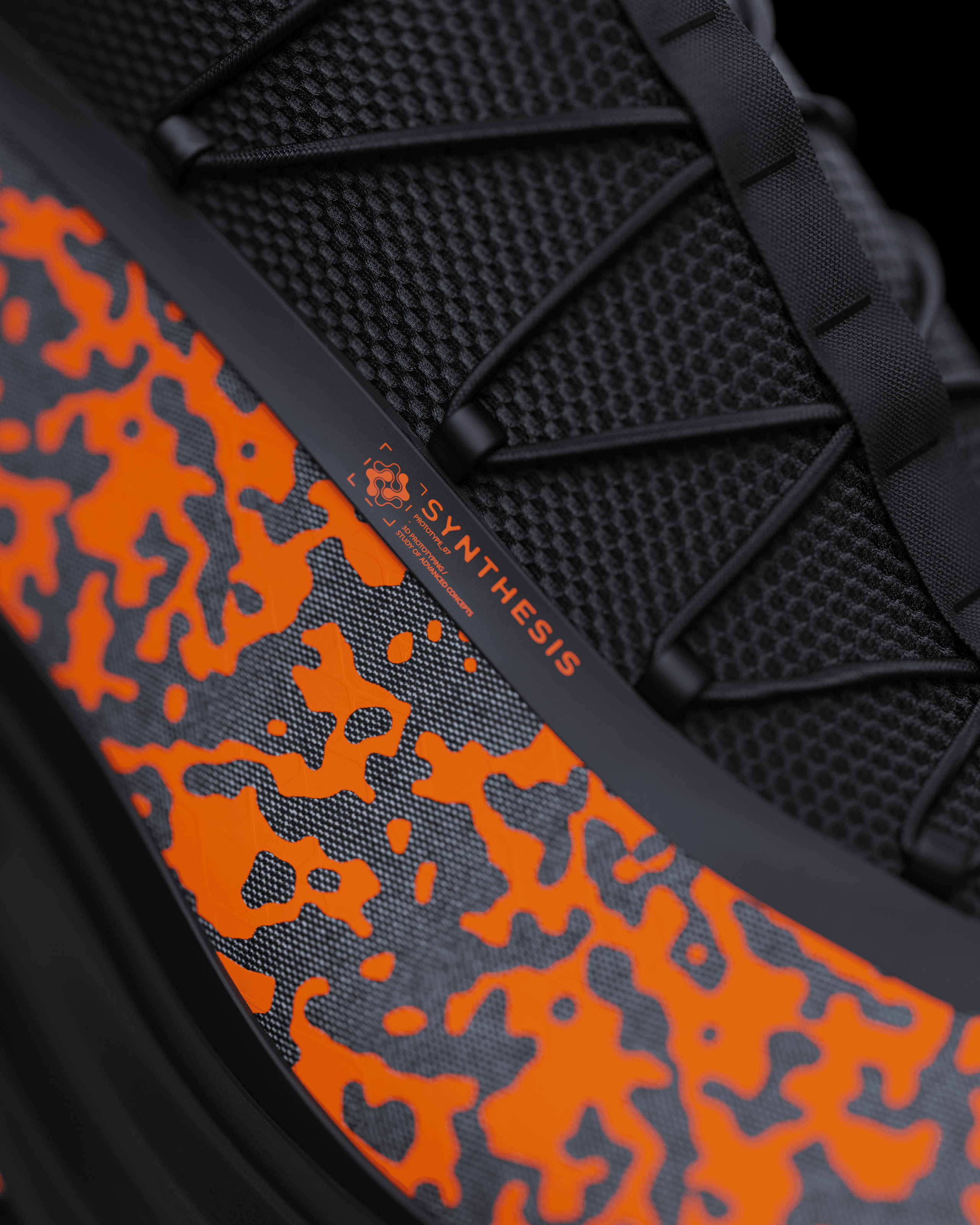
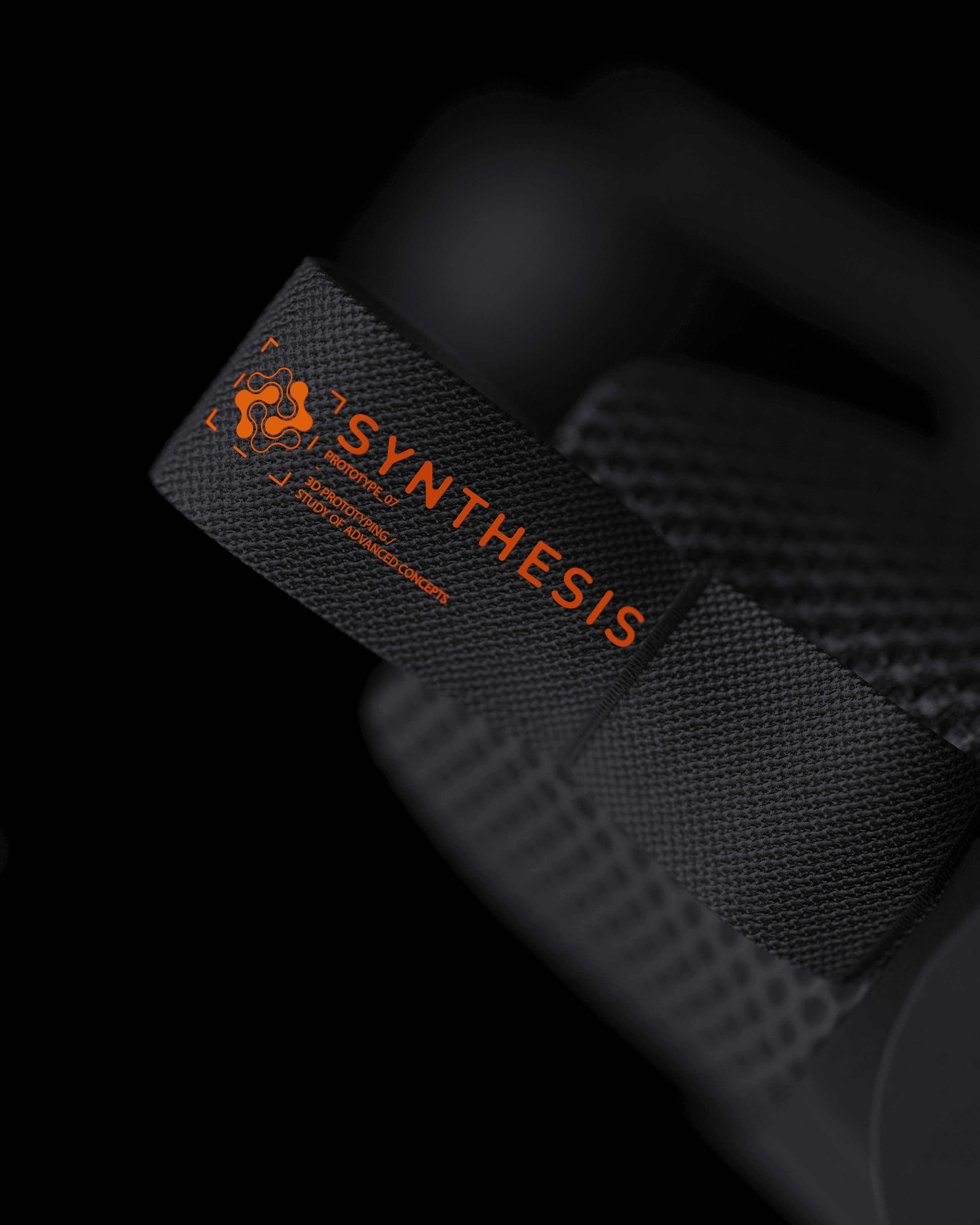
My concepts often begin with simple curiosity - wondering how something could work, look, or feel if approached differently. I treat this stage as a space to test ideas without pressure, searching for shapes, patterns, and functions that feel natural to me.
I usually start with form exploration - how something curves, moves, or behaves in 3D space. This phase lets me experiment freely, uncover unexpected solutions, and allow the design to reveal what it wants to become. It’s about finding a direction that feels honest - and worth developing further.
+
+
06
+
My concepts often begin with simple curiosity - wondering how something could work, look, or feel if approached differently. I treat this stage as a space to test ideas without pressure, searching for shapes, patterns, and functions that feel natural to me.
I usually start with form exploration - how something curves, moves, or behaves in 3D space. This phase lets me experiment freely, uncover unexpected solutions, and allow the design to reveal what it wants to become. It’s about finding a direction that feels honest - and worth developing further.
+
+
07
+
+
+
+
07
+
+
+
+
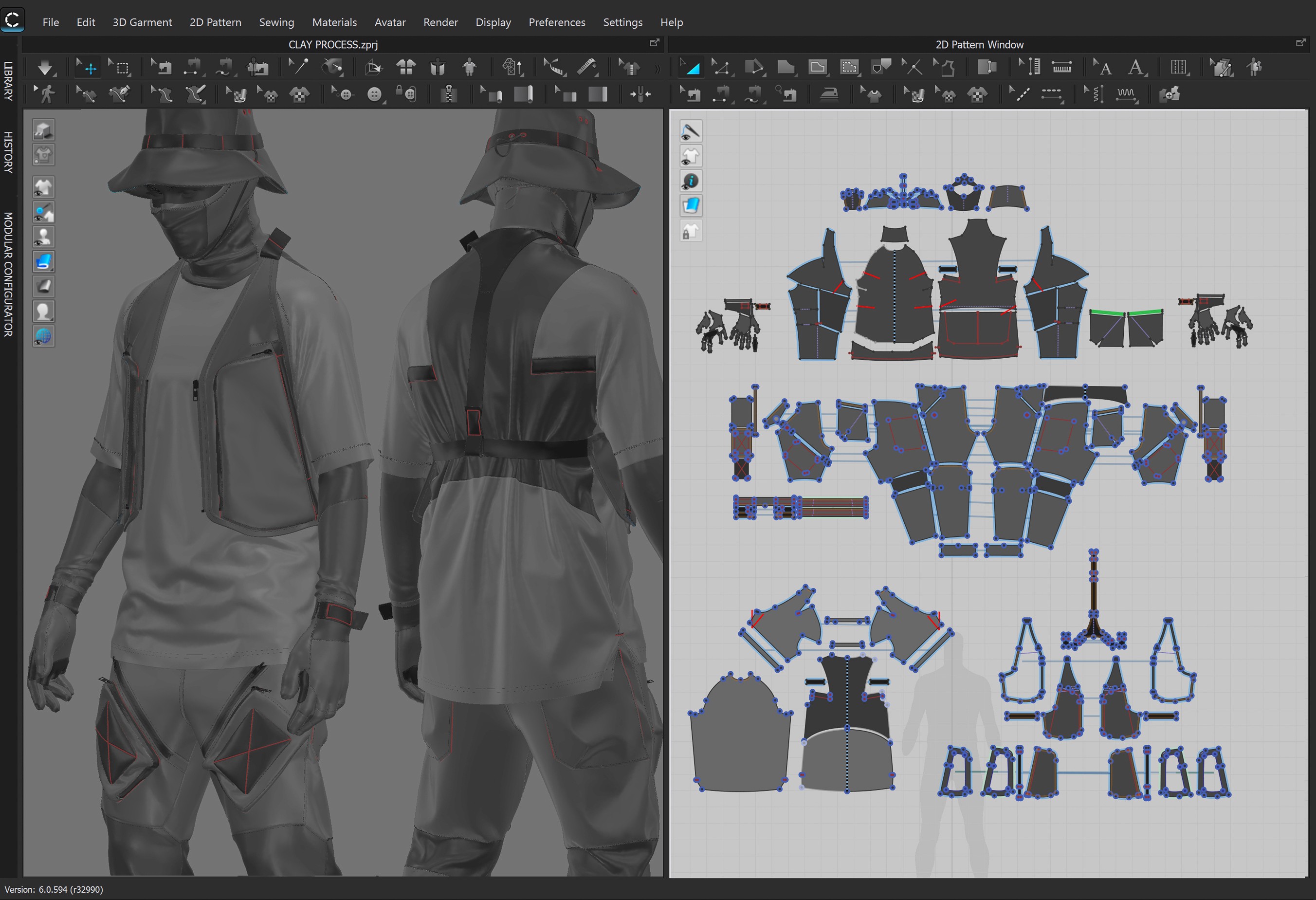
Working with digital tools feels almost like working with real fabric - the simulations capture physics, movement, and tension, but with the added freedom to control and shape ideas more precisely.
It’s a fundamental part of my process: creating digital patterns, testing constructions, and watching how materials behave in real time. This phase becomes a mix of craft and exploration - A place where I can refine, adjust, and push concepts quickly, without losing the feeling of working with actual garments.
Working with digital tools feels almost like working with real fabric - the simulations capture physics, movement, and tension, but with the added freedom to control and shape ideas more precisely.
It’s a fundamental part of my process: creating digital patterns, testing constructions, and watching how materials behave in real time. This phase becomes a mix of craft and exploration - A place where I can refine, adjust, and push concepts quickly, without losing the feeling of working with actual garments.
+
+
+
+
+
+
I often take time to look back at my previous projects - to understand what worked, what didn’t, and what I’ve learned along the way. One of my favorite artists once said, “If you’re not your own severest critic, you’re your own worst enemy.” That mindset has always guided me.
I often take time to look back at my previous projects - to understand what worked, what didn’t, and what I’ve learned along the way. One of my favorite artists once said, “If you’re not your own severest critic, you’re your own worst enemy.” That mindset has always guided me.
Each project, whether a success or a struggle, teaches me something new about my process and how I think as a designer. Sometimes it’s a detail that felt right from the start; other times, it’s a mistake that opens a completely new direction. I’ve learned that growth happens in both.
For me, design is a continuous process of reflection and discovery - an ongoing effort to refine my creative voice, understand my instincts, and search for clarity in the balance between function and emotion. Every project is another step forward, another chance to evolve.
Each project, whether a success or a struggle, teaches me something new about my process and how I think as a designer. Sometimes it’s a detail that felt right from the start; other times, it’s a mistake that opens a completely new direction. I’ve learned that growth happens in both.
For me, design is a continuous process of reflection and discovery - an ongoing effort to refine my creative voice, understand my instincts, and search for clarity in the balance between function and emotion. Every project is another step forward, another chance to evolve.
08
08
+
+
+
+
+
+
+
+
09
09
+
+
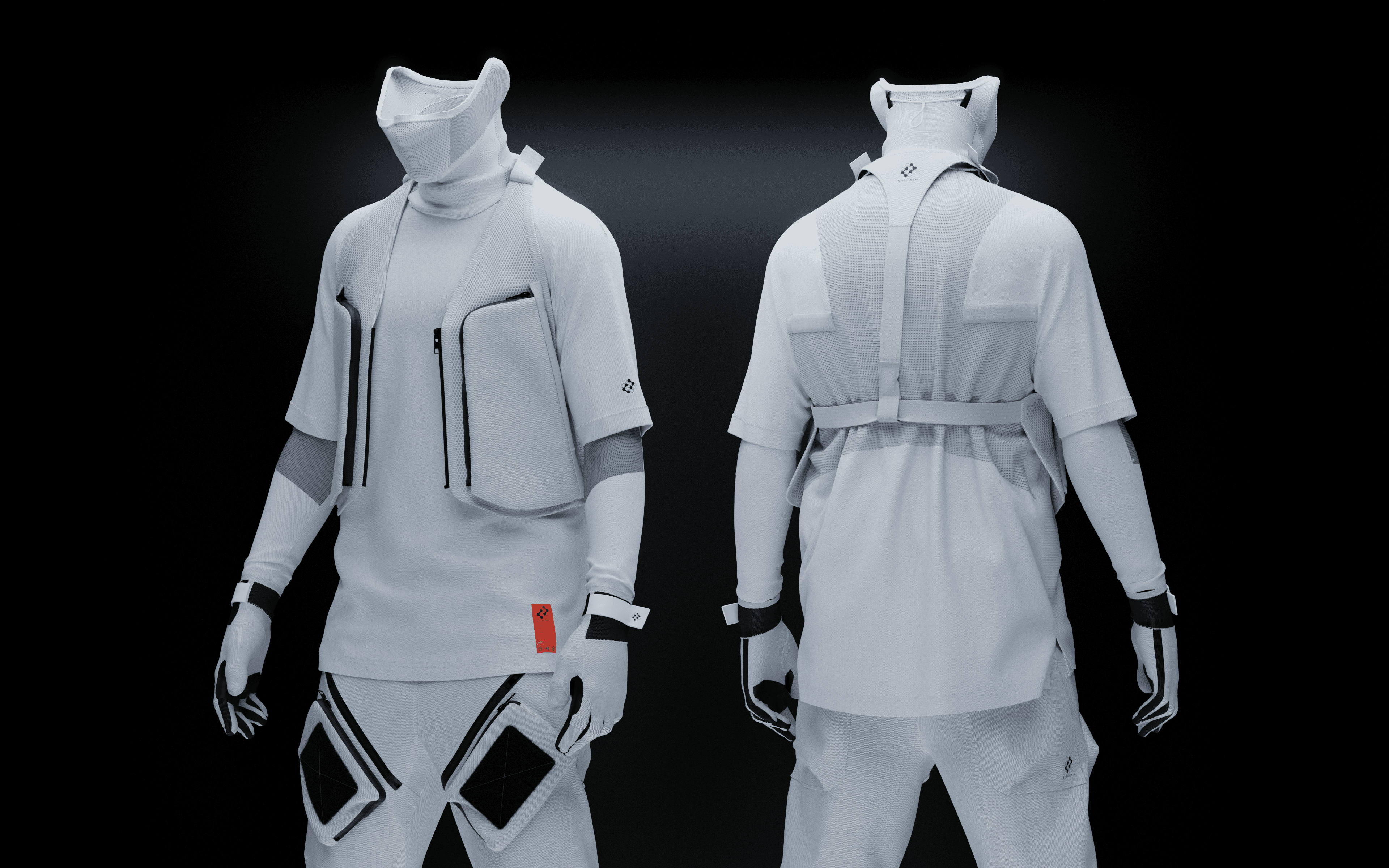
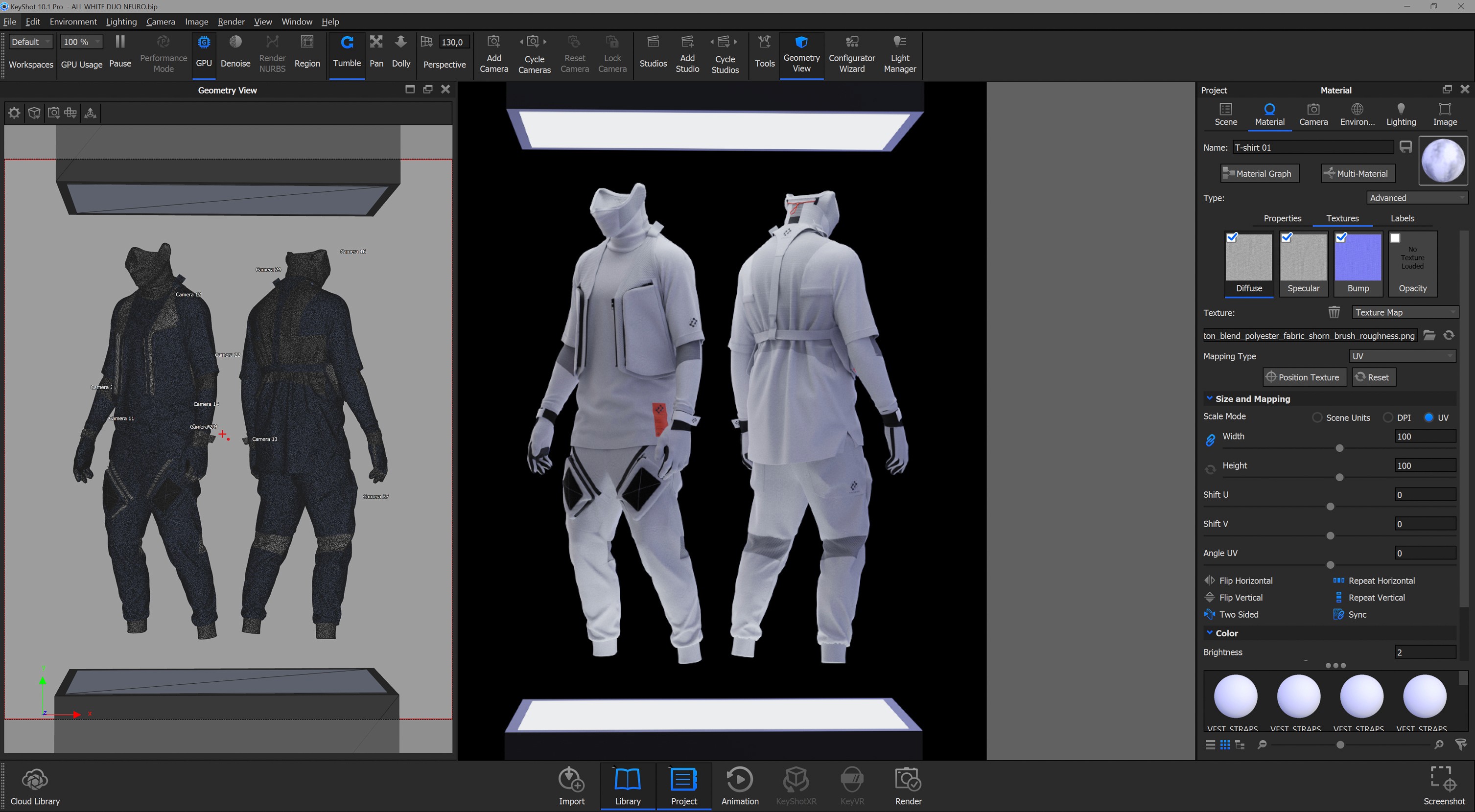
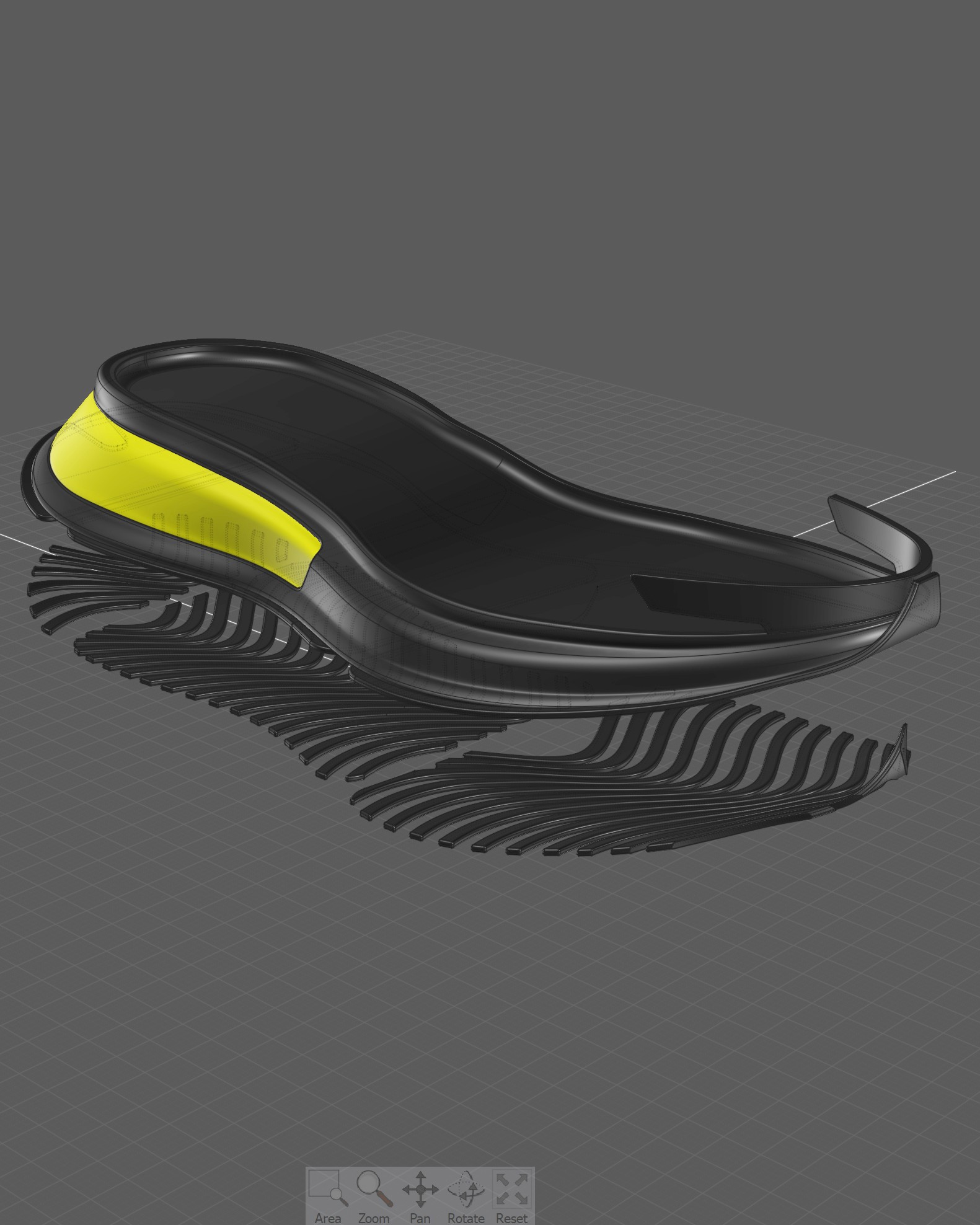
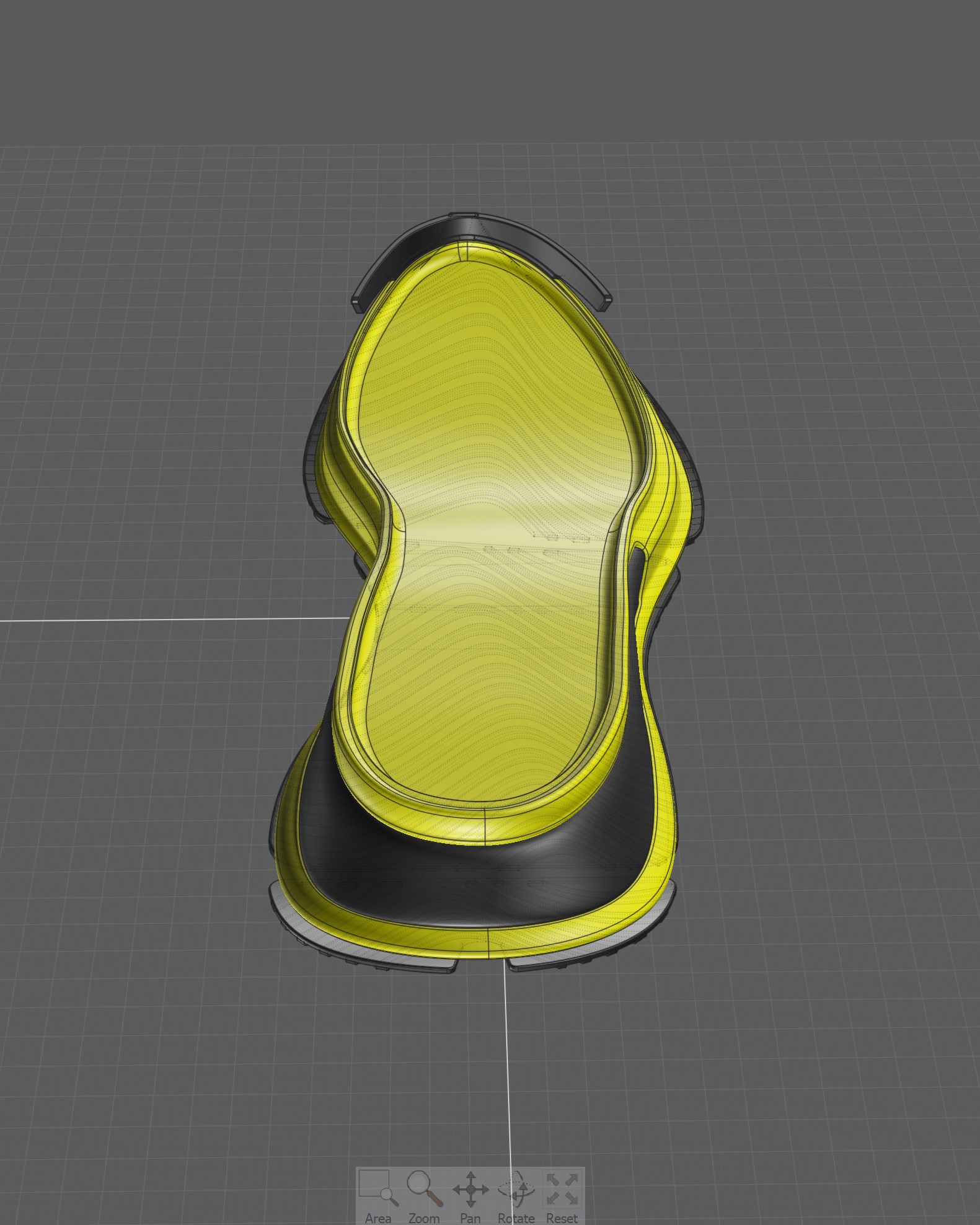
Every project starts with curiosity - A small idea that grows through testing, refining, and constant iteration. My process is built around working in 3D, where I can sketch, construct, and simulate directly in a digital space before anything physical exists.
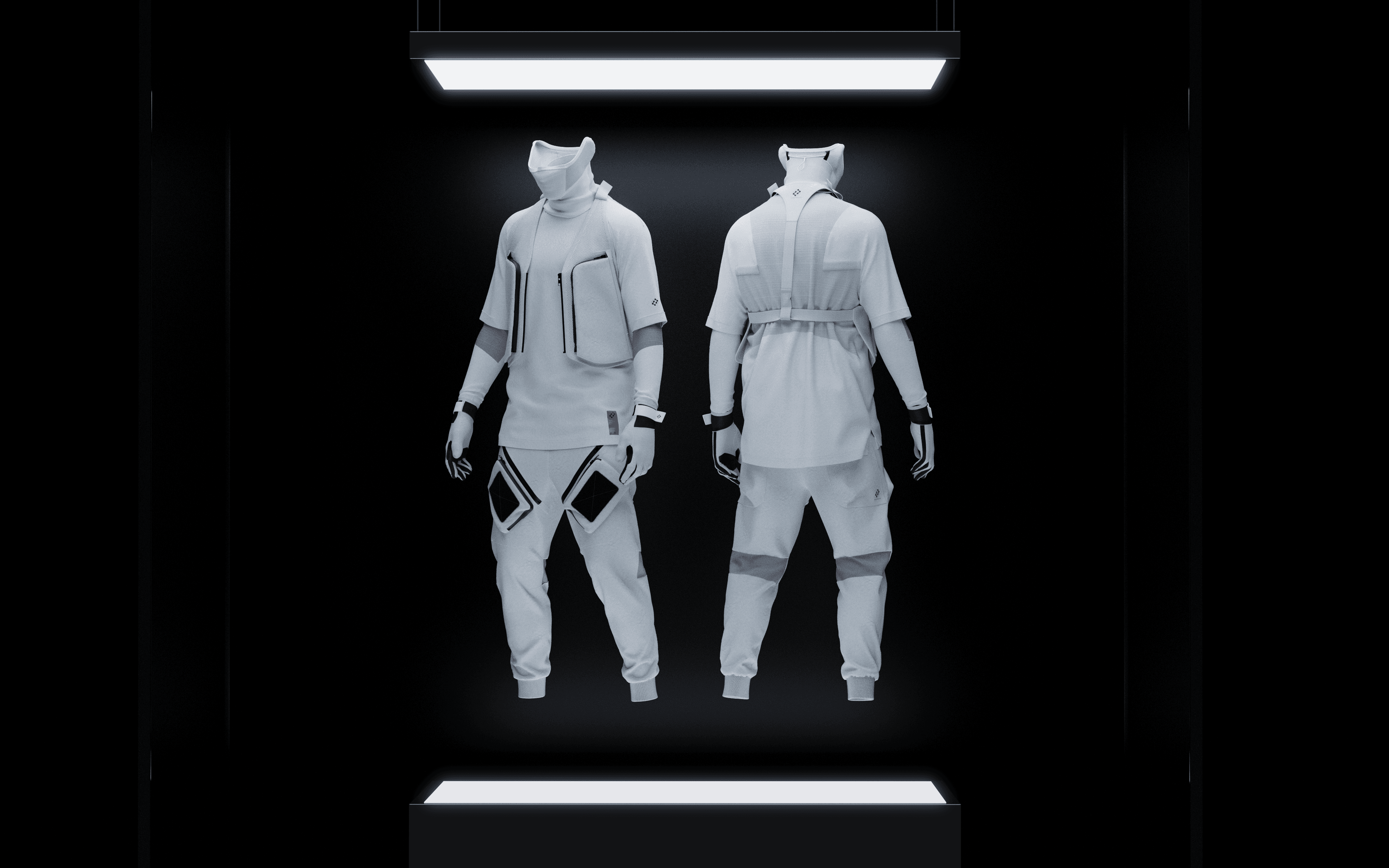
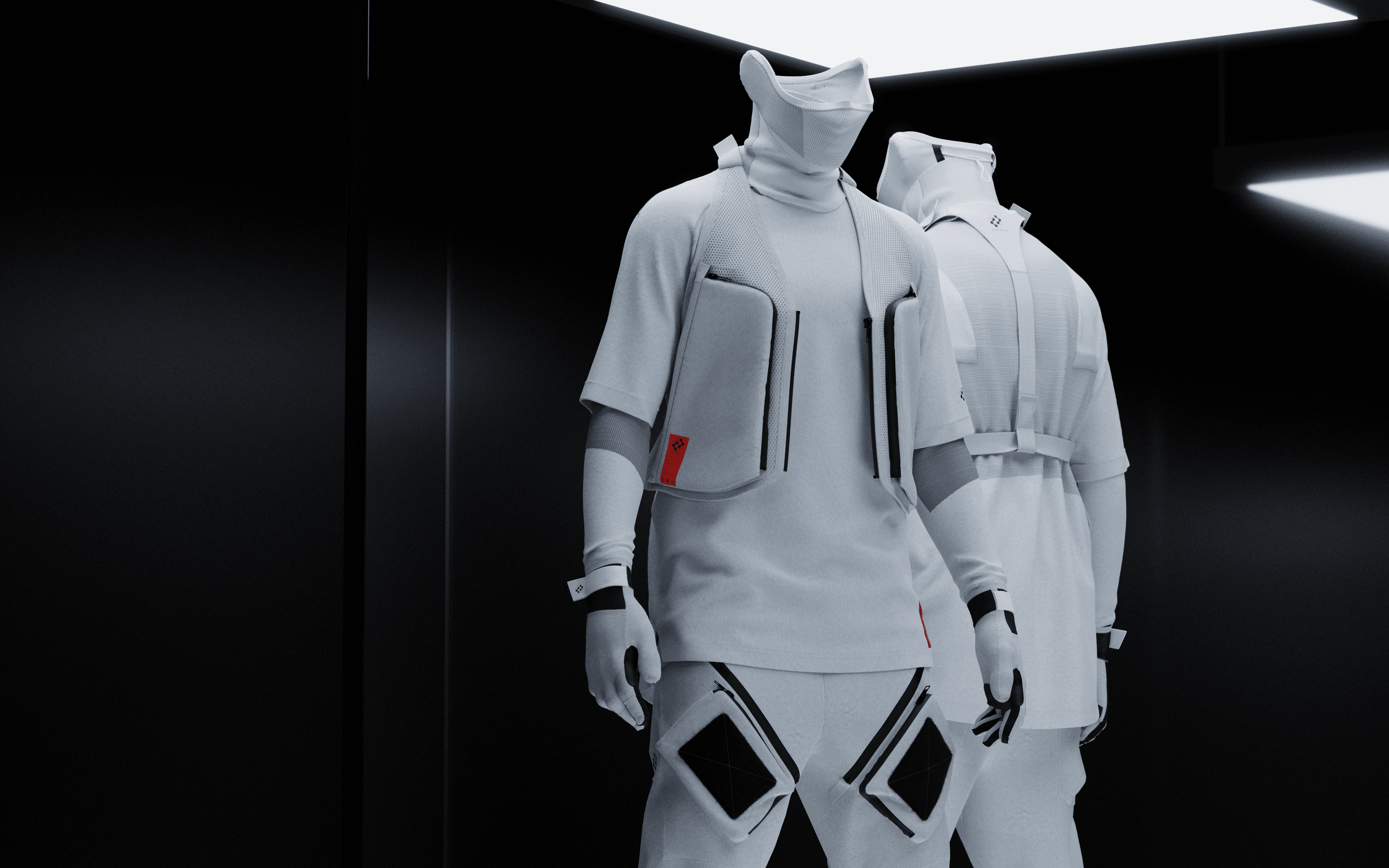
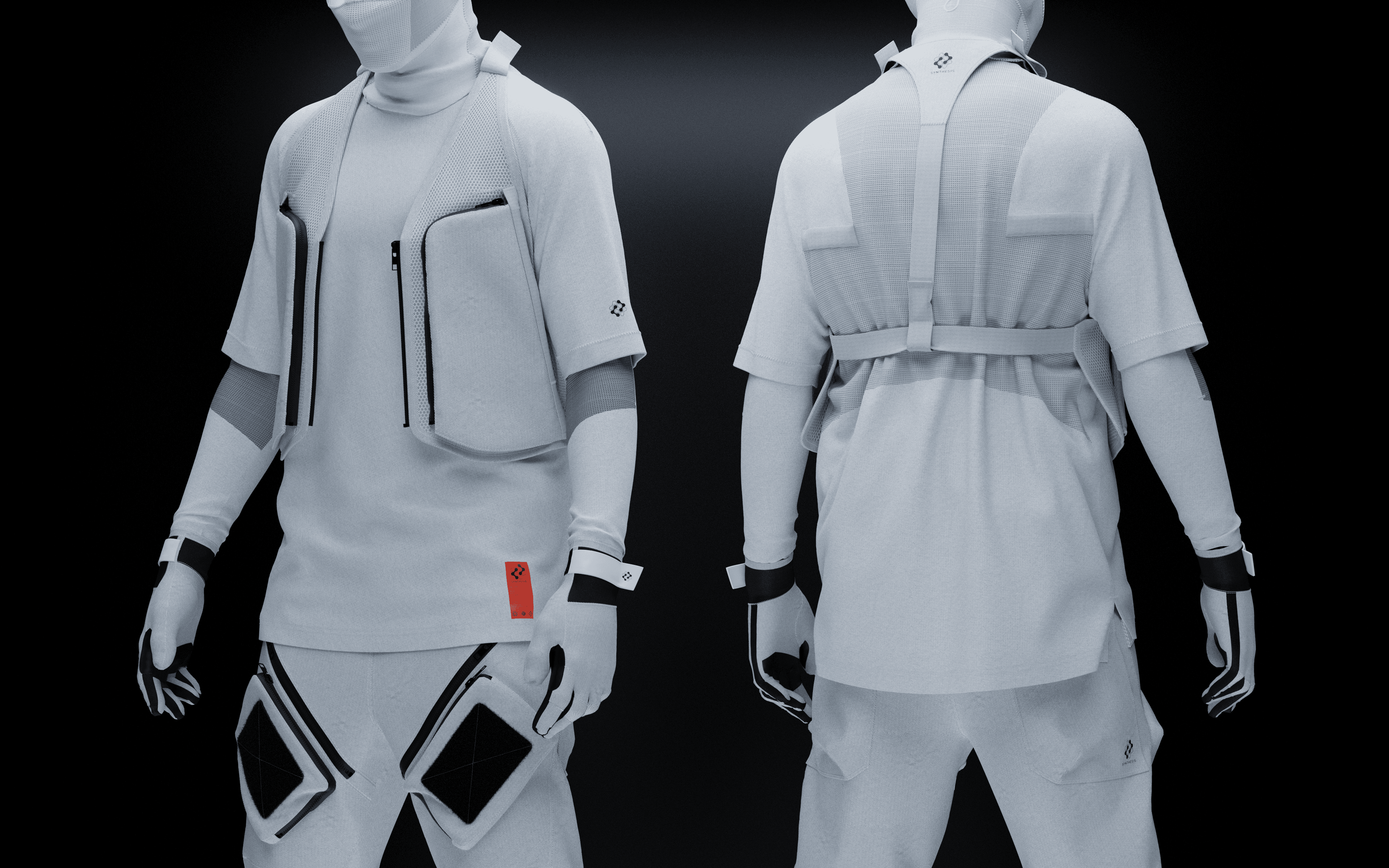
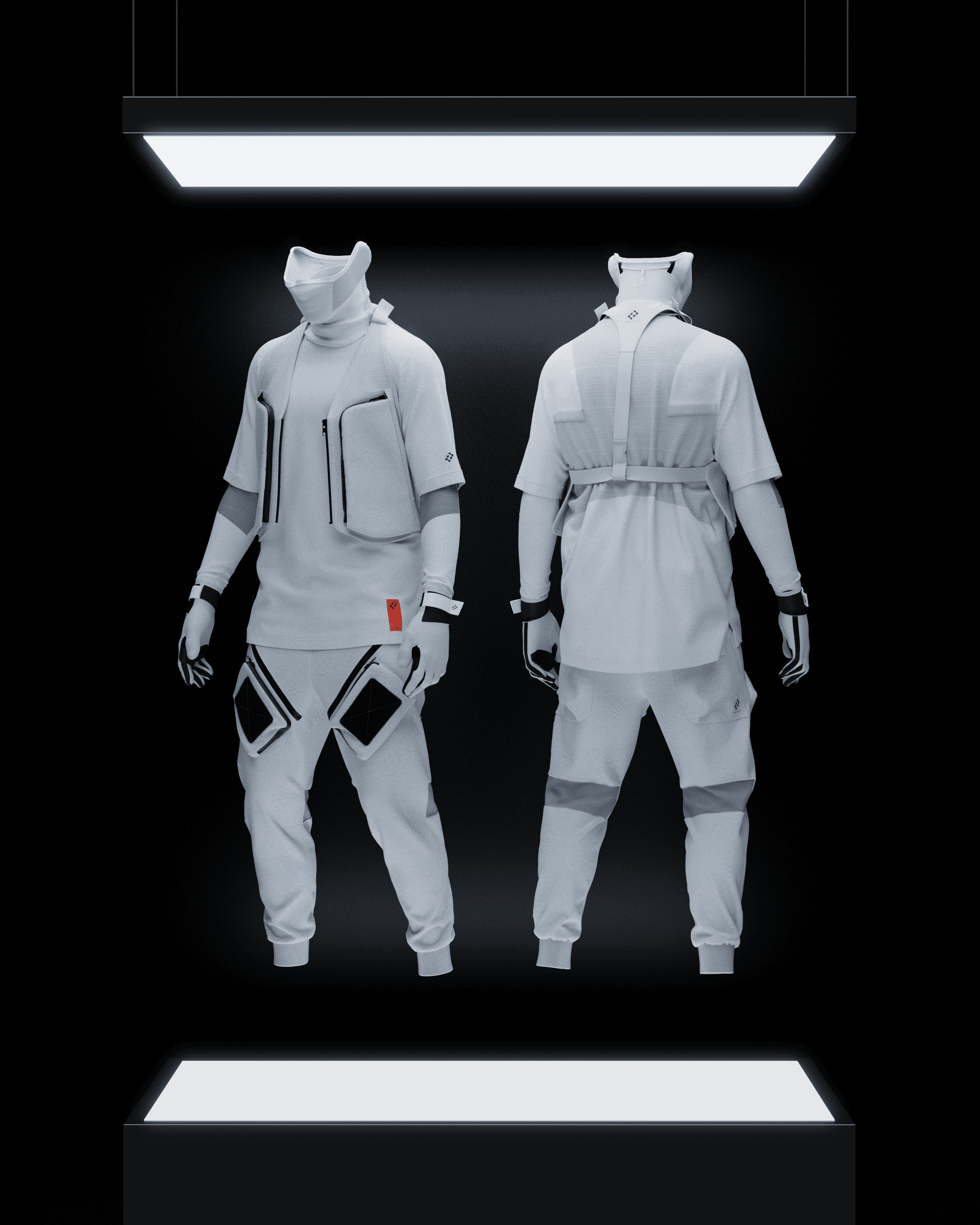
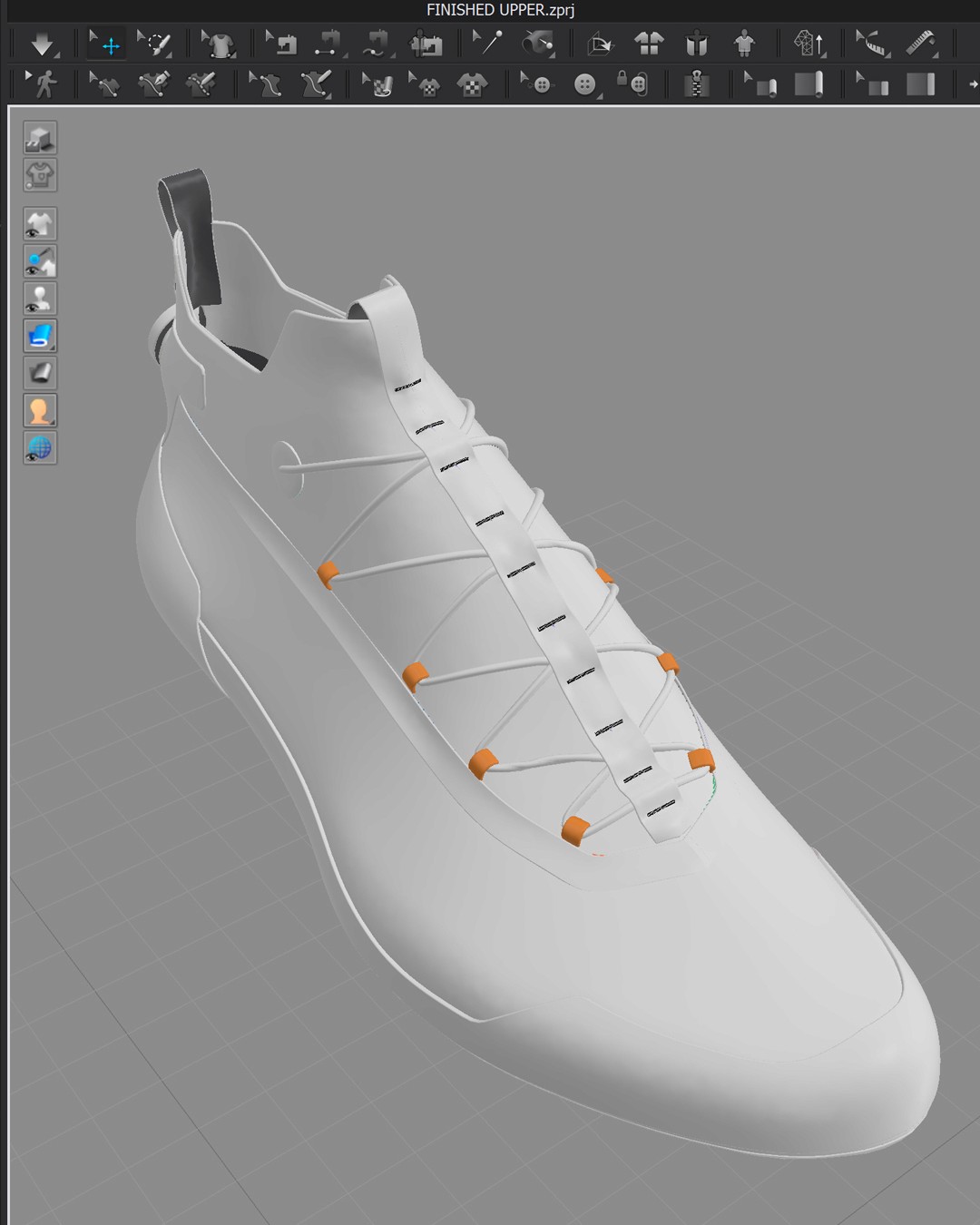
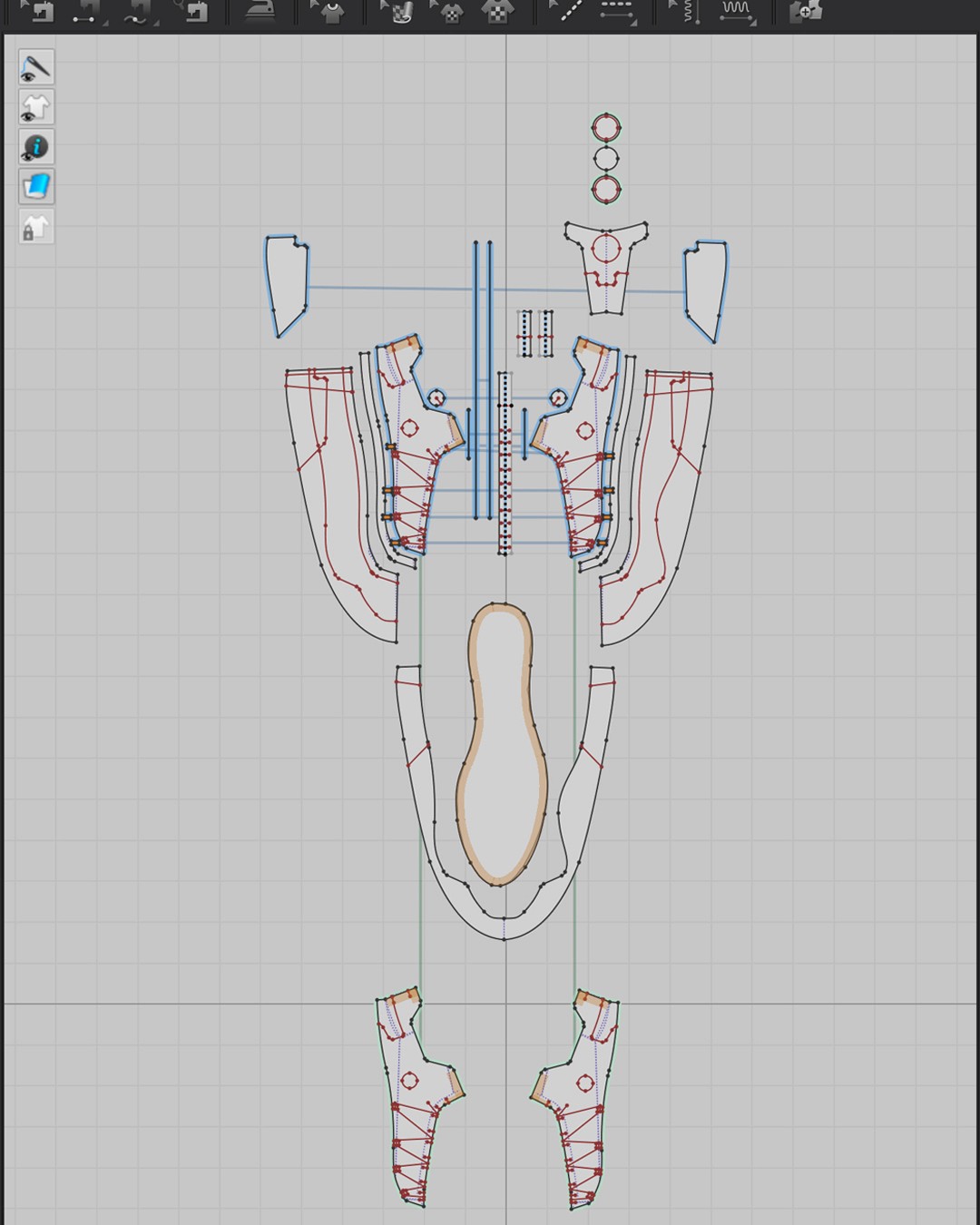
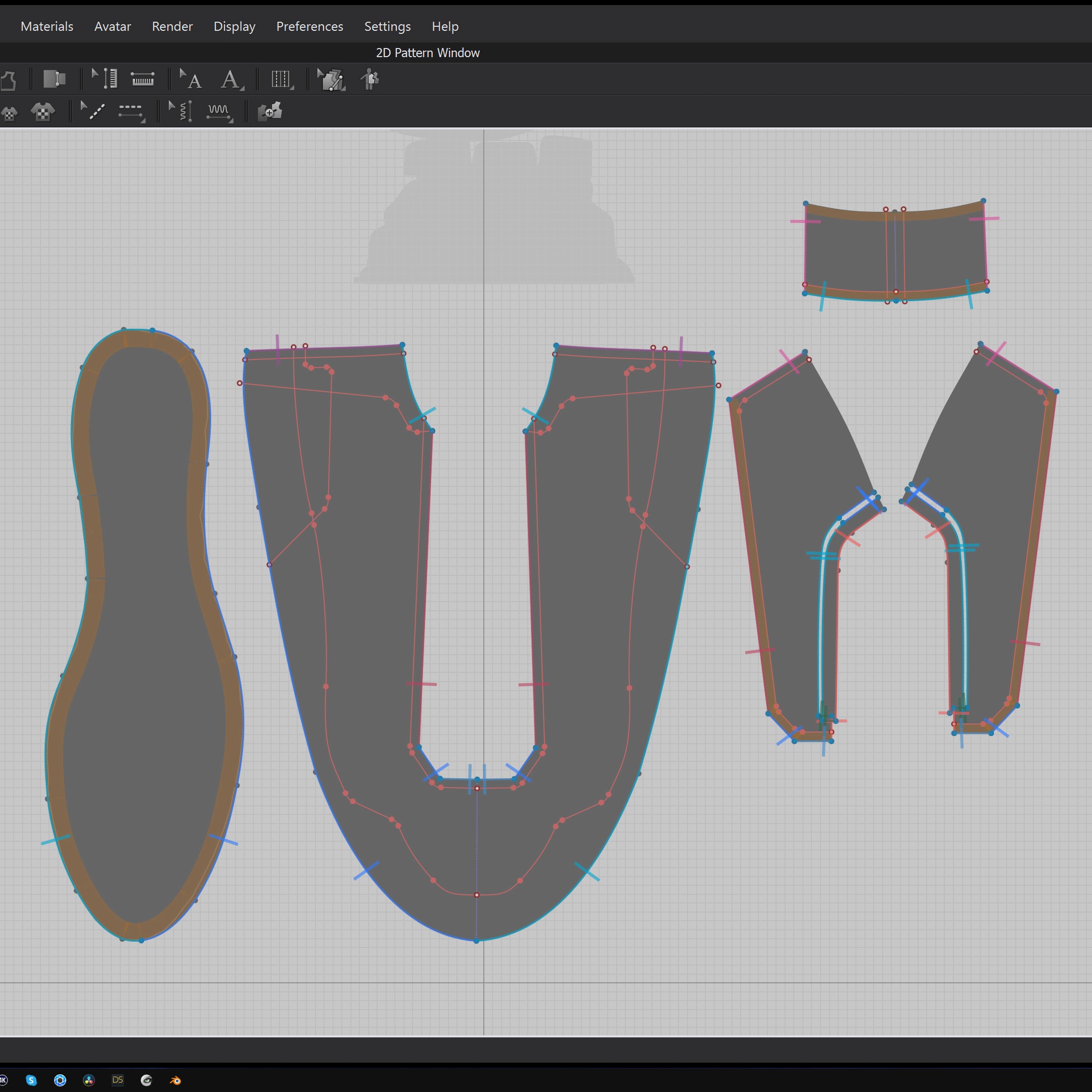
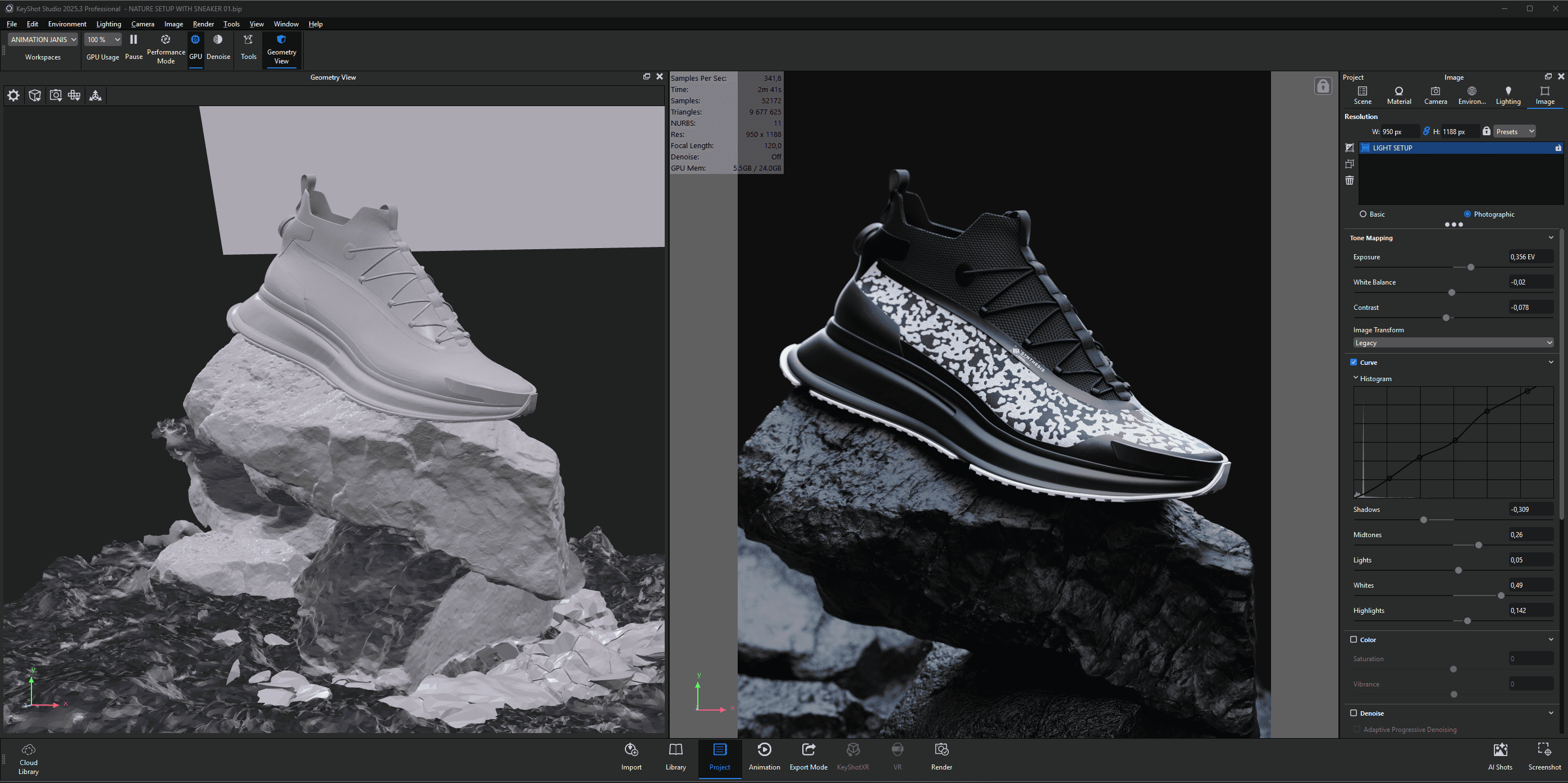
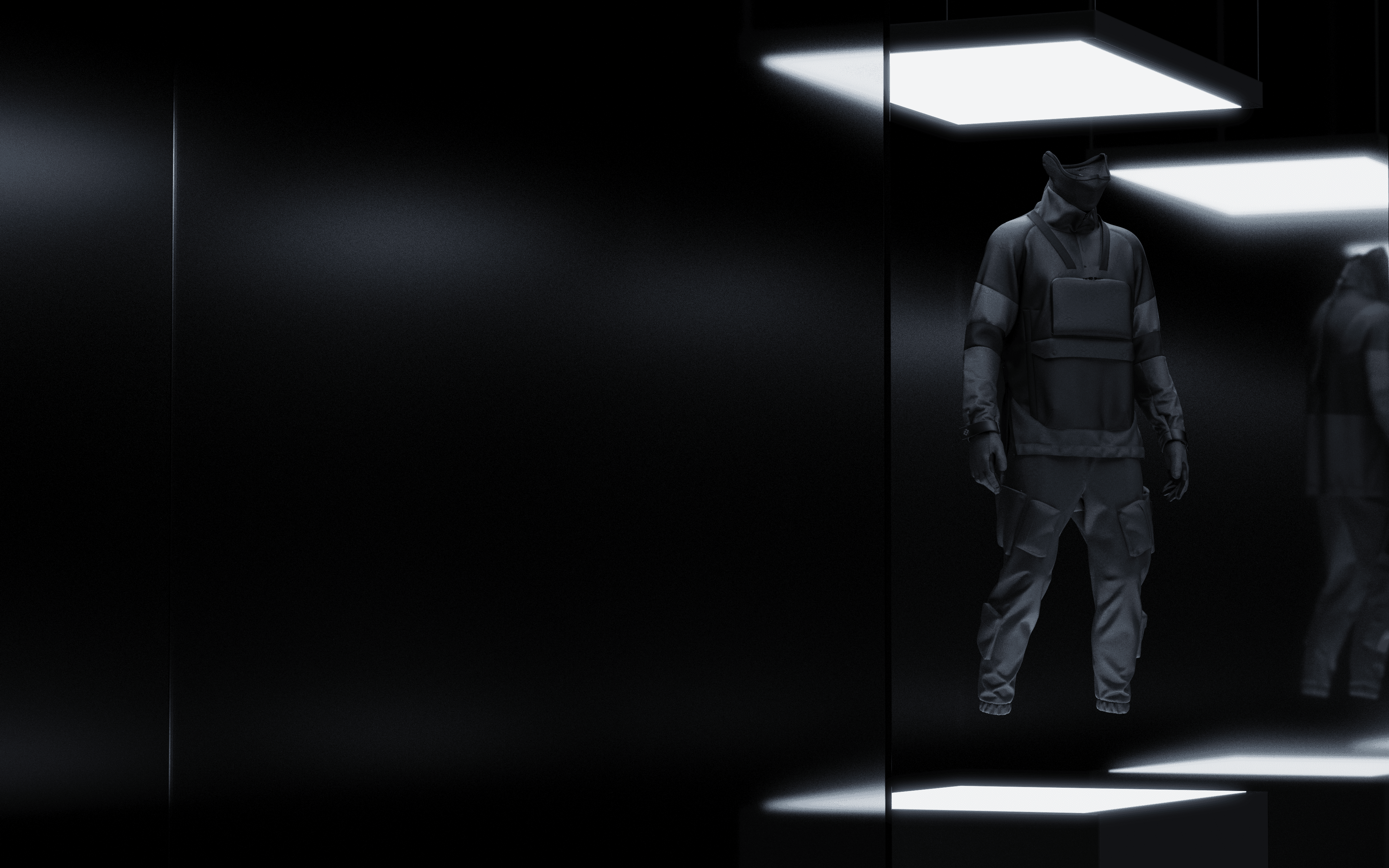
I use tools like CLO3D to build digital patterns and shape garments around human-like avatars, allowing me to study proportion, movement, and construction with precision. Once the form is right, I move into KeyShot, where I develop material libraries, color palettes, and lighting - translating technical design into atmosphere and emotion.
This workflow gives me complete creative control - from the first pattern line to the final rendered image. But more than anything, it allows me to see the design come alive, evolve, and tell its story long before it’s ever made.
Every project starts with curiosity - A small idea that grows through testing, refining, and constant iteration. My process is built around working in 3D, where I can sketch, construct, and simulate directly in a digital space before anything physical exists.
I use tools like CLO3D to build digital patterns and shape garments around human-like avatars, allowing me to study proportion, movement, and construction with precision. Once the form is right, I move into KeyShot, where I develop material libraries, color palettes, and lighting - translating technical design into atmosphere and emotion.
This workflow gives me complete creative control - from the first pattern line to the final rendered image. But more than anything, it allows me to see the design come alive, evolve, and tell its story long before it’s ever made.
+
+
+
+
+
+
10
+
+
+
+
10
+
JANIS SNE
+
+
+